A guide to the DASH diet
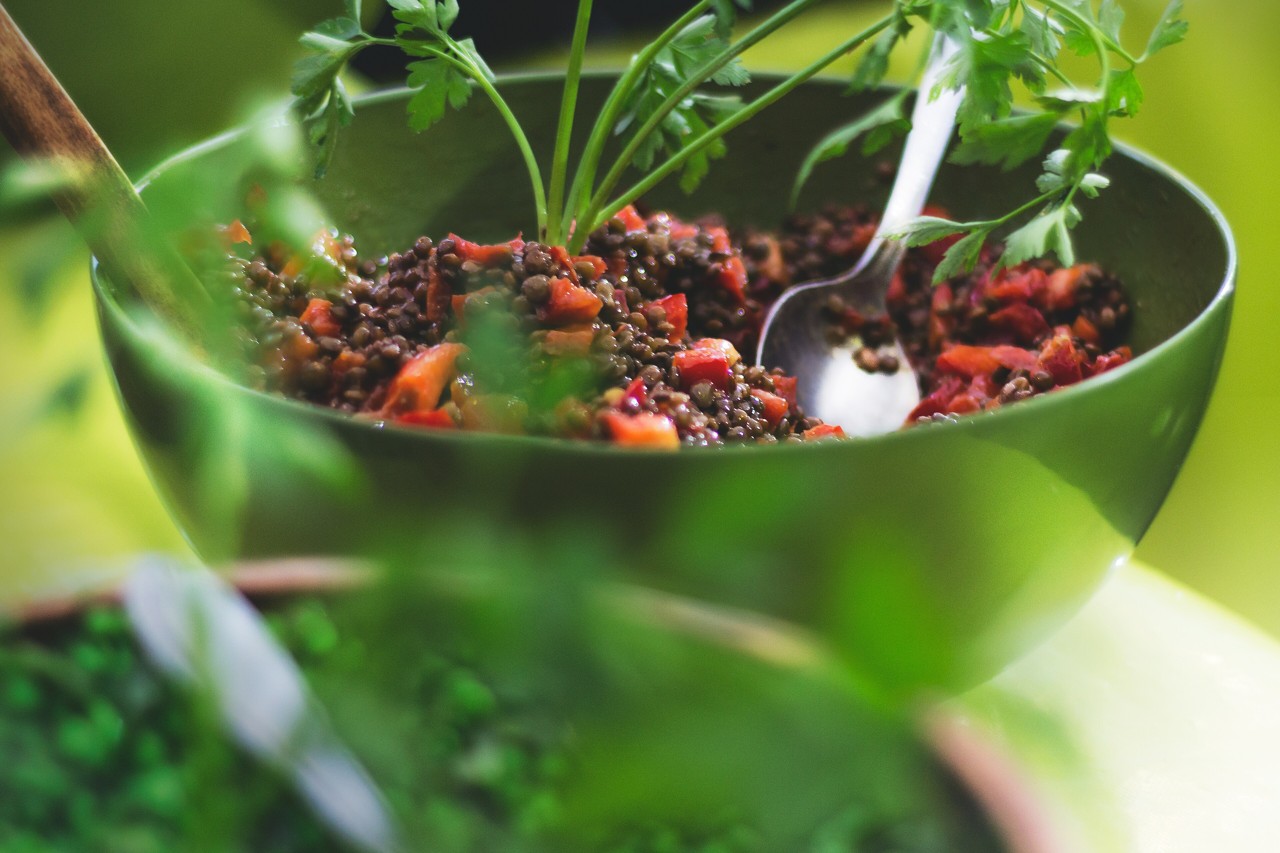
DASH is a flexible eating pattern designed to lower blood pressure using ordinary foods rather than a branded product or a restrictive list of forbidden ingredients. Its name stands for Dietary Approaches to Stop Hypertension. Vegetables, fruit, whole grains, low-fat dairy and varied lean proteins form the foundation, with less sodium, saturated fat and added sugar.
Why DASH has a long track record
Researchers developed DASH in the early 1990s to help people with hypertension eat familiar, appealing foods while improving their health. A major clinical trial found substantial falls in blood pressure; for some participants the change was comparable in size to the effect of a blood-pressure medicine. This does not mean that diet replaces prescribed medicine or that everyone will have the same response.
A June 2026 health review cited a US estimate that roughly 48% of American adults had high blood pressure, underlining the scale of the problem there. That is US context, not an Australian prevalence estimate. High blood pressure can increase the risk of stroke, heart attack and kidney failure, making sustained management important.
Research has also linked greater adherence to DASH with lower risks of heart disease, stroke, heart failure, type 2 diabetes, colorectal cancer and cognitive decline. Those findings should not be read as a guarantee that a particular person will avoid these conditions. DASH was not created as a weight-loss diet, although its emphasis on food quality and appropriate portions can help some people manage weight.
How it supports blood-pressure control
Reducing sodium helps reduce excess fluid in the circulation and pressure on blood-vessel walls. Standard US DASH guidance uses a limit of 2,300 milligrams of sodium a day, with a lower-sodium option of 1,500 milligrams. The June 2026 review contrasted this with average US intake of about 3,300 milligrams. These figures describe that eating plan and US context, not a personal prescription.
For Australian readers, local heart-health advice recommends no more than about 2,000 milligrams of sodium, equivalent to 5 grams of salt, per day for adults. Sodium and salt are not the same weight. Much of the sodium in a typical diet comes from packaged and processed foods, so reducing table salt is only part of the task. Compare sodium per 100 grams on labels.
Vegetables and fruit provide potassium and magnesium, minerals that support blood-vessel function and help counter the blood-pressure effects of sodium. Low-fat dairy supplies calcium, another nutrient involved in healthy blood-vessel function. DASH works through this combination of food choices, rather than through a single miracle ingredient.
Alcohol can raise blood pressure. The US review described sex-specific daily limits used in American guidance; those should not be copied as Australian drinking advice. In Australia, healthy adults are advised to have no more than 10 standard drinks a week and no more than 4 on any one day, with less alcohol meaning less risk. An Australian standard drink contains 10 grams of alcohol. People under 18 should not drink; people who are pregnant or planning pregnancy should not drink, and not drinking is safest when breastfeeding. These are upper risk-reduction limits, not targets or a reason to start drinking.
Foods to emphasise and foods to limit
Build meals around vegetables, fruit, mostly whole grains, lean protein foods, low-fat dairy or suitable calcium-fortified alternatives, and moderate amounts of healthier fats. DASH does not require removing every major food group. Its flexibility allows choices to fit different tastes, budgets and cultural food traditions.
Limit red and processed meats, high-saturated-fat full-fat dairy products, coconut and palm oils, sugary drinks and alcohol. A lower-salt diet can seem bland at first, but preferences often adapt over a few weeks. Herbs, spices, garlic, ginger, citrus and vinegar can supply flavour without relying on added salt.
An example at 2,000 calories a day
The following is an example, not a recommendation that everyone should eat 2,000 calories. Energy needs and serving numbers vary with age, activity, health and personal goals. US DASH serving definitions can differ from Australian standard serves, so read both the number and the portion size.
Grains: 6 to 8 servings a day, with most choices whole grain. Examples of one serving are a slice of bread, about 28 grams of dry cereal, or half a cup of cooked rice, grain or pasta. Cereal portions can vary, so check the label.
Vegetables: 4 to 5 servings a day. One serving can be a cup of raw leafy vegetables or half a cup of cut-up raw or cooked vegetables. Fruit: 4 to 5 servings a day, such as one medium fruit or half a cup of fresh, frozen or canned fruit.
Low-fat or fat-free dairy: 2 to 3 servings a day. Examples are a cup of milk or yogurt, or about 42 grams of cheese. Suitable calcium-fortified nondairy alternatives can fit individual needs; check their nutrient content rather than assuming every plant-based product is equivalent.
Lean meat, poultry and fish: the original DASH framework uses up to six small servings a day at this energy level, with one serving defined as about 28 grams of cooked meat, poultry or fish; one egg also counts as one small serving in that framework. Six such meat servings total about 170 grams, not six large meal portions. Tofu and other plant proteins can be included in a tailored plan.
Fats and oils: 2 to 3 servings a day, such as a teaspoon of vegetable oil or a tablespoon of regular mayonnaise. Fat content changes how a dressing is counted. Nuts, seeds and legumes: 4 to 5 servings a week, with examples including about 42 grams of nuts, two tablespoons of seeds or nut butter, or half a cup of cooked beans or lentils.
Sweets and added sugars: no more than 5 servings a week in this example. A serving can be a tablespoon of sugar, syrup or honey, or half a cup of sorbet. This is a limit, not a requirement to add sweets.
Make the plan fit your health needs
DASH can be practical for many people because it uses accessible foods, does not require a paid app or book, and can be adapted to familiar meals. People with kidney disease, restrictions on potassium or other nutrients, or medicines affecting potassium need individual advice before making large changes or using potassium-based salt substitutes. Continue prescribed blood-pressure treatment and ask your GP or dietitian how to adapt food choices and monitor progress.