Waste heat from AI data centres: the way Denmark is showing
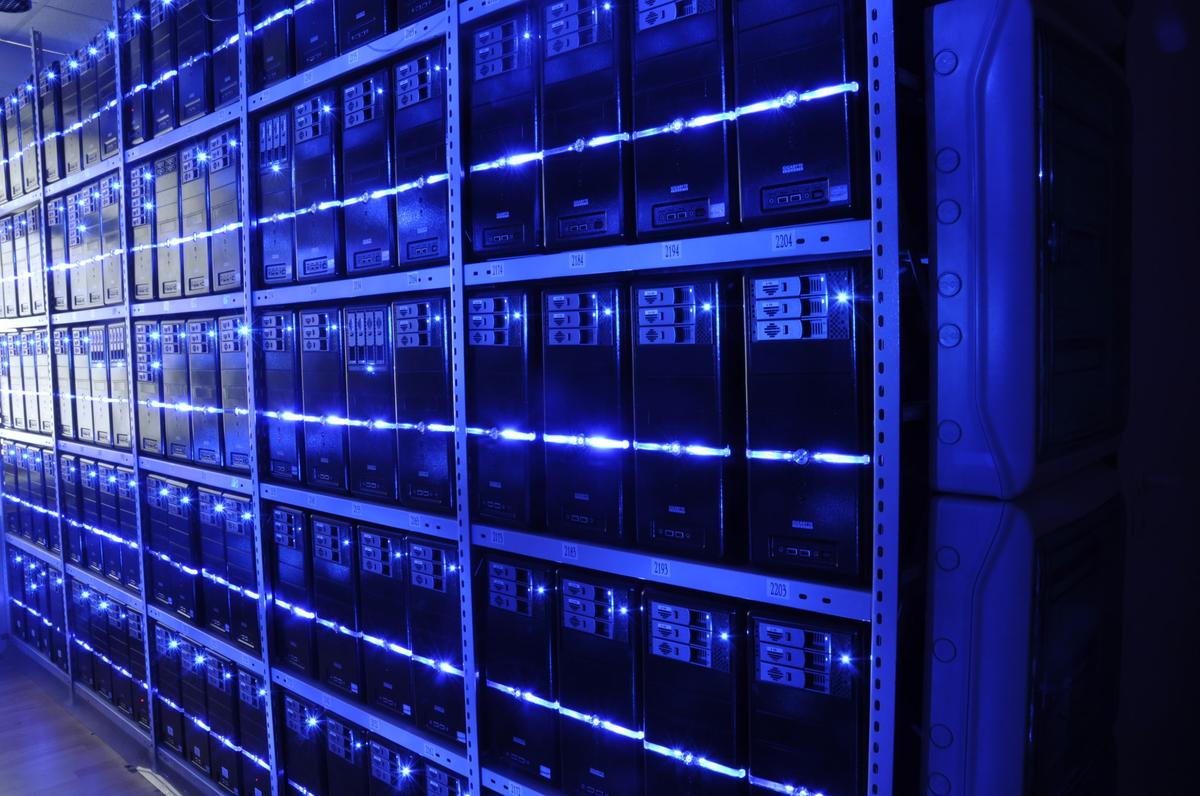
As the rapid growth of AI data centres adds to the world's energy crunch, engineers in Denmark have found a way to use the enormous "waste heat" these centres otherwise lose to the open air.
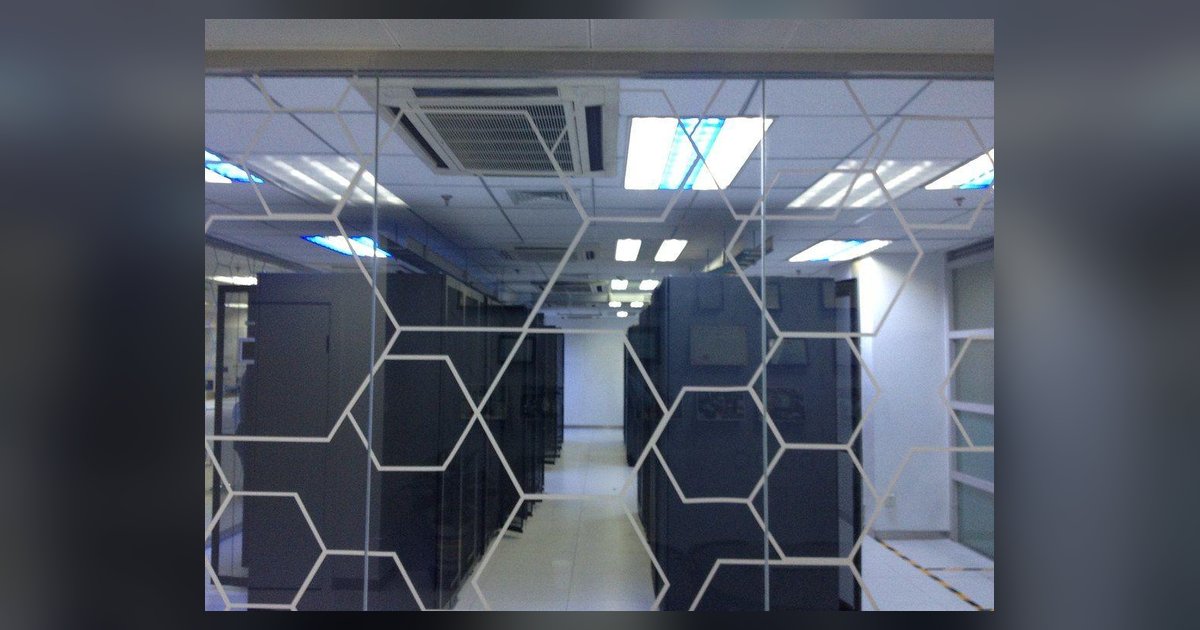
More than 12,500 data centres operate worldwide, and new ones come online every day, straining global energy infrastructure. Beyond using hundreds of billions of litres of water, they place huge demand on electricity grids. According to the International Energy Agency, data centres used 485 terawatt-hours of electricity in 2024 - 1.5 percent of world energy supply, equal to Germany's entire electricity production. By 2030 the share is expected to double to 3 percent, with AI's role rising exponentially.
The spread of data centres is also causing public anger: in the Netherlands, police on Friday arrested people protesting against a new Microsoft data centre near Amsterdam.
This May, a supercomputer called Bitten came into service at the University of Southern Denmark in Sonderborg, the country's main AI resource for academic research. Like AI data centres everywhere, its processors generate intense heat around the clock.
Instead of wasting that heat, 100 percent of it is now recovered through advanced liquid cooling technology designed by Danish engineering firm Danfoss - an alternative to traditional air conditioning and fans. Coolant passes directly over the hot processor chips, absorbs the waste heat, and feeds it straight into Sonderborg's district heating network, helping keep 75,000 residents warm.
Kristian Strand of Danfoss Climate Solutions said the hot water coming out of a data centre can heat homes and serve industrial processes. Danfoss calculates that the heat wasted in Europe in a single year could power all of Paris for 48 years; about two-thirds of the world's energy is lost as excess heat. The United States has the most data centres - about 4,000, using 5 percent of its electricity - but recovers the least heat.
"Data centres should not be built where land is cheap, but where their heat can be used," said Jan Rosenow, professor of energy and climate policy at Oxford University. Scandinavia leads in capturing waste heat: Meta's data centre in Odense, Denmark, recovers about 100 GWh of heat a year, enough for 6,900 homes, and Stockholm has fed data centre heat into its network since 2014.
Danfoss engineers recently removed two carbon-emitting gas boilers at Sonderborg hospital and installed a heat pump system capturing waste heat from equipment such as MRI scanners and from the climate control of operating theatres and wards. The hospital is energy self-sufficient for nine months a year and saves heavily on heating costs. "The project pays for itself within two years; we can spend more on patient care and new equipment," said the hospital's head of technical services, Lasse Bo Madsen.