Research studies monitoring
A preprint by Kushal Chakrabarti, posted August 11, 2026, examines why repository instruction files grow without limit: instructions that have lost their rationale are hard to delete safely. The work analyses 247,694 instruction lifetimes across 1,867 repositories and experiments with rationale comments. The practical lesson is to version agent instructions like code and record the 'why'. Metrics and causal interpretation are author-reported without independent reproduction.
Yiqi Wang, Zihao Yan, Jiaqi Zhang, Zhangkai Wu, Mingkai Zheng, Zequn Sun, Yanming Zhu and Taotao Cai address the problem that summaries can hide private, poisoned, revoked or untrusted sources. Their contribution is a typed provenance graph with permission filtering, path-trust ranking and a risk action gate, making provenance a run-time authorisation signal. The method was tested on 2,700 synthetic tasks across three domains, with no production reproduction.
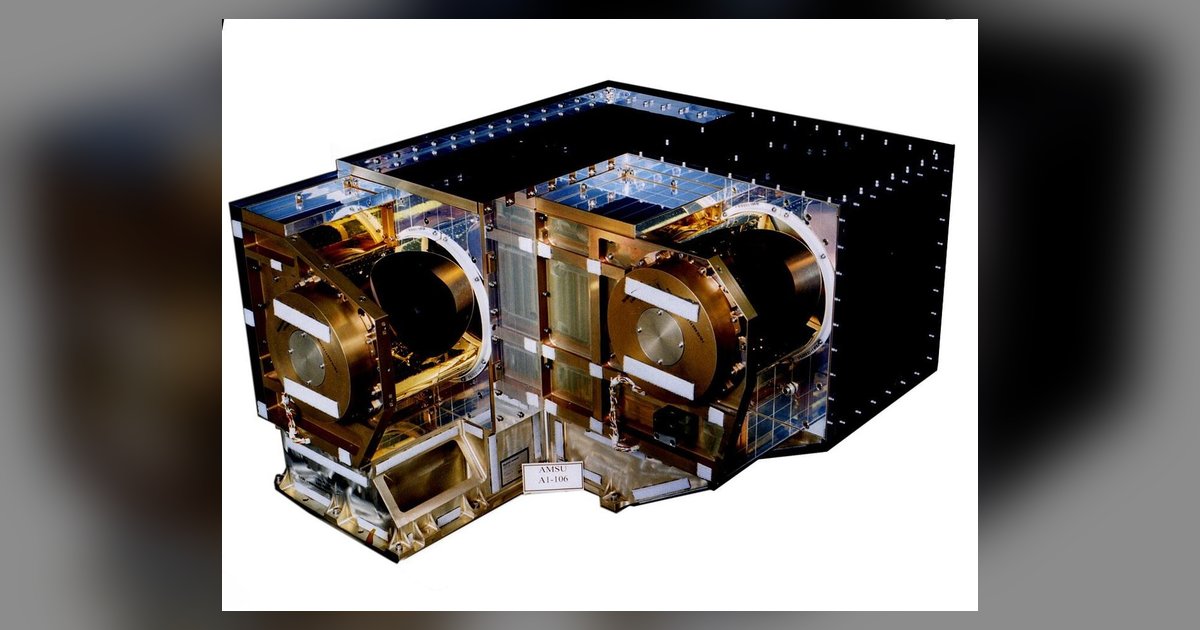
Xin Xiao, Jiang Zhong, Junnan Zhu, Yingchao Feng, Peijin Wang, Yidan Zhang and Kaiwen Wei tackle Earth-observation workflows, which must follow sensor, product, spatial, temporal and parameter constraints. Their contribution combines graph, experience and procedure memories with safety-gated distillation that needs no backbone retraining, aimed at repeatable satellite-imagery analysis. It is benchmark-only, with no agency or satellite deployment and author-reported performance.
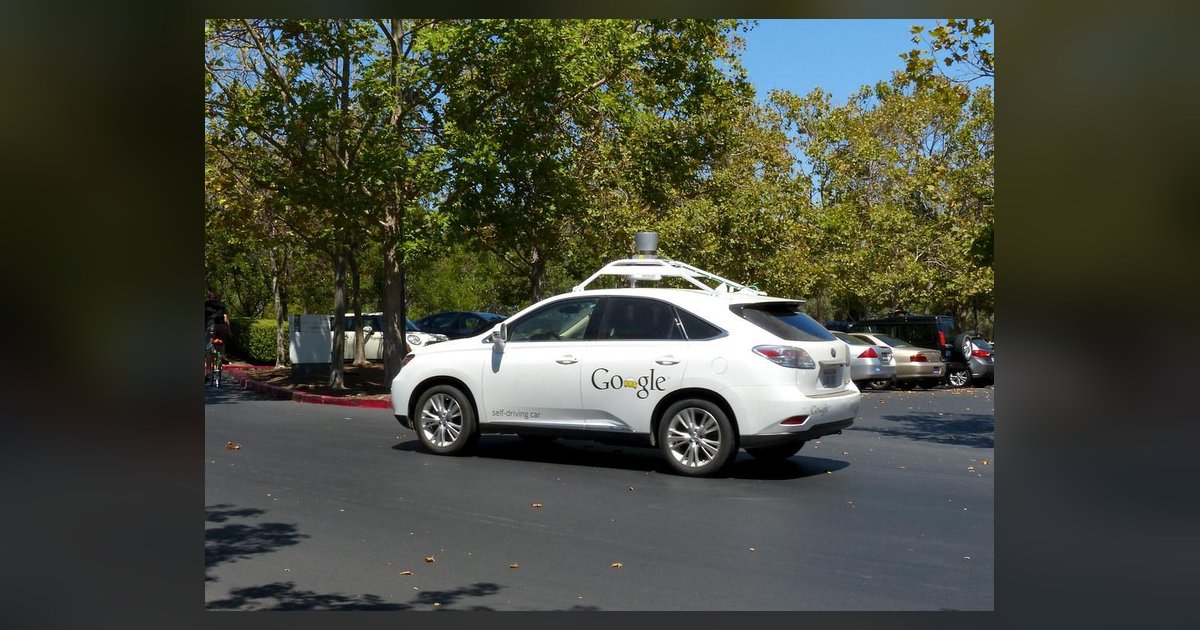
The XPeng Foundation Model Team addresses verbose natural-language reasoning being too slow and not optimisable for real-time driving control. Their contribution uses two to six executable reasoning tokens to condition trajectory queries, enabling efficient vision-language-action planning. The work is company-authored, unreproduced and dataset-specific, with no safety case or on-road evidence.