Anuradhapura Sacred City development gazette: heritage concerns and the government's explanations
The new Anuradhapura Sacred Area Development Plan gazette, issued by the National Physical Planning Department (NPPD) on February 27, has sparked wide debate about the historic Buddhist city's religious significance and some residents' land, homes and livelihoods.
The sacred area will expand from about 28 to 38 square kilometres, with investment of up to Rs 8.8 billion. NPPD director general Ruchira Vithana said the plan was shown to the former Atamasthanadhipathi, Most Venerable Pallegama Hemarathana Nayaka Thera, and his consent obtained; its contents were unknown to the public until recently.
Gunarathna Wikramathilaka, media secretary to the Buddha Sasana, Religious and Cultural Affairs minister, said the plan was prepared jointly with the Atamasthana chief prelate, the Maha Sangha, the district secretary, the Urban Development Authority (UDA), the planning and archaeology departments and the Central Cultural Fund. Indian prime minister Narendra Modi, who visited in 2025, expressed willingness to support it; work began on government funds, with no Indian assistance so far.
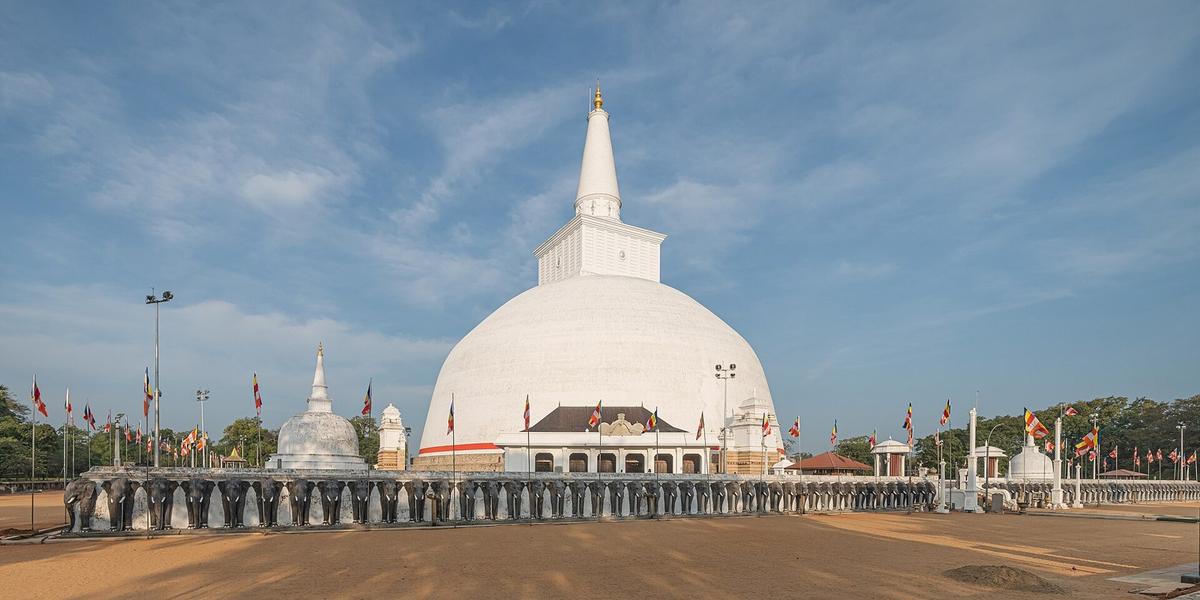
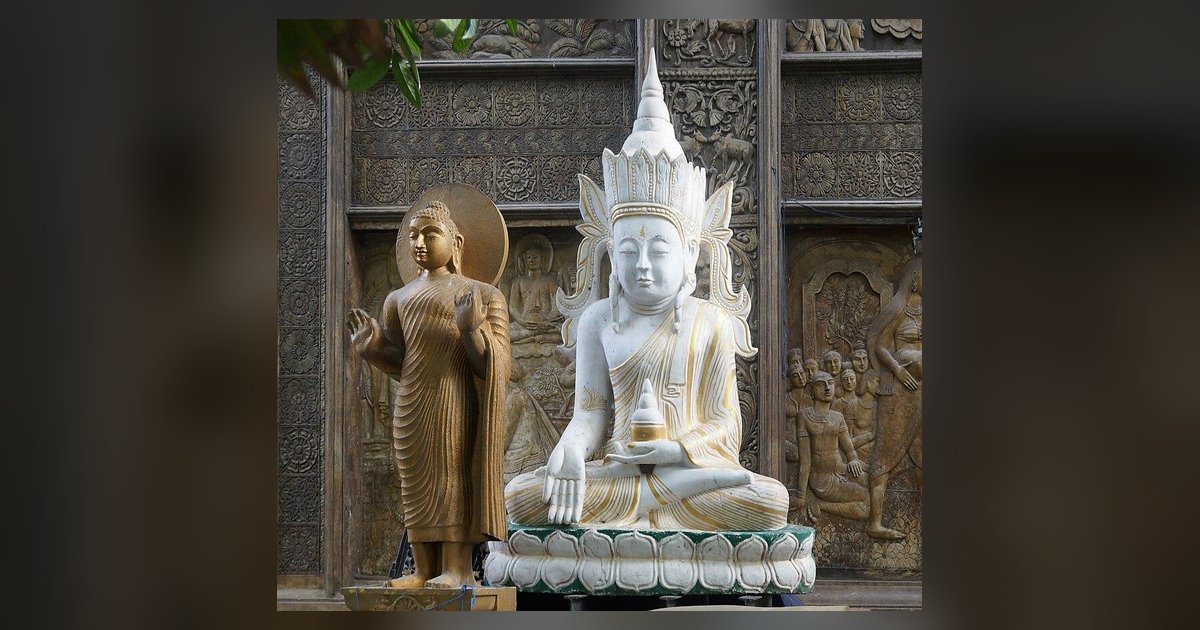
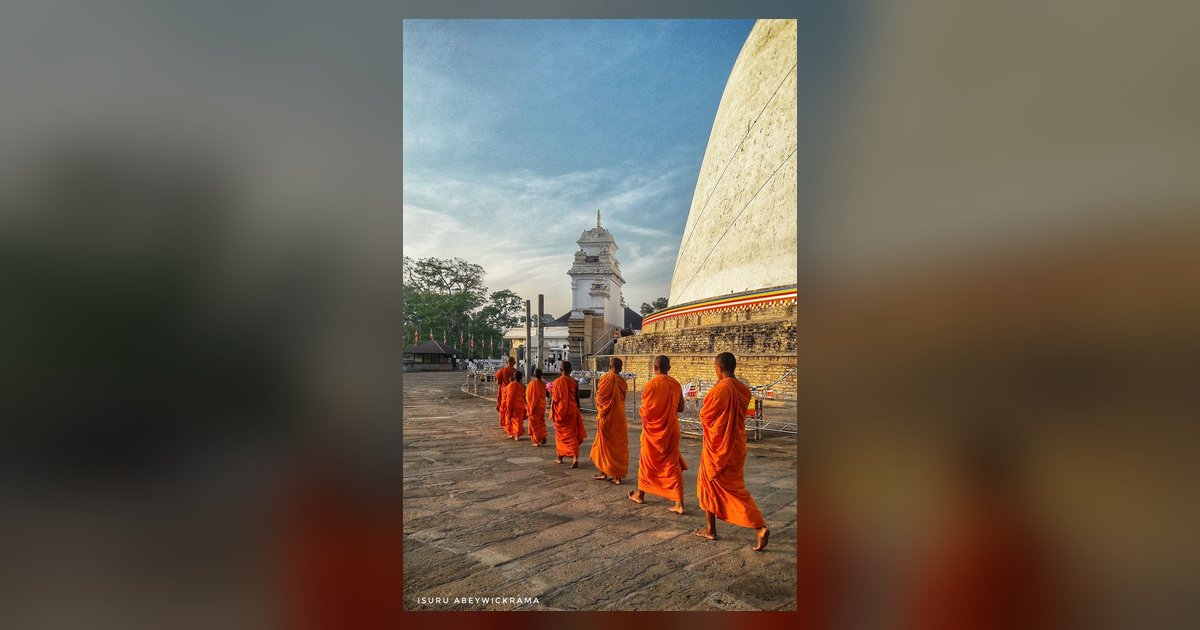
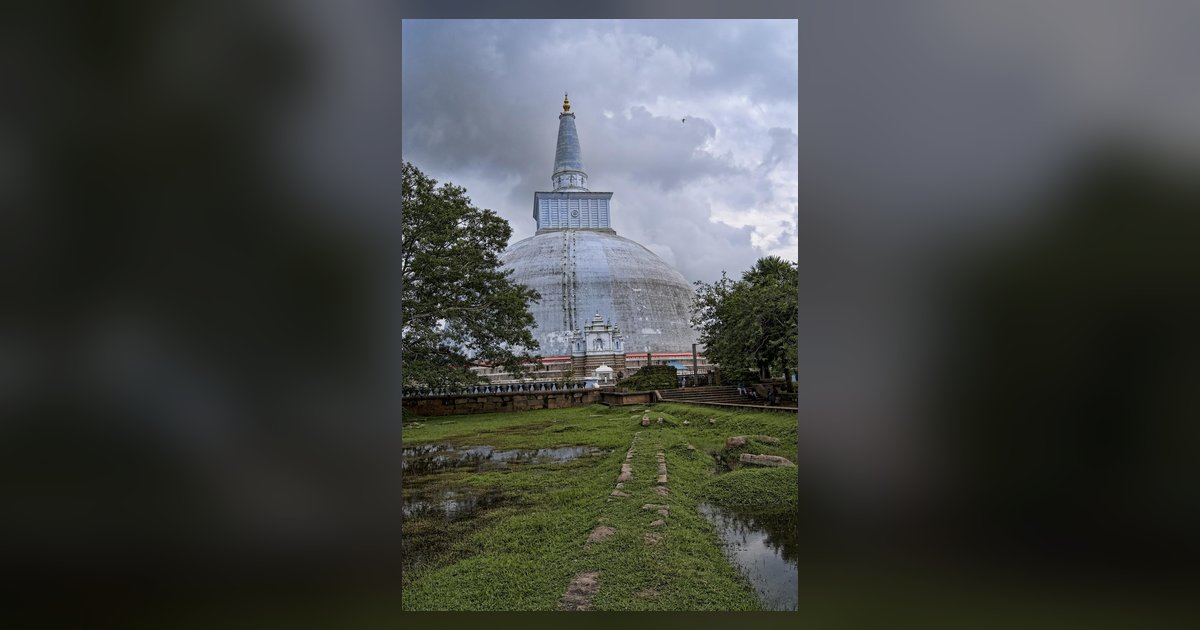
Some fear the plan opens the way for other religions' places of worship in the sacred area. A centre of Buddhist worship for over 2,200 years, Anuradhapura holds the Atamasthana - Jaya Sri Maha Bodhi, Ruwanweliseya, Thuparamaya, Abhayagiri, Jethavanaramaya, Mirisavetiya, Lankaramaya and Lowamahapaya - plus Isurumuniya and the Samadhi Buddha statue; UNESCO declared it a World Heritage Site in 1982.
A resident said a signboard identifying a 'Kali Kovil' has appeared on the road from Thuparamaya to Lankaramaya, within the Atamasthana area, and there is concern another structure will become a 'Rama Kovil'. Wikramathilaka replied that archaeology has revealed only remains of a 10th-century Kali Kovil, and the Archaeology Ordinance permits no new religious structure.
Vithana said the gazette has been misinterpreted: it proposes no new temples, kovils or flower altars and will not stop devotees visiting sacred sites. A security fence stands about 500 metres from Ruwanweli Maha Seya to protect the site and keep out wild animals, with a tree bio-fence planned. Complaints have been lodged with the CID over false claims that could create religious discord.
UDA director general Engineer Damith Dissanayake assured no sacred site would be harmed. On October 30 the president appointed a 32-member advisory council co-chaired by Most Venerable Ethalawetunuwewe Gnanathilaka Thera and presidential official Prabath Chandrakeerthi; a joint proposal went to the Indian High Commission on October 1, and 45 projects will run in batches of ten.
Most Venerable Thrikunamale Ananda Mahanayaka Thera said the public need not fear as the Atamasthana prelates are protecting the Buddha Sasana. Most Venerable Pallewewa Dharmakeerthi Thera of the Malwatte Chapter called the expansion a positive step bringing more historic sites under protection, and said barring new sacred sites in sensitive zones is commendable.