In Arunachal's Siang, a proposed mega dam divides a community: "We will lose land, history"
Seated on the verandah of his chang ghar - a stilt house built entirely from forest materials - an elderly villager of the Adi community carries a memory from the 1962 Sino-Indian War: he recalls going with his father and other villagers to drive away Chinese troops, armed only with traditional weapons - bows, arrows and daos. His concerns today, however, are firmly rooted in the present. The proposed 11,200-MW Siang Upper Multipurpose Project (SUMP) threatens to submerge his village, along with its farmland and ancestral homes. He says the community has protected this land for generations, and that they will lose their livelihoods and their history if the dam comes up.
Opposition to the project is not new. The then UPA government declared it a national project in 2008, but it has made little headway in the face of sustained resistance from the Adi community, Arunachal Pradesh's second-largest tribe. The immediate flashpoint is a pre-feasibility survey by the National Hydroelectric Power Corporation (NHPC). The government maintains that the exercise is preliminary and does not mean the dam has been approved. Three sites have been identified - Parong and Dite Dime in Siang district, and Ugeng/Komkar in Upper Siang district.
For villagers, however, that distinction offers little reassurance. They fear that survey and drilling work on their ancestral land will bring the project closer to reality. Residents have blocked roads, stopped NHPC personnel and machinery, and demanded the withdrawal of security forces. The confrontation escalated in October, with the arrest of activists and clashes with security personnel.
On October 23, after a bandh across three districts, violence broke out in Pasighat. An NHPC office and a police station were set ablaze, vehicles were torched and politicians' residences vandalised. The administration imposed prohibitory orders and deployed additional security forces.
"At least 27 Adi villages will be submerged"
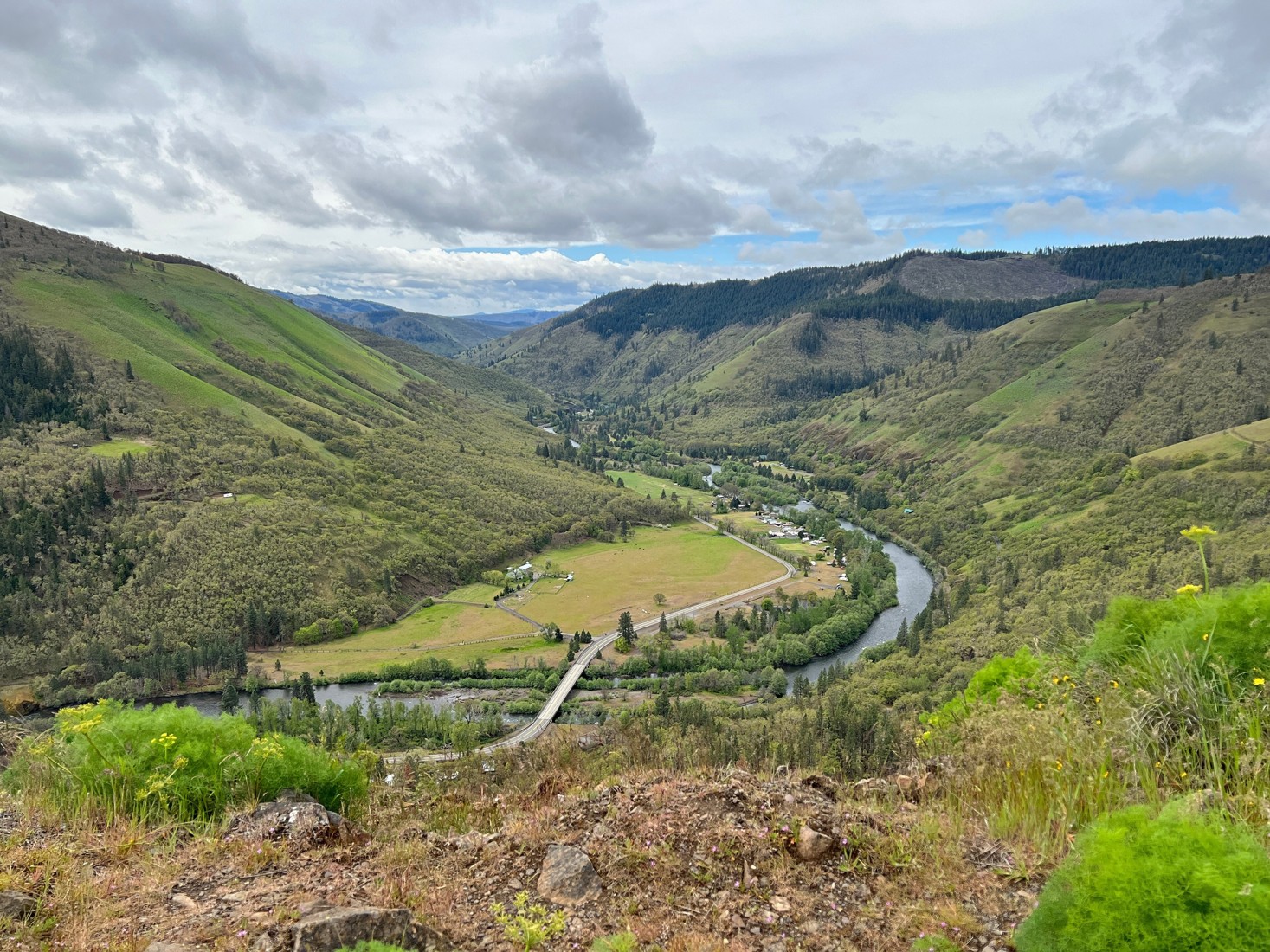
For the Adi community, the stakes extend beyond individual villages. The community has depended on the Siang river since the beginning of time, and if this project goes ahead, at least 27 Adi villages will be submerged, says the president of Adi Bane Kebang United, the community's apex organisation in the state. A grocery shop owner on the road to Geku, a village in the Upper Siang district, says it is not just Upper Siang that will be affected - the entire state will feel the impact, and if the Siang river is disturbed, the community believes everything will be destroyed.
Geku, nestled along the Siang, appears far removed from the unrest. But in recent months, the village has been at the centre of protests against the preliminary surveys and the deployment of Central Armed Police Forces (CAPF). Authorities arrested four people under the Arunachal Pradesh Unlawful Activities (Prevention) Act. One of those detained said they were kept in a cell with convicted murderers and asked why they were being subjected to this just because they wanted to protect their land. He was subsequently released from preventive custody.
The BJP-led state government defends the project on strategic grounds, citing China's massive dam on the Yarlung Tsangpo in Tibet and the potential risks of sudden water releases downstream. The Chief Minister has said no decision has been taken on constructing the dam and that public consultation and local consent will be necessary. However, a BJP MP's assertion that the dam will be built has deepened distrust.
The Upper Siang Deputy Commissioner said the project's primary objective is to address China's activities across the border, describing it as very important right now as a security measure to counter the Chinese dam 50 km upstream. He acknowledged that the project had struck an emotional chord, that protests were natural, and that there had been shortcomings in the dissemination of information.