Before AI teaches your children, ask who checked its work
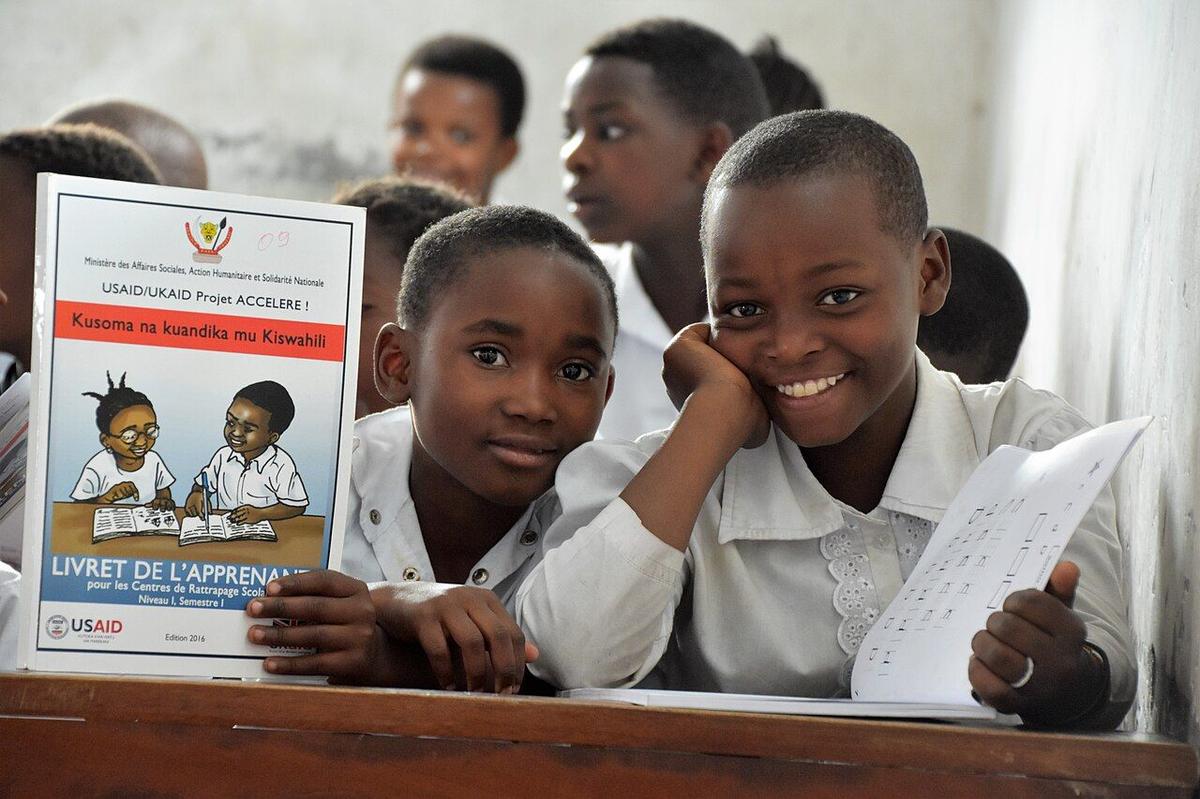
Artificial intelligence has entered the classroom faster than most school systems expected. Lesson content, exercises and worked answers are now AI-generated and put before children daily. Whether this helps or harms learning turns on a quiet question: who reviews this content before a child sees it, and are they qualified to judge it?
The author has taught coding, robotics, digital technology and business to school students for over twelve years, and much of that work is exactly this: reviewing materials for accuracy, checking whether an explanation suits the child's age, catching errors before they confuse a class. That is the skill set the AI era suddenly needs at scale, and it already exists in teaching.
AI use in education is no longer a prediction. A 2025 Gallup and Walton Family Foundation study found six in ten US teachers used an AI tool in 2024-2025, and weekly users reported saving about six hours a week. AI content is reaching students faster than formal review processes are being built.
UNESCO's guidance on generative AI in education is clear: these systems must remain under human oversight, with teachers' judgement at the centre. The limiting factor is the supply of people able to evaluate educational content. AI labs now hire subject experts, including educators, to review model output, because general annotators cannot judge whether an explanation teaches.
Models are fluent; fluency is no longer the hard problem. Today's hard problem is judgement: is this explanation correct, complete, pitched right? Teaching builds exactly these skills.
The implications run both ways: models refined with experienced educators will earn schools' trust faster, and teachers who understand AI content become the natural quality gate for their school's tools. The central risk is that AI content fails gracefully - fluent, well-formatted, occasionally wrong. Unreviewed content is a draft, not a resource; schools need clear policies on where it is allowed and who approves it.
Every education system will rely on a layer of human judgement between AI models and children, staffed either by people who spent years learning how children misunderstand things or by people who have not.