Bell Bay aluminium deal includes minimum workforce commitment until 2031
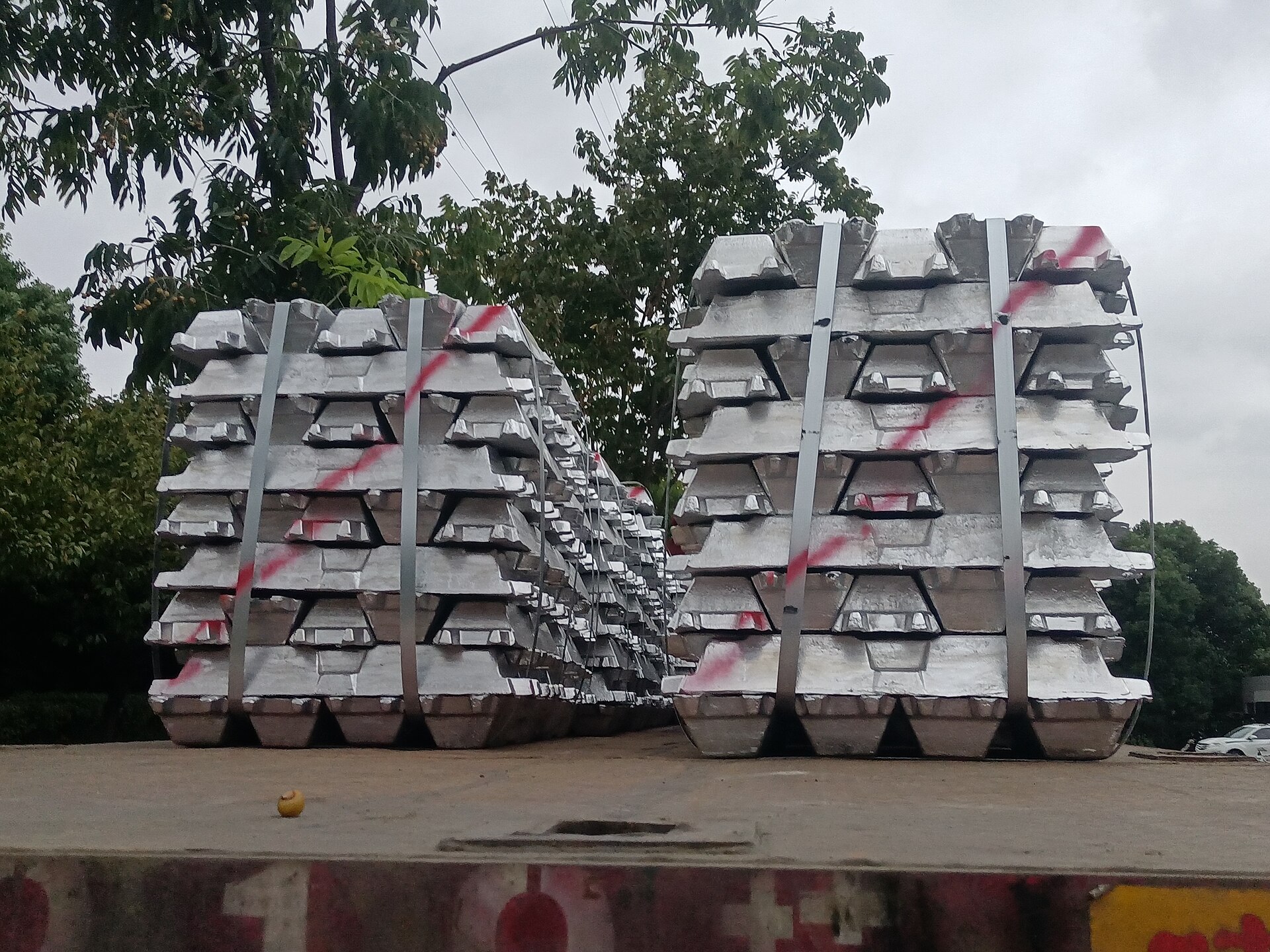
Illustrative aluminium ingots on a truck in China in 2024, not Bell Bay production or its workers.
Rio Tinto has committed to a minimum workforce and continued investment at Tasmania's Bell Bay Aluminium smelter until 2031 under a five-year power agreement and government support package. The company has not disclosed the guaranteed headcount; reporting puts it at around 500, varying between years. This is not a promise that every current position is protected indefinitely.
The 71-year-old plant south of George Town employs 550 people and supports another 1,200 jobs. Months of negotiations between Hydro Tasmania and Rio Tinto had raised fears of closure. The nearby Liberty Bell Bay manganese-alloy smelter closed in July, costing about 200 jobs and making the region's industrial future more urgent.
On 1 October, three months before the previous power deal was due to expire, the federal and Tasmanian governments announced the new agreement and support worth up to A$200 million. Rio Tinto's aluminium and lithium chief executive Jérôme Pécresse visited workers in November and said the company would maintain a minimum employment level and keep investing in assets through 2031.
The full A$200 million may never be paid. Pécresse said support falls away above a specified aluminium price, and that prices at the time of his interview would probably mean no support was granted. The price threshold and detailed contract terms were not disclosed. Industry Minister Tim Ayres said safeguards require the plant to keep delivering lower-emissions aluminium, jobs and investment in the region.
Electricity pricing was the central difficulty. At one point the state government put the gap between Hydro's offer and Rio Tinto's position at about A$60 million a year. Pécresse said a smelter needs electricity costs competitive with other plants serving the same market. He did not disclose the final price or whether Rio accepted more than it initially wanted to pay, saying negotiations generally finish between the parties' starting positions.
Pécresse described Bell Bay as competitive and said it could make more specialty value-added products than any of Rio's other smelters in the region. He hoped it would operate for many decades beyond 2031. That is an expression of longer-term intent, distinct from the present five-year agreement. The plant began as a state-federal joint venture in the 1950s.
The Tasmanian government said the energy contract was commercial and the separate support arrangements protected taxpayers by linking assistance to aluminium prices. It argued Tasmania alone could not reasonably bear a national manufacturing challenge. Hydro said its job was to negotiate commercially sustainable agreements offering value to customers and Tasmania, not to seek the highest possible price; broader subsidies and industry policy were matters for governments.
Illustrative aluminium ingots on a truck in China in 2024, not Bell Bay production or its workers.