Budget 2027: food, fuel and taxes need urgent attention
Ahead of Budget 2027, to be presented in Parliament on November 12, last Sunday's fuel price increase has pushed the cost of living higher. Consumer price inflation has risen to 8.3 per cent within months, food, transport and medicine prices are up, and some filling stations report shortages of LP gas and fuel.
People expect relief from the rising cost of living; cuts in essential food prices and taxes on medicine and education are the key demands. Unions say the government should focus on living costs, not corruption.
The Ceylon Teachers Union called for resolving salary anomalies for teachers and principals. Its general secretary Joseph Stalin said the Rs 100 per student meal allocation is insufficient, and teacher shortages and appointment and transfer delays must be fixed.
The Ceylon Mercantile, Industrial and General Workers Union demanded a national wages commission to set private-sector pay by the cost of living. The university teachers' federation, on a token strike since Friday, warned the education system's decline will deepen the shortage of professionals.
The Government Medical Officers' Association held a three-day token protest over extra-duty and holiday pay, a DAT grade increase and income tax revision. Its secretary Dr Bandara Warakagoda cited the rupee's fall against the dollar and urged approval for local medicine manufacture with lower taxes on raw materials.
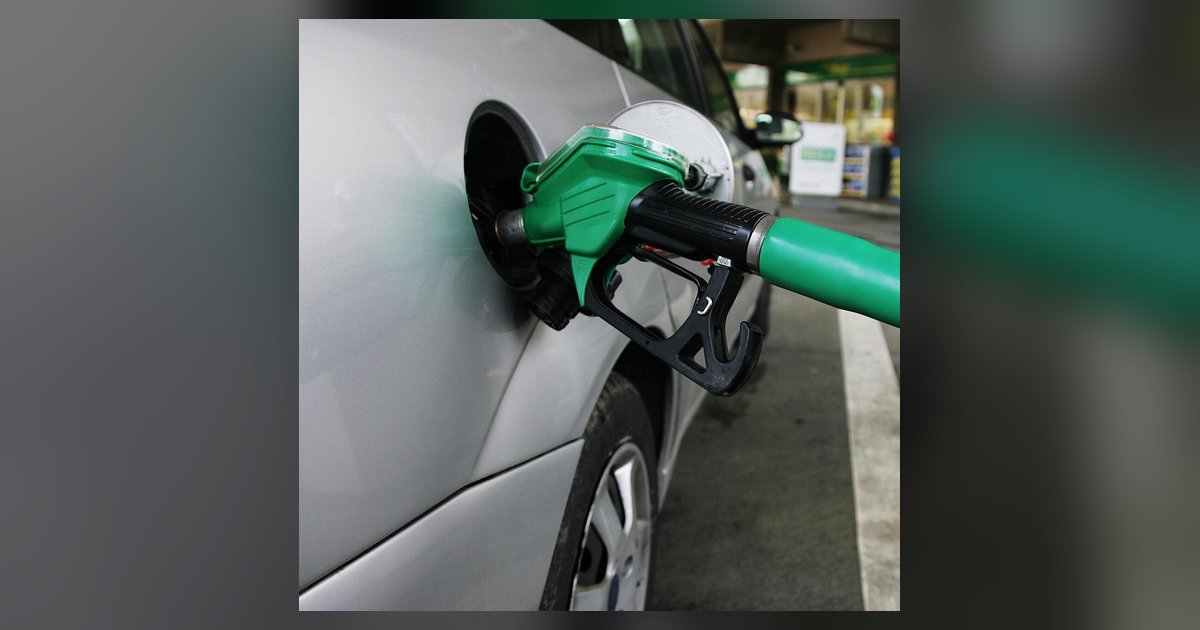
The Ceylon Petroleum Corporation raised fuel prices on November 1: Octane 92 petrol up Rs 10 a litre, Octane 95 up from Rs 490 to Rs 515, auto diesel up Rs 5 to Rs 397 and super diesel up Rs 15 to Rs 543.
Container transporters' secretary Nimal Amarasekara said charges were held because diesel rose only Rs 5. Bakery owners' president N.K. Jayawardena said snack prices went up Rs 5 on higher wheat flour costs. School transport association president N.M.K. Harishchandra Padmasiri said tyre prices have risen 200 per cent and sought a value-added tax cut on vehicle parts, warning of protests.
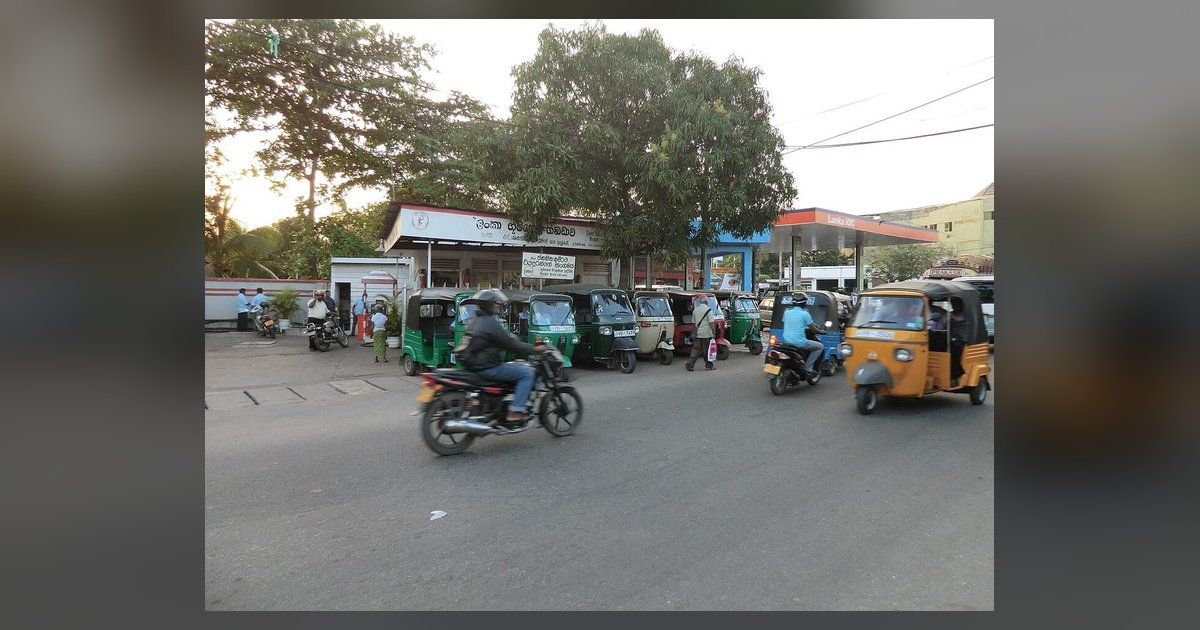
Three-wheeler drivers voiced fears of fuel queues, while private bus owners' president Gemunu Wijeratne said fares cannot change because of a 4 per cent revision agreement with the government.