Choosing a solar or battery installer: checks before signing or paying
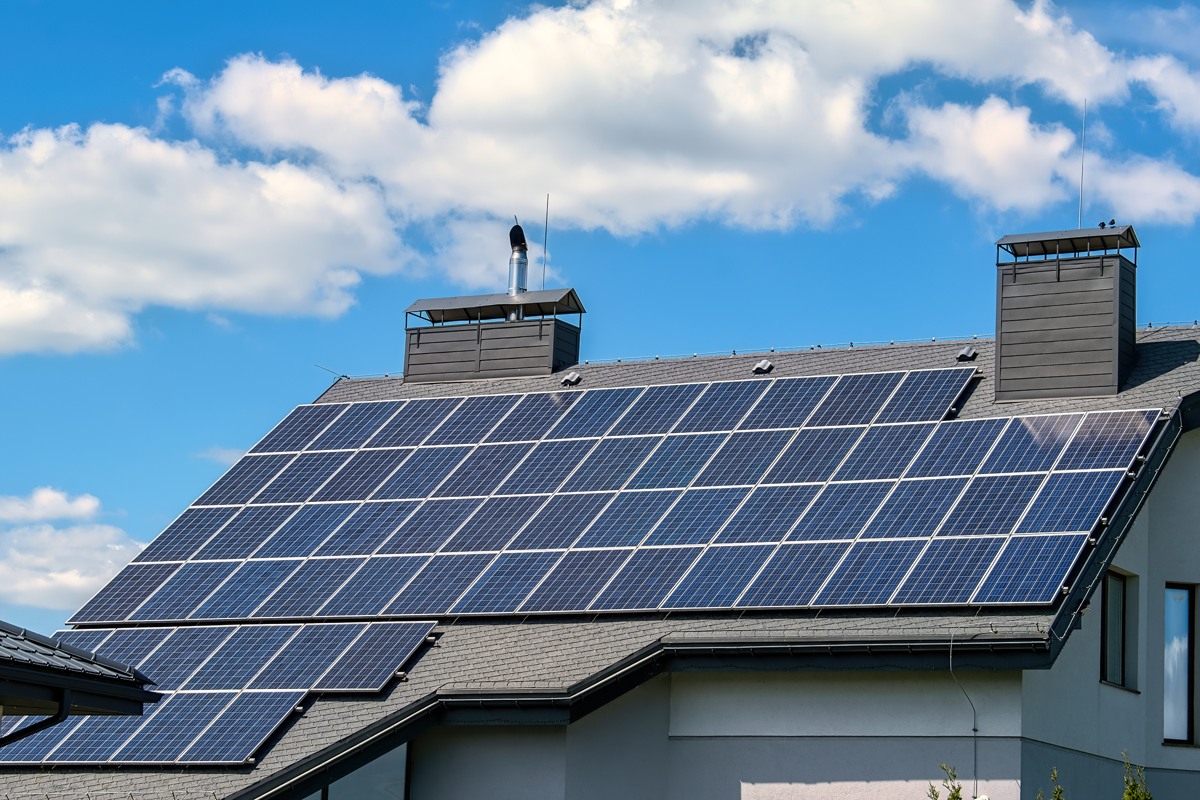
Australia's home-battery boom is making the choice of installer as important as the choice of equipment. More than 600,000 households have installed batteries since July 2025 under the Cheaper Home Batteries Program. Alongside that growth, customers have reported faulty work, lost deposits when businesses collapsed, and systems that failed to arrive even after long waits.
An unsafe or poorly designed system can leave a household paying for repairs while receiving less energy benefit than expected. Consumer agencies have faced more complaints, with unresolved disputes reaching tribunals and courts. Speculation about possible subsidy cutbacks could create another rush, but speculation is not an announced policy change and is no reason to abandon checks before signing.
Compare the whole proposal, not only the price
Seek at least three written quotes where practical. Ask each supplier to price comparable equipment and system sizes so differences are visible. Comparison specialists Jeff Sykes and Finn Peacock warn that a very low price can reflect inferior hardware, poorly paid installation teams or a business model that cannot support later repairs. A cheap quote alone does not prove wrongdoing, but it warrants questions.
Peacock cautions that an operator can offer unsustainably low prices if it does not intend to pay taxes, wholesalers or installers before closing. Sykes says faults become particularly difficult and expensive to fix when the installer has a poor service record. The useful comparison is the lifetime package: hardware, installation, warranty and support.
Investigate the business behind the sales pitch
Use the Australian Business Number register to check registration history and earlier trading names. Ask how many years the business has operated, whether it has always used the same ABN and company name, and whether its local office has actual staff rather than being only a satellite address. Be cautious about a failed business reappearing under another name.
Long warranties make business continuity important. Peacock points to panels carrying warranties of about 25 years and batteries around 10 years, although the actual terms differ by product. A seller needs enough financial capacity and service staff to handle maintenance and complaints after the initial sale. Also consider how long the manufacturer has supplied Australia and whether it has local support.
Read the complaints and the replies
Do not stop at the average star rating. Read one-star reviews and examine how the business responds. Mistakes happen and not every complaint is reasonable, but silence, threats or automatically blaming the customer can reveal an unhelpful approach to after-sales problems.
Sykes warns that ratings can be distorted by solicited positive comments, fabricated reviews or removal of negative feedback. Compare several review platforms and ask to speak with a few recent local customers. Their experience can help test whether the promised support exists in your area.
Recognise pressure tactics early
Warning signs include an unusually large deposit, a deal that supposedly expires unless signed immediately, unsolicited door-to-door or telephone approaches, and advertisements centred on rebates rather than suitability. Less than 12 months of trading history or equipment newly introduced to Australia deserves extra scrutiny, not an assumption that the supplier will remain for the warranty period.
Check the seller, installer and licence separately
A retailer may sell the system and subcontract the installation; alternatively, an accredited installer may handle both. Ask who will physically perform the work. Verify the relevant electrical or building licence through the state or territory register, and check disciplinary records where published. An electrical licence and solar accreditation are different checks.
Solar Accreditation Australia operates the national installer-accreditation scheme. Ask for the installer's accreditation number and verify its status. The New Energy Tech Consumer Code is a separate voluntary seller scheme covering matters such as quotations, contracts, installation, warranties and support; its approved-seller list and suspensions or expulsions are also useful checks. Approval is not a substitute for licence verification.
In Victoria, check the relevant registration or licence. In Queensland, South Australia, Tasmania, Western Australia and the Northern Territory, check the applicable electrical licence or contractor licence. In the ACT, check electrical licensing and endorsements. Western Australians can also review published consumer-protection enforcement and prosecution outcomes. Subsidy eligibility and approved-seller requirements vary by program and jurisdiction, so check the particular scheme rather than assuming a national rule covers everything.
In NSW, only a licensed building or electrical contractor may contract to install rooftop solar, and the wiring must be performed by an appropriately licensed or supervised electrical worker. Residential work above A$20,000 including labour, materials and GST requires home building compensation cover under the published rules; proof must be supplied before work or payment. NSW also caps home-building deposits at 10%. Do not apply that percentage to every state, because local rules differ.
Make the battery fit the household
Ask the seller to explain the assumptions behind projected electricity savings, the proposed system size and the payback period. Since the subsidy began, concerns about customers being sold oversized batteries helped prompt changes to the scheme. Bigger storage is not automatically a better financial choice.
Battery capacity and inverter power must be considered together. The inverter manages conversion between the electricity forms used by the system and the home or grid. A large battery paired with a low-power inverter may take many hours to charge or discharge, limiting useful energy delivery and opportunities to export at favourable times. Ask how the design matches your usage and network export limits.
Ask about the site and the service after installation
A site visit can reveal switchboard upgrades, roof-access problems, shading and suitable equipment locations before the final price is agreed. If no visit occurs, provide accurate site information and switchboard photographs and ask for all necessary extra work to be itemised. Regional customers should establish who will travel to fix a problem and how long that may take.
Get clear answers on the installation date, the people doing the work, the contact for faults, repair response times, local staffing and manufacturer support. Check that panels, inverter and battery are approved products for the relevant program, and confirm which rebates you actually qualify for and their amounts. Free government solar guidance and consumer-code advice can help, alongside local consumer agencies.
Put the promises on paper before paying
Read the equipment and installation warranties, exclusions, payment schedule and full contract terms. The quote should identify models, system size, site design, total price and rebate deductions, extra works, forecast output and savings assumptions, connection limits, consumer rights and the business's ABN and contact details. Check cooling-off rights and any exit fees rather than assuming they exist in every sale.
Have promised dates and other sales assurances written into the contract, rather than relying on a phone conversation. Some consumer agencies suggest a credit-card deposit because a chargeback may be available if something goes wrong, but that is subject to the bank's rules and is not guaranteed protection. Do not pay or sign until the terms are understood and the required checks are complete.