After a midterm landslide, Democrats unite on cutting costs but split over how, and over dealing with the president
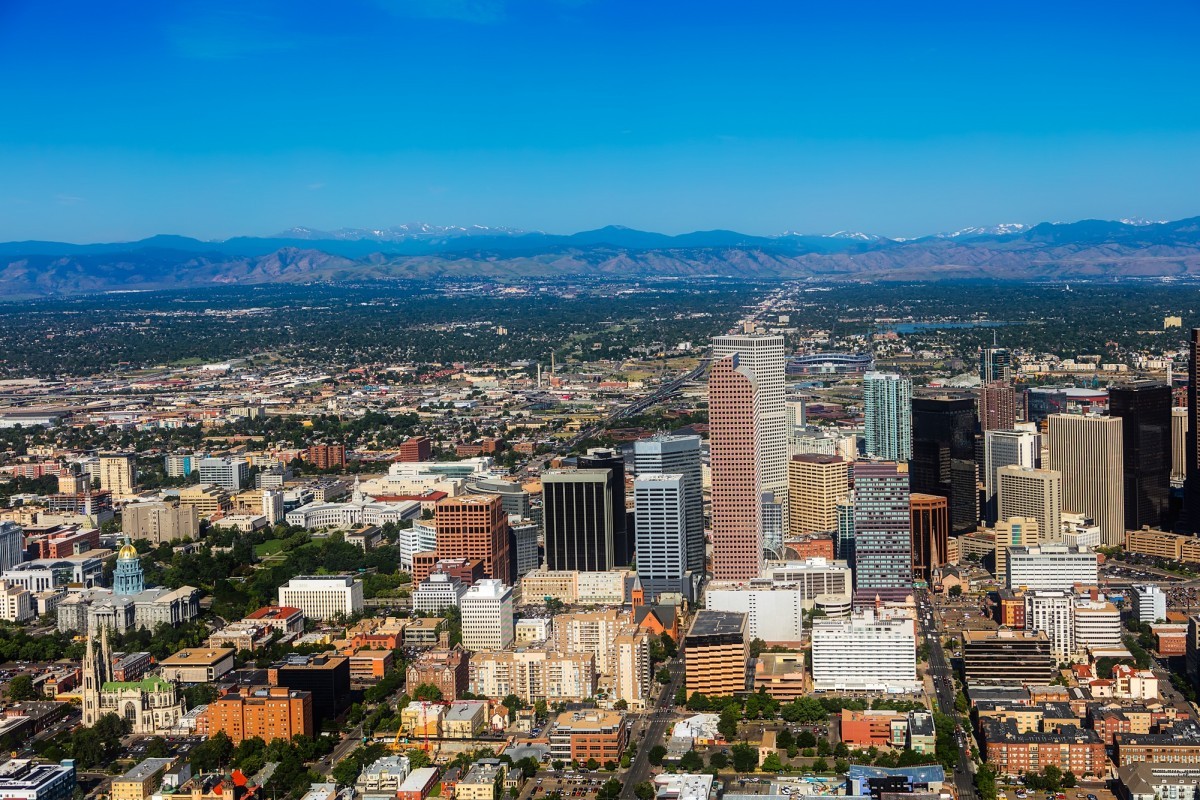
Fresh from a midterm election landslide, Democrats met in Denver this week united in wanting to deliver voters relief from high costs, but split over how to achieve that, what lessons to draw from their victory and how combative they should be toward President Donald Trump. Despite the celebratory mood after the November 3 rout of Republicans, tensions between moderates and a restive progressive wing surfaced at the party's first major gathering since its victory, along with anxiety that the party could squander the opportunity voters had handed it.
The conference, hosted by Majority Democrats, a group that advocates for younger party leaders and against left-wing activism, offered an early glimpse of the battle to define the party's future, as prospective 2028 presidential candidates and senior leaders debated how to turn electoral success into a governing agenda. The original conference report put Democrats at at least 255 House seats to Republicans' 169, with other contests unresolved. A later election-results check showed 256 to 169. The Senate tally remained 55 to 44, with one Alaska seat still unresolved. These are projections and counts still subject to completion. But President Trump retains significant executive authority, including veto power for two more years, complicating efforts to lower the costs that voters handed Democrats control of Congress to fix.
Bolder left or careful centre?
California Representative Ro Khanna, a progressive and potential presidential candidate, urged Democrats to stop chasing the political centre and embrace a bolder agenda, including universal healthcare, a wealth tax, a 25-dollar federal minimum wage, deep Pentagon cuts and abolishing the immigration enforcement agency. By contrast, Pennsylvania Governor Josh Shapiro, a moderate and another potential 2028 contender, argued the party should move beyond ideological litmus tests, saying voters 'don't give a damn' about such debates and care instead about whether Democrats can deliver results. 'It's to be expected that there will be a big debate because the Democratic victory was so broad it swept in centrists, southern Democrats and more progressive and left-wing Democrats,' Democratic strategist Elaine Kamarck said.
Work with the president, or fight him?
James Talarico, the first Democrat elected to the Senate from Texas since 1988, urged Democrats to work with Trump: 'We should make the final two years of his presidency the most productive of any presidency in American history. We're tired of being pitted against each other.' Talarico drew tepid applause. Iowa Governor-elect Rob Sand, who said he encouraged campaign audiences to applaud Republicans, agreed, saying partisan warfare would not deliver results: 'The only way we're going to fix that is by fixing it together.' Minutes later, Maryland Representative Jamie Raskin, expected to chair the House Judiciary Committee in January and oversee investigations of Trump next year, largely rejected accommodation, saying the Republican Party had become an authoritarian cult of personality: 'We're going to reassert all of the powers of Congress that have been surrendered and abdicated by the MAGA Congress to King Trump. We're going to enforce the Constitution against him.' Former attorney general Eric Holder warned Democrats against pursuing bipartisanship: 'If we retreat into caution, if we operate out of fear, if we take refuge in the niceties of the old Washington and seek approval from those who have been and are actively dismantling our institutions, we will fail.'
'A short-term loan'
Almost every speaker agreed the party's top priority was lowering costs and improving life for working families, a theme echoed by New York Representative Hakeem Jeffries, set to become House Speaker, and prospective presidential candidates including Shapiro, former transportation secretary Pete Buttigieg and Khanna. But splits emerged over how: Jeffries, a moderate, was heckled by protesters who accused him of being too timid and called for a more populist progressive House leader, while Khanna and Maryland Senator Chris Van Hollen, who this week challenged the more centrist Senator Chuck Schumer of New York for the party's top Senate leadership job, called for populist, government-funded economic solutions. Many speakers described the win not as an enduring mandate but a temporary opportunity. Arizona Senator Ruben Gallego noted that many Hispanic voters who backed Trump in 2024 voted Democratic this month: 'It was not, though, a love letter to the Democratic Party. It is a short-term loan that we need to keep paying, or we will lose it.'