Sri Lanka committee urges EV testing standards; mandatory scheme not yet announced
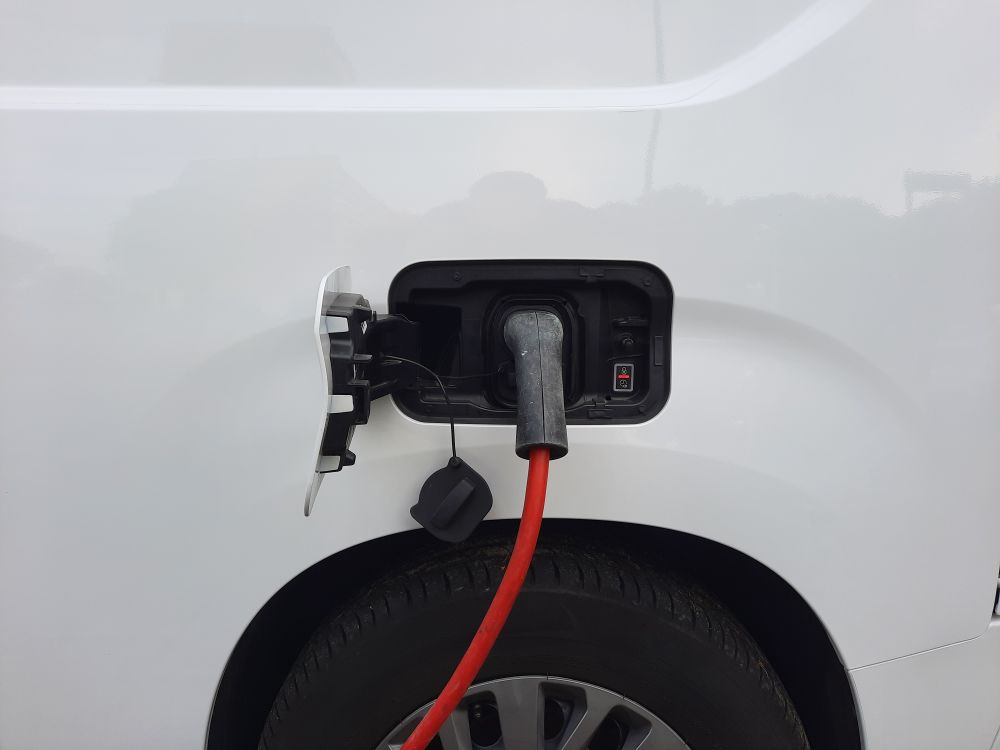
Illustrative EV charging connection, not a Sri Lankan inspection or approved product.
Sri Lankan officials have urged mandatory testing and certification for imported electric vehicles and related equipment after a parliamentary committee discussed gaps in the rules. Parliament's November 12 account says the proposal covers EVs, batteries, controllers and charging stations. It records a call for standards, not the commencement of a new compulsory scheme.
Testing capacity and legal obligation are different
The National Engineering Research and Development Centre (NERDC) told the Sectoral Oversight Committee on Science, Technology and Digital Transformation that it can assess battery capacity, durability and lifespan. Officials nevertheless identified a lack of mandatory standards and certification for the imported technologies. Having a laboratory able to perform tests does not mean every vehicle or battery has already passed them.
The discussion also covered converting fuel-powered vehicles to electric drive. Parliament says training, safety standards and regulatory mechanisms were among the needs raised. The account does not approve a particular conversion kit or certify any individual vehicle as safe.
Research staffing and protection for inventors
The committee also examined staff shortages and the need to retain engineers and researchers, improve research institutions and turn research into usable products. University-linked incubation centres, digital platforms for innovation and electric-fence projects to reduce human-elephant conflict were discussed. Officials said three of four fencing projects were working successfully; that is a report on those projects, not evidence that every fence design is safe or effective.
A proposed "Petty Patent" system was discussed as a possible amendment to intellectual-property law to protect inventors and help commercialise inventions. It remains a proposal in this account. The reports reviewed by the committee were NERDC's 2022 report, the National Science and Technology Commission's 2023 report, the Sri Lanka Inventors Commission's 2024 report and the ministry's 2025 performance report; those are reporting years, not dates when the proposed EV rules took effect.
Neither Parliament's account nor the published reporting reports inspected for this article specifies a final standard, commencement date, certification fee or treatment of vehicles already imported. The image is a licensed illustration of an EV charging connection, not a Sri Lankan inspection, an approved product or the committee meeting.