When did the custom of bursting firecrackers on Deepavali begin? What the historical evidence says
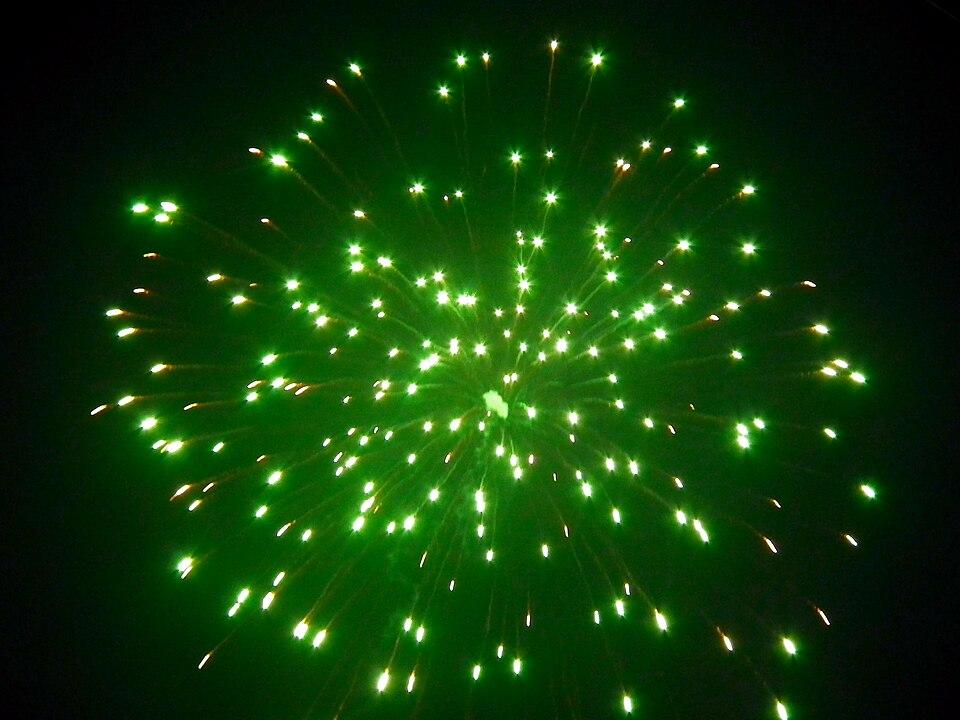
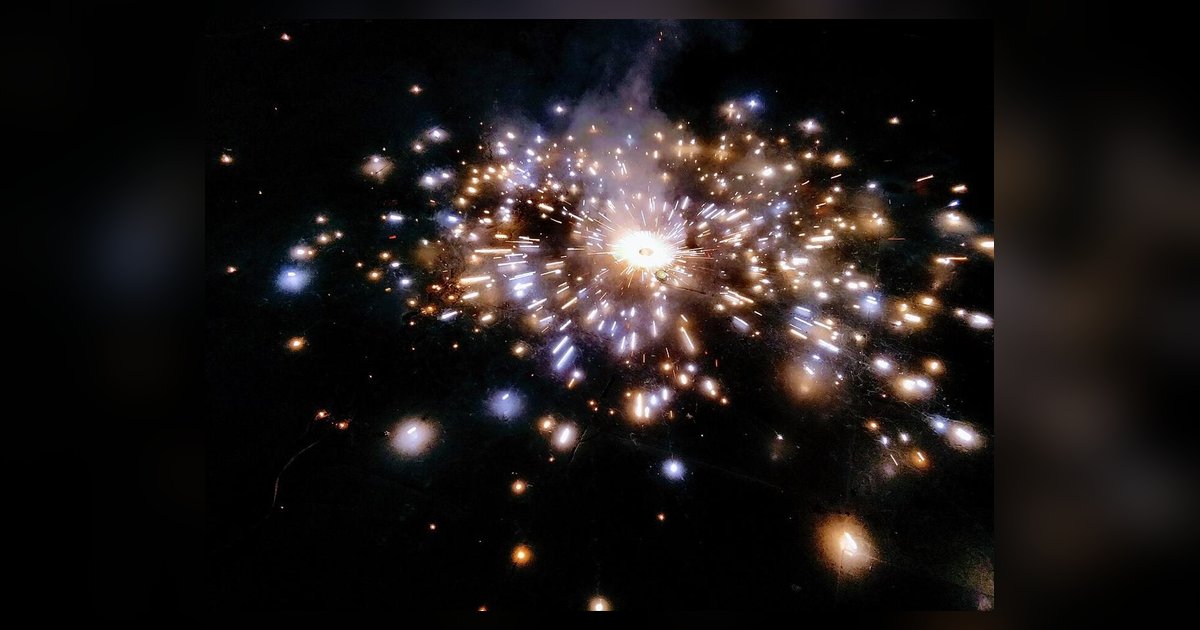
Deepavali brings many things to mind: new clothes, sweets, lamps and celebration with relatives and friends. Firecrackers have become inseparable from the festival. But when did the custom of bursting crackers on Deepavali begin?
Examining references in the puranas and ancient texts reveals no sign of a firecracker custom on Deepavali, says Panjab University history professor Rajiv Lochan. In China, people believed the noise of crackers drove away misfortune and brought good luck. Atisha Dipankara, the Bengali Buddhist monk who lived in India in the 12th century, may have introduced the idea, possibly learned from China, Tibet and other East Asian regions.
India's Rig Veda mentions Nirriti, a deity of misfortune and destruction, but ancient texts do not mention bursting crackers to drive it away. Knowledge of devices producing special light and sound did exist early, however: Kautilya's Arthashastra, written before the birth of Christ, describes a powder that burns rapidly with strong flames and, packed into a tube, would explode like a cracker.
Gunpowder is believed to have first been written about in 1270 by the Syrian chemist Hasan al-Rammah. When Babur attacked the Delhi Sultanate with Mughal forces in 1526, Indian warriors were frightened by the sound of his troops' guns; one argument is that had crackers already been widespread, the sound would not have frightened them.
Firecrackers were used extensively in the Mughal era, but it is wrong to say the Mughals brought them to India, says Mughal history professor Najaf Haider. A painting of the wedding of Dara Shikoh, Shah Jahan's eldest son, shows people bursting crackers, and fireworks are mentioned even earlier, in Firoz Shah's reign.
The 18th-century Peshwa Bakhar document records a 'Lanka firecracker show' outside Kota in Rajasthan during a four-day Deepavali: figures of Ravana, demons, monkeys and Hanuman made with gunpowder, with Hanuman's blazing tail recreating the burning of Lanka. Researcher P.K. Gode notes a similar show the Peshwa arranged at the foot of Parvati hill in Pune. This is written evidence of Deepavali crackers by at least the 18th century, but experts say it cannot be confirmed as the custom's beginning.