Genie 4 and the rise of world models as robot training grounds: what Google's simulation bet proves, and what it doesn't
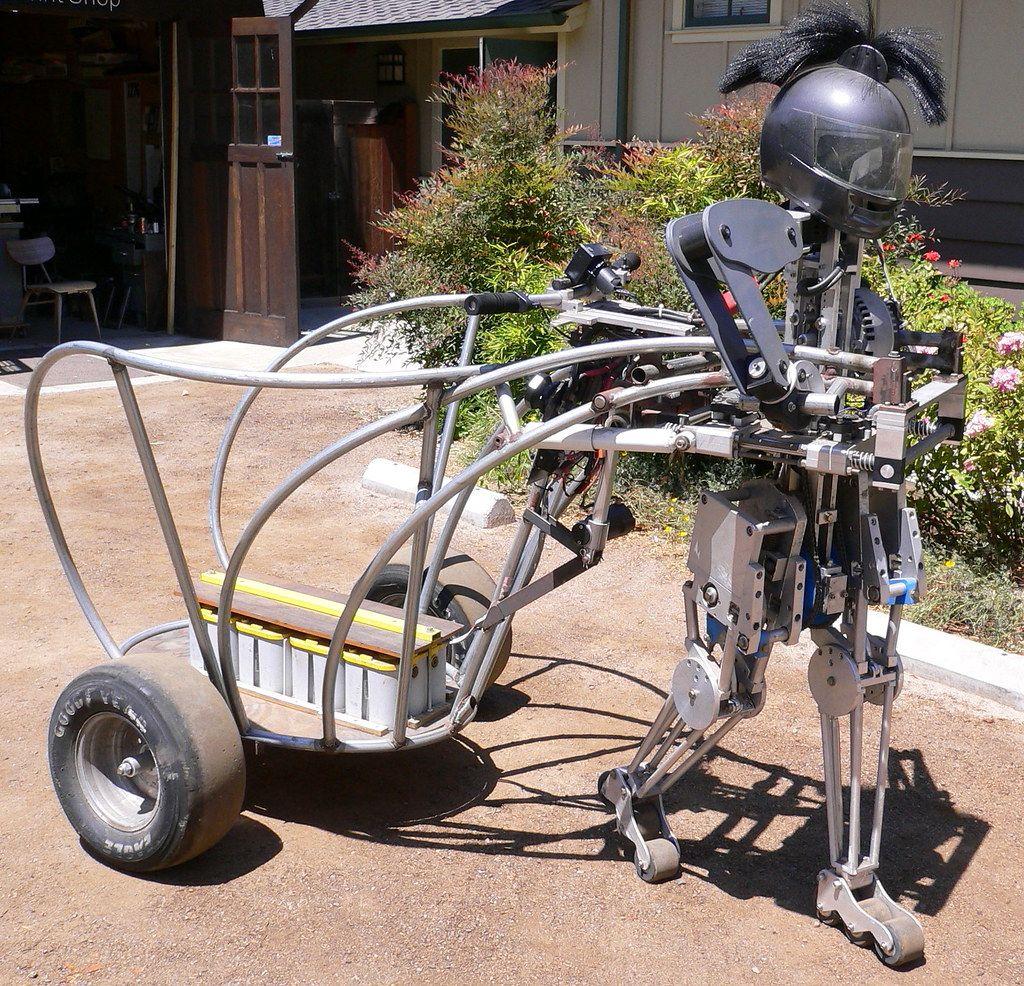
Training a robot in the real world is slow, expensive and sometimes dangerous; so Google wants machines to train inside AI-generated worlds. On October 27, 2026, it announced Genie 4, a world model that creates interactive simulations steered by natural language - worlds Google says will be training grounds for robots and AI agents. This analysis separates what the announcement proves from what it does not.
Genie 4 generates interactive worlds in real time: natural language commands can move the camera, change the weather or bring in new characters, and the scene responds instantly. This version adds natural audio generated alongside the visuals. Access is currently limited to a small number of trusted testers, with Google AI Ultra subscribers and early Gemini API and AI Studio partners next.
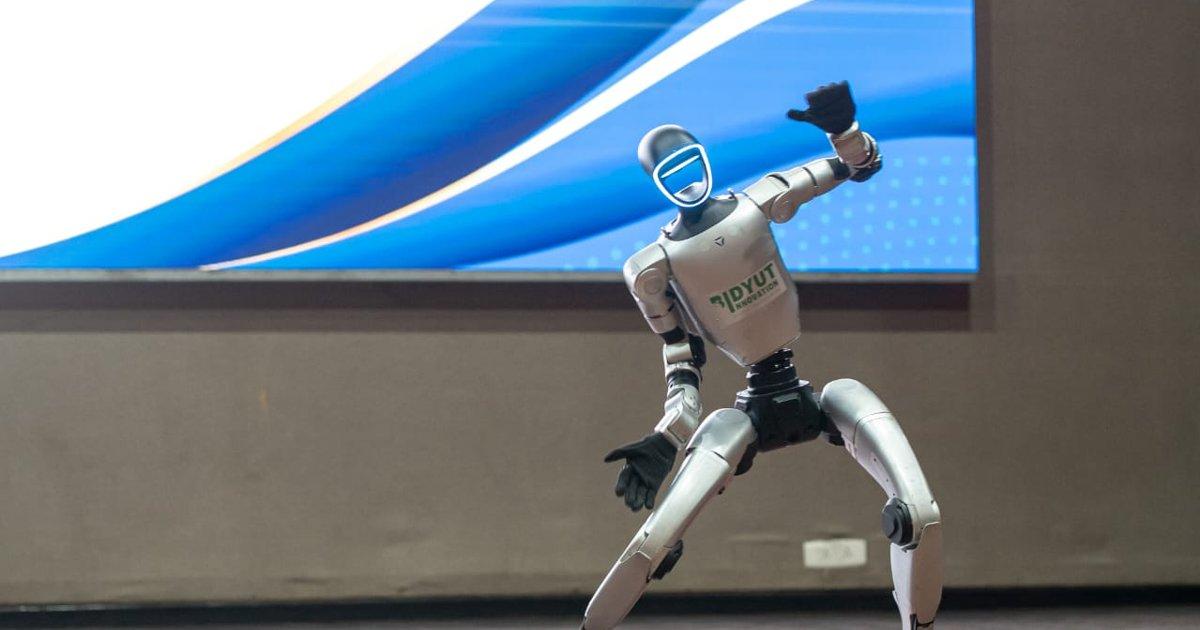
Genie 4 does not run alone: Google says Gemini Omni grounds every simulation in real-world behaviour, while other Gemini models guard scene coherence, and Gemini 3.8 Flash acts like a director, breaking the user's goal into steps and checking each frame. In a key demonstration, Genie 4 simulated playing chess with Apptronik's Apollo humanoid robot - but Google did not say a real robot control system was in the loop, an important detail.
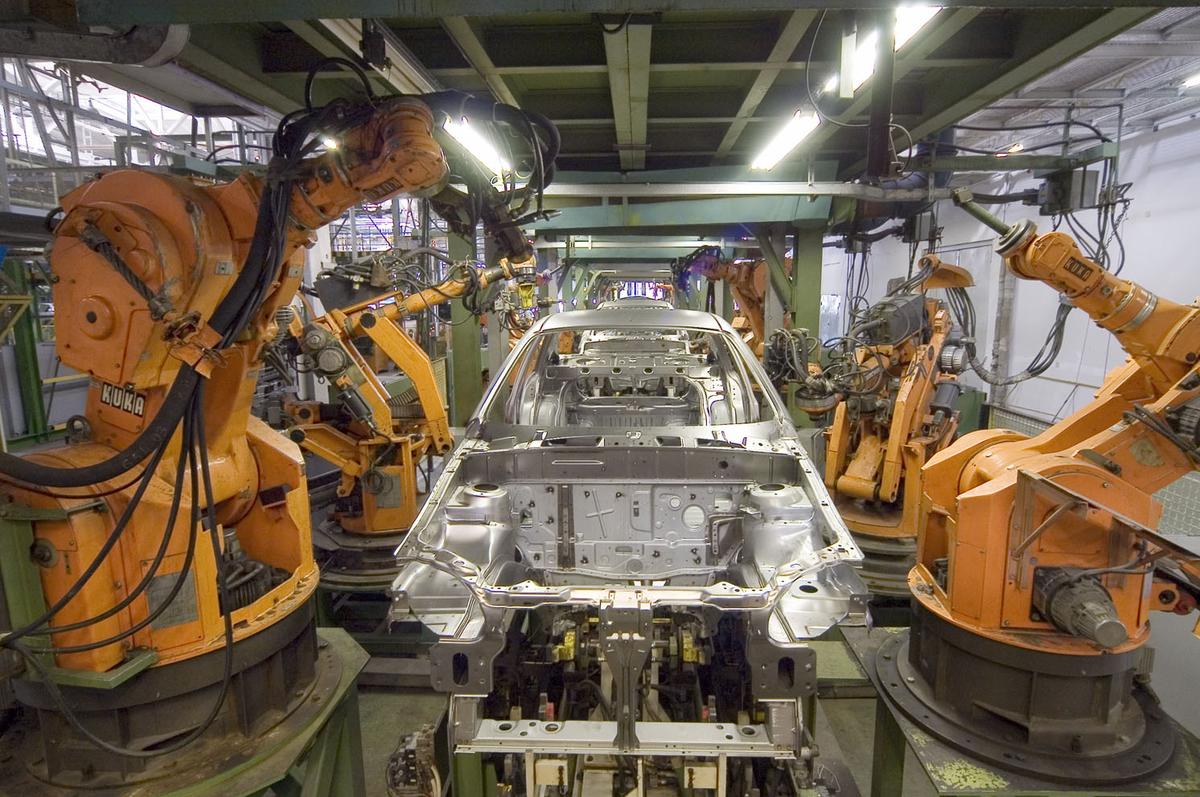
Collecting real-world training data for robots is the industry's key bottleneck; every hour of physical training costs equipment time, supervision and sometimes broken hardware. If an AI-generated world can replace part of that training, the cost curve changes - a robot can fall ten thousand times in simulation before one real mistake. Capital markets have already priced the shift: in September AMD agreed to buy World Labs for about US$8.2 billion, Rivian acquired world-model company Third Dimension in October, and Amazon has reportedly held talks to buy Decart.
Google has released no numerical evaluations for Genie 4; the announcement relies on selected demonstrations, which are marketing material, not measurement. Simulations run about two minutes - roughly double Genie 3 - but there is no guarantee a scene stays consistent even within that limit, DeepMind researcher Hang Qi has noted. One demo shows a visible physics error, with a marble statue toppled onto a watermelon staying on its pedestal. Product manager Diego Rivas told a technology outlet the team is "still on the research journey," not the final-product one.
Not every world model works the same way. Genie 4 and Runway's GWM Worlds 2 generate real-time video for interactive steering; World Labs' Marble and Tencent's HY-World 2.0 generate persistent 3D scenes. The AMD, Rivian and Amazon moves suggest the industry is consolidating fast. Manufacturing, logistics, mining and agriculture rely on physical operations where mistakes are expensive, so simulation-based training maps directly onto them - but the technology is not yet a proven platform. The prudent course: test cheaply, demand numerical evaluations from any vendor, and weigh a simulation hour against the cost of real data collection. The demonstrations are significant, the evaluations absent, and the economics intriguing enough to watch.