Give spinning a whirl
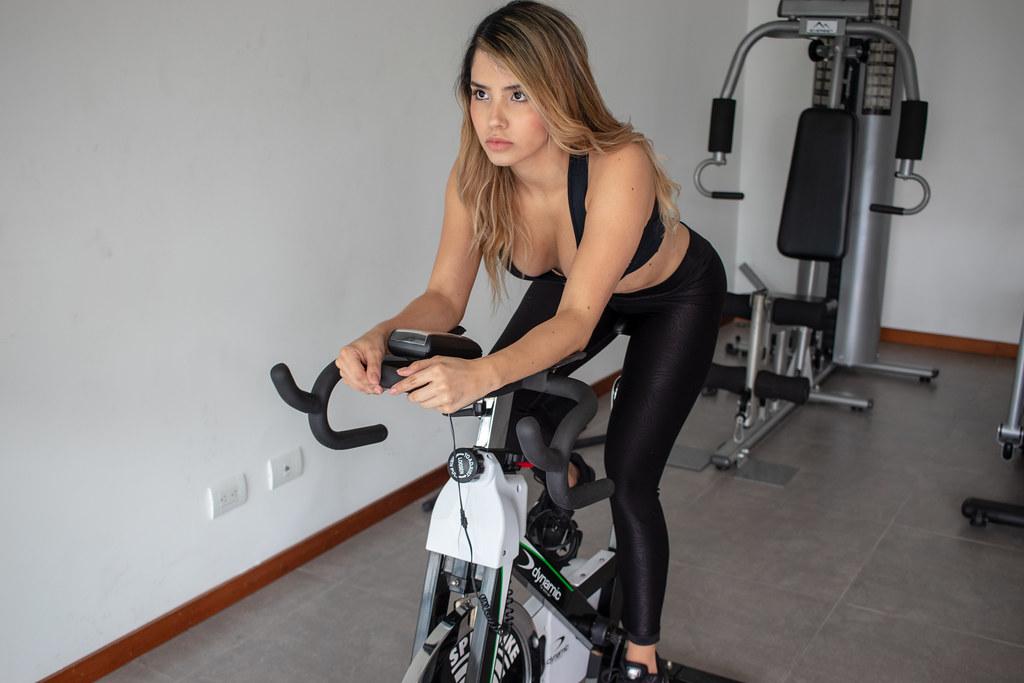
Spinning classes - indoor cycling set to motivating music - are more popular than ever. They are fixtures at most gyms, and entire fitness centers devoted to nothing but spinning have sprung up. Some even run senior-only classes.
If you have not tried this kind of workout, it is worth a whirl for its wide range of benefits.
What is a spin class?
Spinning delivers a strong cardiovascular workout and can build lower-body muscle strength.
It also suits people who dislike, or struggle with, higher-impact cardio like running or even speed walking. As a low-impact exercise, spinning puts less strain on your joints, making it a good fit for anyone with knee or hip problems or those recovering from orthopedic injuries.
In some respects, spinning can deliver more sweat equity than ordinary cardio. One 2016 study in a fitness research journal compared two 30-minute spinning sessions against an hour of moderate-intensity exercise among 36 middle-aged adults. After six weeks, the spinning group showed greater gains in fitness, leg strength, blood pressure, total cholesterol, and fat mass than the other group.
Group indoor exercise classes also create chances to socialize, which is tied to maintaining cognitive health and may even reduce dementia risk. Surveys of spinners taken before and right after classes have, not surprisingly, shown a marked lift in positive feelings.
Health benefits of indoor cycling
A spin class usually runs 45 minutes to an hour, led by an instructor who guides the group through a series of heart-pumping workouts. You might do speed work - pedaling fast for short bursts followed by rest and recovery - or incline workouts, where you raise the bike's resistance so it feels like cycling uphill.
Class rules
Spinning classes are safe for most people. But check with your doctor first if you have a heart condition or are recovering from an injury or surgery. Once you feel at home on the bike, you can easily ride solo - though it is best to take several classes first to learn the ropes.
To get the most from spinning and stay safe, follow these guidelines:
Look for proper credentials. Most spinning instructors hold certification to teach indoor cycling, often from the same organizations that certify personal trainers. Ask about your instructor's credentials and look for a recognized indoor-cycling certification.
Get fitted. Spinning bikes vary by manufacturer. Most are built for the average rider but adjust individually. Set up a separate session with an instructor to learn how to set handlebar and seat height and position for proper alignment, so you do not overload your lower back and knees. Practice before class to get a feel for the motion: your legs should travel in a smooth circle, with no jackhammer-like bouncing.
Take it easy at first. Injuries are most likely when people push too hard too soon. Pedal only at a pace that lets you stay stable in the saddle, and never feel obliged to match everyone else. Drop to a lower intensity if needed, stay in your comfort zone, and progress at your own speed. It is perfectly fine to sit out a workout, recover, and rejoin when ready - or simply do your own thing and pedal.
Keep it short. Most classes run up to an hour, but staying for 20 or 30 minutes is fine until you grow more comfortable and your endurance builds.
Bring a towel and water. You will sweat, so keep a towel handy for your brow and a water bottle for hydration. A pair of cycling shorts is also a worthwhile investment - they make time in the saddle far more comfortable.