GP nature prescriptions show promise, but evidence and access still matter
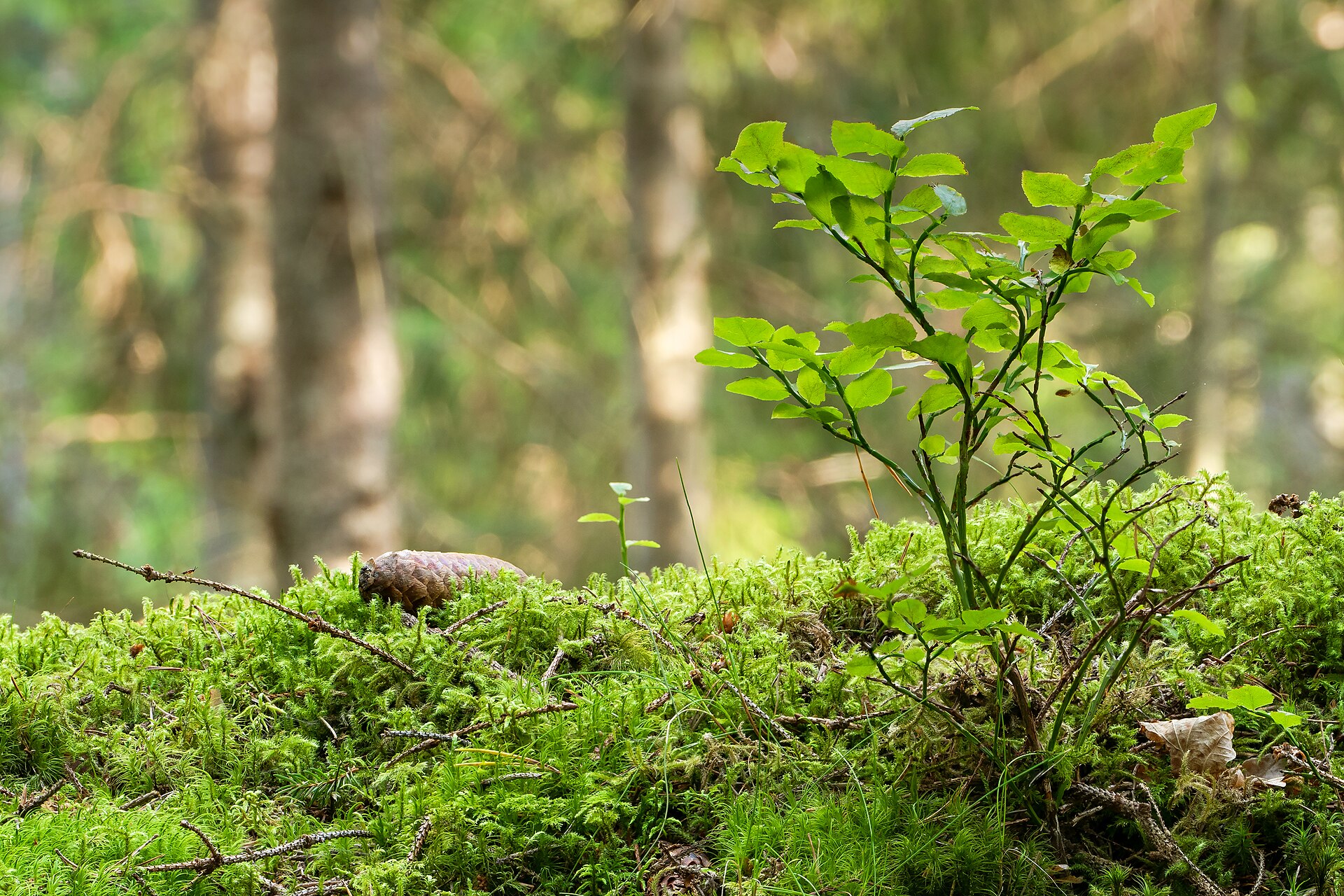
Illustrative bilberry and moss in a Swedish nature reserve, not an Australian clinical program.
Australian GPs have new support for recommending time outdoors, after the Royal Australian College of General Practitioners endorsed nature-prescribing resources. The advice includes spending 20 minutes a day noticing the natural world, through activities such as park walks, listening to birds or wildlife gardening. Evidence supports possible physical and mental benefits, but a doctor's recommendation is not itself proof of better health.
Aboriginal and Torres Strait Islander peoples have long understood wellbeing through connection to Country, including land, water, culture, community and identity. More recent scientific research has tested different nature activities and outcomes, with uneven strength of evidence.
A review of 47 trials involving almost 3,800 people assessed nature walks, outdoor exercise and gardening. Seventeen found significant mental-health improvements over comparison groups, especially in depression, anxiety and stress. Another 15 found some less consistent benefits. The reviewers called for stronger studies of lasting effects.
A separate 22-study review of forest activities found improvements in blood pressure, heart-rate variability and the stress-related hormone cortisol. Blood-glucose results were less consistent. The often-quoted two hours a week comes largely from an observational study of nearly 20,000 adults in England: those reaching that amount more often reported good health and wellbeing. The study showed association, not that two hours caused the benefit, and no ideal dose for everyone is established.
Nature prescribing is social prescribing: clinicians connect people with activities supporting wellbeing, including community gardens, walking groups or conservation work. Canada's PaRx and Park Rx America offer examples. An English multi-site green-social-prescribing trial gave more than 8,000 people access to activities, supported by community link workers; participants reported mental-health improvements. A 92-study review also linked professional-delivered prescriptions to better blood pressure and mental health and more daily steps.
Programs, referral methods and outcome measures vary, limiting conclusions. Researchers cannot easily separate nature itself from exercise, social contact or encouragement. Some GPs also lack confidence in the evidence or knowledge of local services, making practical referrals harder.
Access matters. Long working hours, disability or a shortage of good green space can make outdoor advice difficult to follow. Useful referrals need local knowledge, safe accessible activities and a match with patients' interests and circumstances, sometimes with support beyond the consultation. Stronger research must show who benefits most and how referrals work in routine care. Time outdoors can still be an option with or without a prescription, but equal opportunities to participate cannot be assumed.
Illustrative bilberry and moss in a Swedish nature reserve, not an Australian clinical program.