Cabinet committee recommends halting Hambantota oil refinery agreement
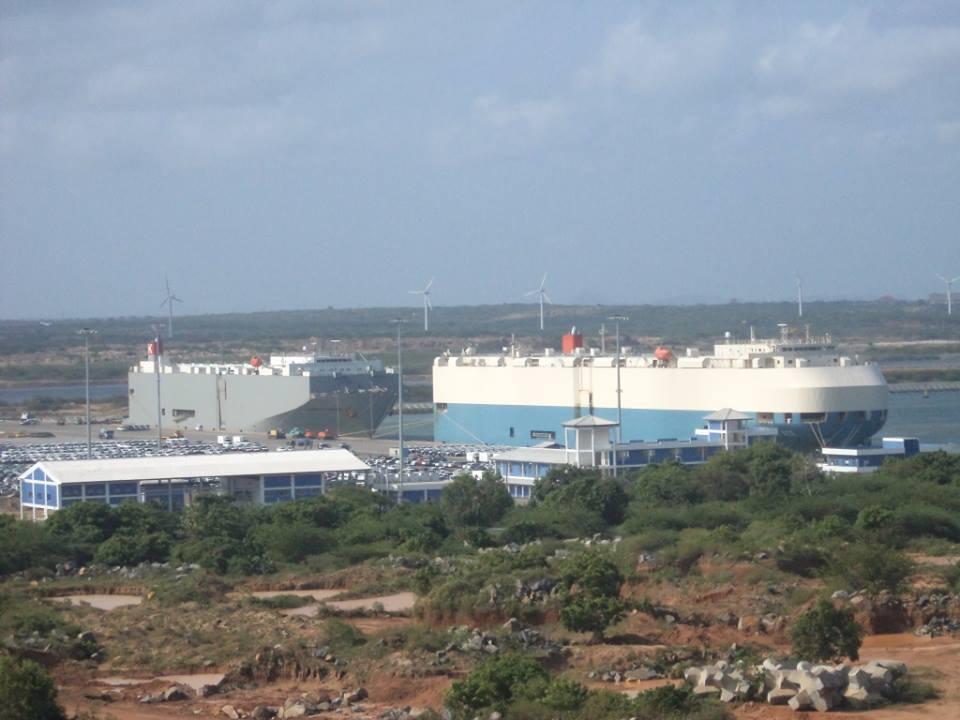
The proposed US$3.7 billion oil refinery project in Hambantota is set to face a setback, after the Cabinet-appointed Negotiating Committee (CANC) recommended terminating the current agreement and inviting fresh investment proposals.
The committee, headed by the president's senior official B.K. Prabhath Chandrakeerthi, rejected 10 key demands raised over the agreement and took a firm stand on energy sovereignty, informed circles say. A final cabinet decision on whether to cancel the agreement entirely or call for new proposals is yet to be taken.
Tax holidays of 15 to 25 years were sought under Strategic Development Project status; that contradicts the strict tax and revenue rules of Sri Lanka's US$2.9 billion IMF bailout framework, a senior finance ministry official said. There were also disputes over a 99-year lease for 700 acres and the removal of a 1 percent government royalty.
A demand for up to 40 percent of published reporting fuel market was seen by local negotiators as an attempt to turn Sri Lankan consumers into a captive market for a foreign state-owned firm. Beyond the 500 acres initially allocated at Arabokka, a further 200 acres near the Chinese-administered Hambantota port were sought, raising concerns about territorial encroachment and port zoning laws. Environmental officials subjected the construction to a mandatory Environmental Impact Assessment; the company balked at its multi-year costs.
The committee also opposed sweeping exemptions on dividends, interest, technical service fees and royalties, personal income tax exemptions for foreign employees, and a demand to sell surplus power to the national grid at no less than US$0.076 per kWh without restrictions.
A key effect of the recommendation is that the state-owned Sapugaskanda oil refinery will be refurbished again. Beyond China, the cancellation is a clear message to regional powers such as India and the US, foreign affairs experts say: by refusing a near monopoly in the domestic fuel market, Sri Lanka is easing security concerns about foreign control over its energy infrastructure.
The decision establishes the NPP administration not as anti-China but as a firm, neutral, "Sri Lanka-First" actor prepared to reject any international power's unequal agreements to protect its economic sovereignty, the experts said.