How writings and relief records describe the 1899-1900 Chappaniya famine
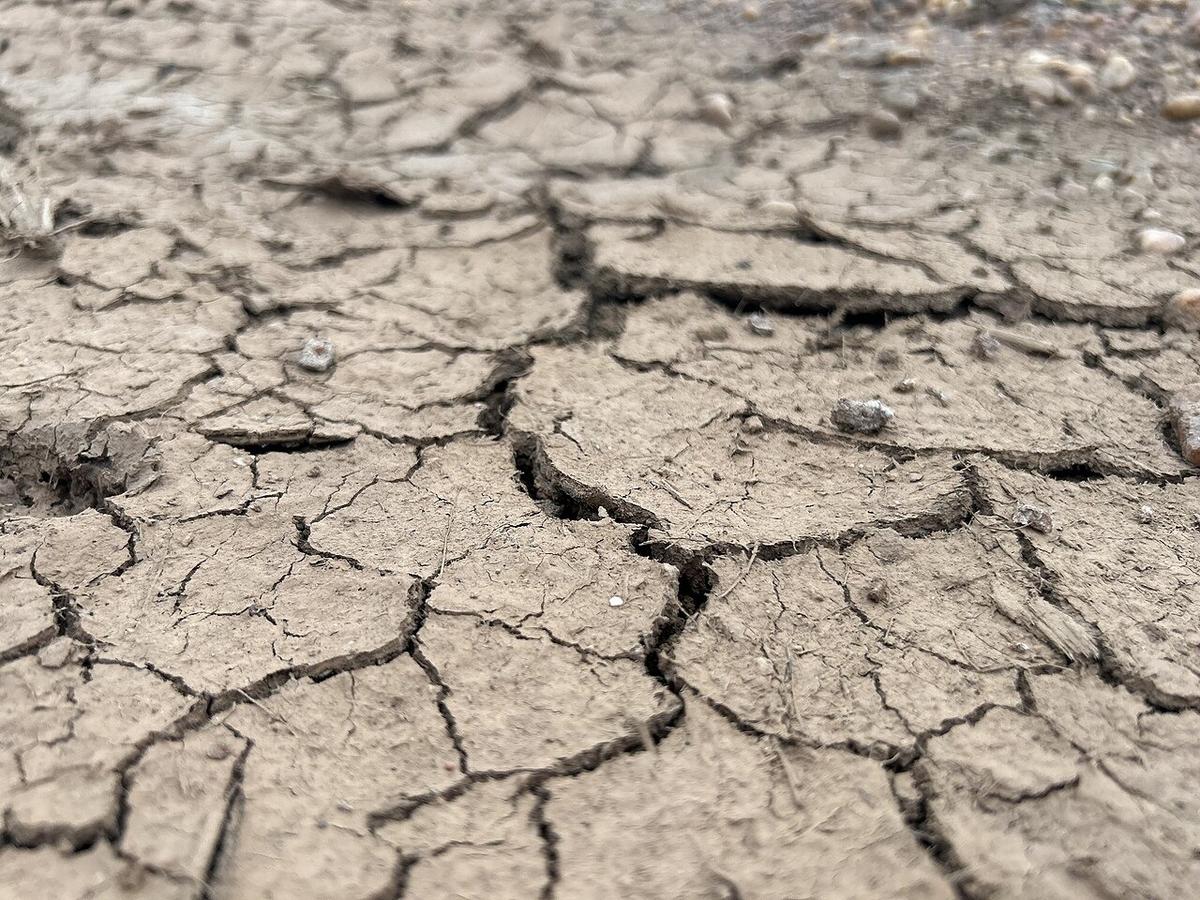
Accounts of the 1899-1900 Chappaniya famine describe a disaster in which failed rains, hunger, disease and weaknesses in relief combined to devastate communities in Gujarat and other affected regions. Literary works and official records offer different kinds of evidence, and should not be read as if they were interchangeable.
Pannalal Patel's novel Manvini Bhavai portrays hunger through a fictional character and farming communities waiting for rain. Its scenes explore the pressure that extreme deprivation places on family life, survival and dignity. They are literary portrayals, not separately verified reports of every event described.
Historical accounts describe shortages of both food grain and animal fodder after the monsoon failed. Small farmers, landless labourers and craftspeople were particularly exposed. Livestock deaths also destroyed assets that families needed to earn a living when farming resumed.
Writers and historians have argued that administrative decisions worsened the crisis. Their criticisms include continuing land-revenue collection during drought and relief camps opening too late or providing too little food. Travel accounts also describe severe hunger in camps, while cholera added to the death toll.
Relief efforts included food distribution and fundraising by businesspeople and Gujarati communities overseas. Those efforts did not remove the wider dispute about whether assistance arrived early enough or matched the scale of need. Claims about the conduct of particular institutions should not be turned into a general judgment about every institution or community.
Death estimates differ across official reports, later compilations and other writing. Some figures cover different territories or combine more than one famine. Incomplete records make a single definitive total difficult to establish. The accounts remain evidence of mass suffering, but the limits and provenance of each figure matter.