Hump Route search yields remains for US identification after decades in glacier
Eight bone fragments recovered from a glacier in southwestern China have been handed to the United States for examination as possible remains of American airmen lost during the Second World War. Chinese and US representatives held the transfer ceremony at Jianchuan Museum in Chengdu on 10 November. The identities have not been confirmed.
A Chinese civilian team found the fragments more than 5,000 metres above sea level in the Nyingchi area of Xizang after three expeditions over more than two years. Team leader Cering Qoizha, a museum deputy curator, worked with his brothers and local guides. An initial journey was stopped by a damaged river crossing; a later trip located wreckage before the team recovered the fragments on its third visit.
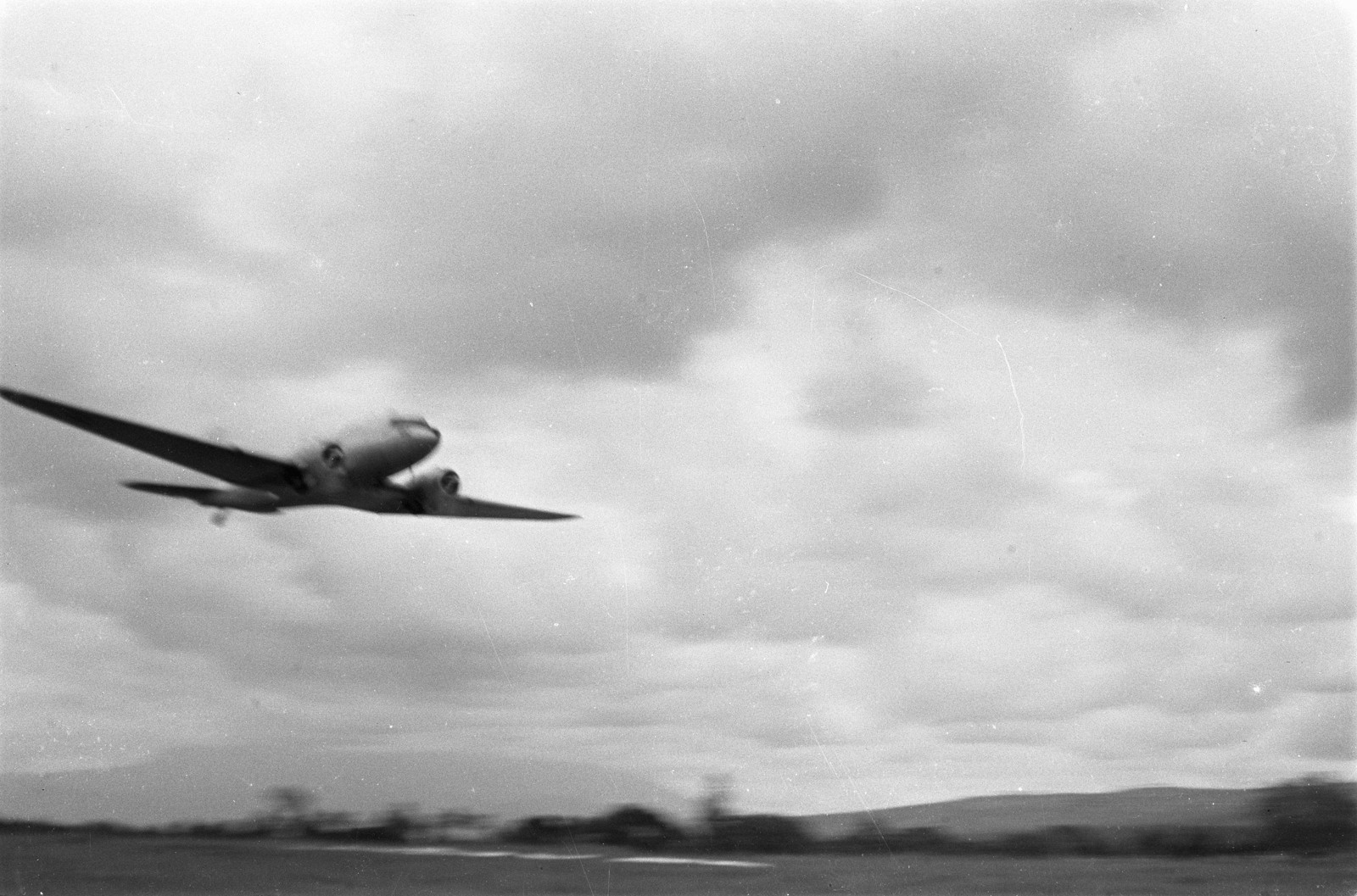
The Hump Route linked Assam in northeastern India with Kunming after Japanese forces cut the main overland supply route through Myanmar in 1942. Flights over the Himalayas carried Allied supplies to China until 1945, facing dangerous weather, mountains and enemy attacks. More than 1,000 Chinese and American aircrew members died along the route.
China and the US have cooperated on searches for missing American military personnel since the 1970s and established a formal mechanism in a 2008 memorandum. Officials at the handover described the work as humanitarian cooperation, with local residents and civilian museums helping teams reach remote sites.
The US Defense POW/MIA Accounting Agency will conduct DNA analysis, review historical evidence and compare military records after the remains arrive in the US. Families will be notified only after an identification is confirmed. The handover therefore begins a further forensic process rather than establishing who the fragments belonged to.