IMF reaches staff-level agreement with Armenia on a 262 million dollar climate resilience facility
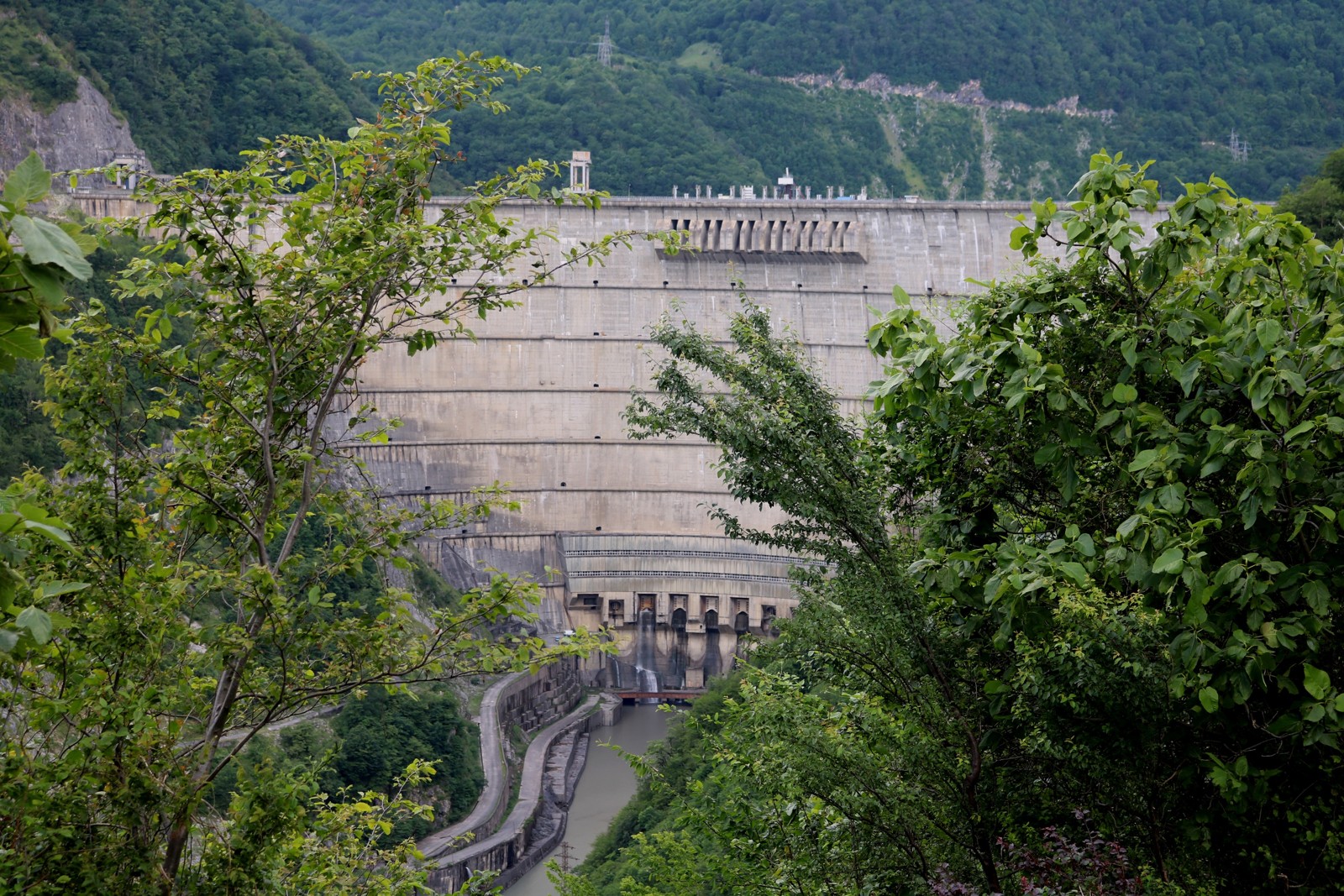
The International Monetary Fund has reached a staff-level agreement with Armenia on the second review of its three-year Stand-By Arrangement and on a new 262 million dollar climate resilience programme, with both agreements expected to go before the Fund's Executive Board in December. Approval of the second review would make a further 25 million dollars available, bringing total access under the arrangement, launched in December 2025, to about 75 million dollars, the Armenian central bank said on November 12. The Stand-By Arrangement is treated as precautionary, so available financing should not be confused with money already drawn.
The proposed Resilience and Sustainability Facility would provide access to up to 193.2 million special drawing rights, about 262 million dollars, subject to successful completion of four reviews over the next two years. The Stand-By Arrangement supports macroeconomic stability and structural reforms, while the new facility will finance measures to strengthen resilience to natural disasters and climate-related shocks, including improvements in water and electricity management, disaster risk preparedness and climate data reporting.
Slower growth, rising inflation
Armenia's economy is expected to grow by 5.5 percent in 2026, down from 7.1 percent in 2025, while inflation is forecast to reach 4.8 percent by year-end, above the central bank's 3 percent target. 'Downside risks to the outlook stem largely from the challenging geopolitical environment, including the Middle East conflict, which puts upward pressure on inflation and could negatively affect exports,' said Alexander Tieman, who led the Fund's mission. The government forecasts a fiscal deficit of 4 percent of gross domestic product this year, while its draft 2027 budget targets a reduction to 3.4 percent. The Fund also welcomed recent interest rate increases by the Central Bank of Armenia, which raised its policy rate by a cumulative 50 basis points in September and November to contain inflationary pressures.