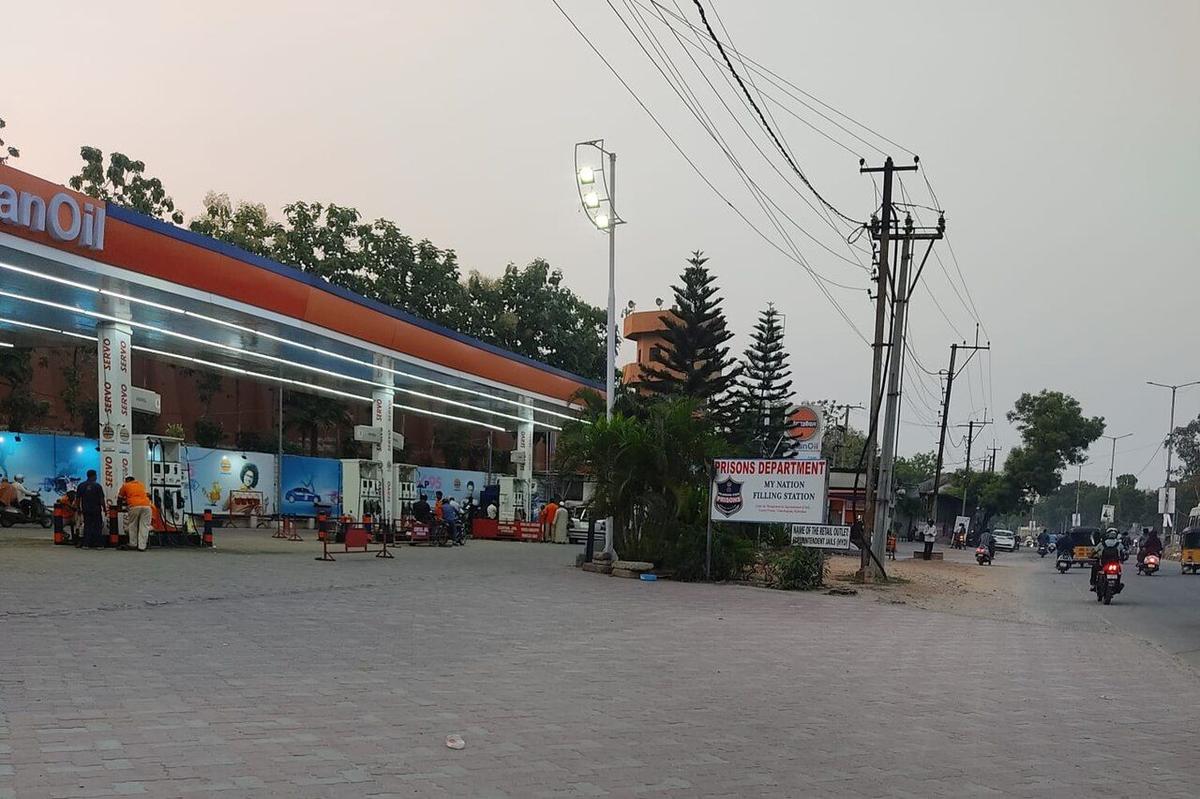
Fuel from cattle dung: foundation laid for new bio-CNG plants in Gujarat
Prime Minister Narendra Modi laid the foundation stone on 30 October for two new Banas Dairy bio-CNG plants, in Radhanpur taluk of Patan district and Tharad taluk of Vav-Tharad district in Gujarat.
The Radhanpur plant will be able to produce 1,350 kg of bio-CNG a day, and the Tharad plant 1,800 kg a day. Both are expected to be operational within about a year, after which Banas Dairy's total daily bio-CNG capacity will rise to 9,300 kg, or 9.3 tonnes.
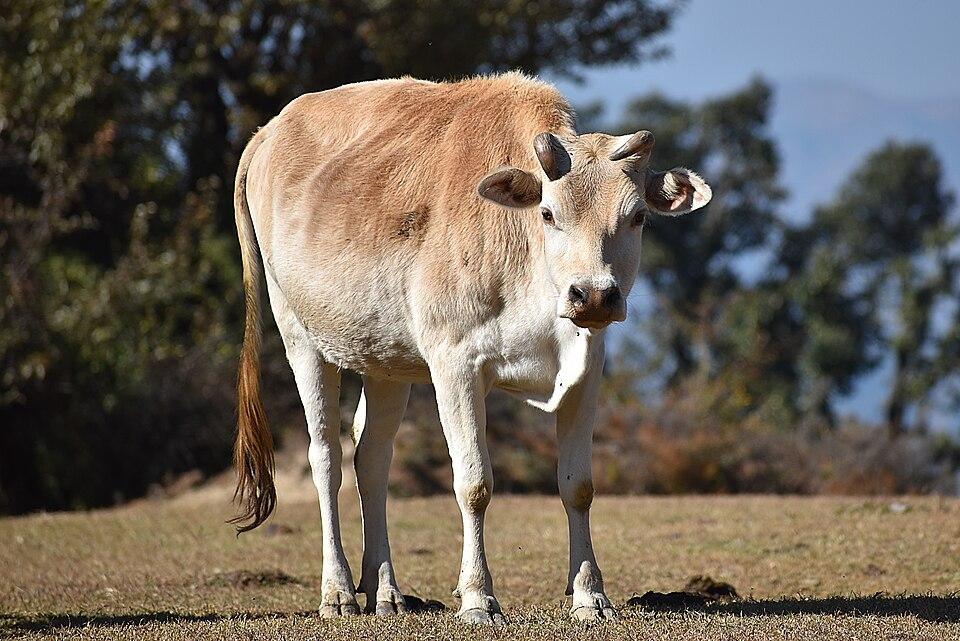
The fuel, made from cow and buffalo dung, can power vehicles such as cars and lorries. Banas Dairy has been producing bio-CNG this way since February 2020, selling it to drivers of cars, lorries and heavy vehicles while earning revenue alongside protecting the environment.
According to a World Bank report, India has the largest area of agricultural land in the world, and a government statement notes it also has the world's largest livestock population. That gives India vast potential for biogas and CNG production, which the government is trying to harness to cut the use of fossil fuels such as petrol, diesel, natural gas and coal in transport and power generation.
Biogas is also known as gobar gas. When cattle dung and crop residues decompose, they release gases including methane, carbon dioxide and hydrogen sulfide. Because the process happens fastest without oxygen, biogas plants use sealed tanks called anaerobic digesters, and the gas produced is purified for use as fuel.
Experts say the sector still faces challenges, including the continuous collection of raw material, the investment needed to set up plants, and production costs.