India buys EUR6.4 billion of Russian fossil fuels in October, CREA estimates
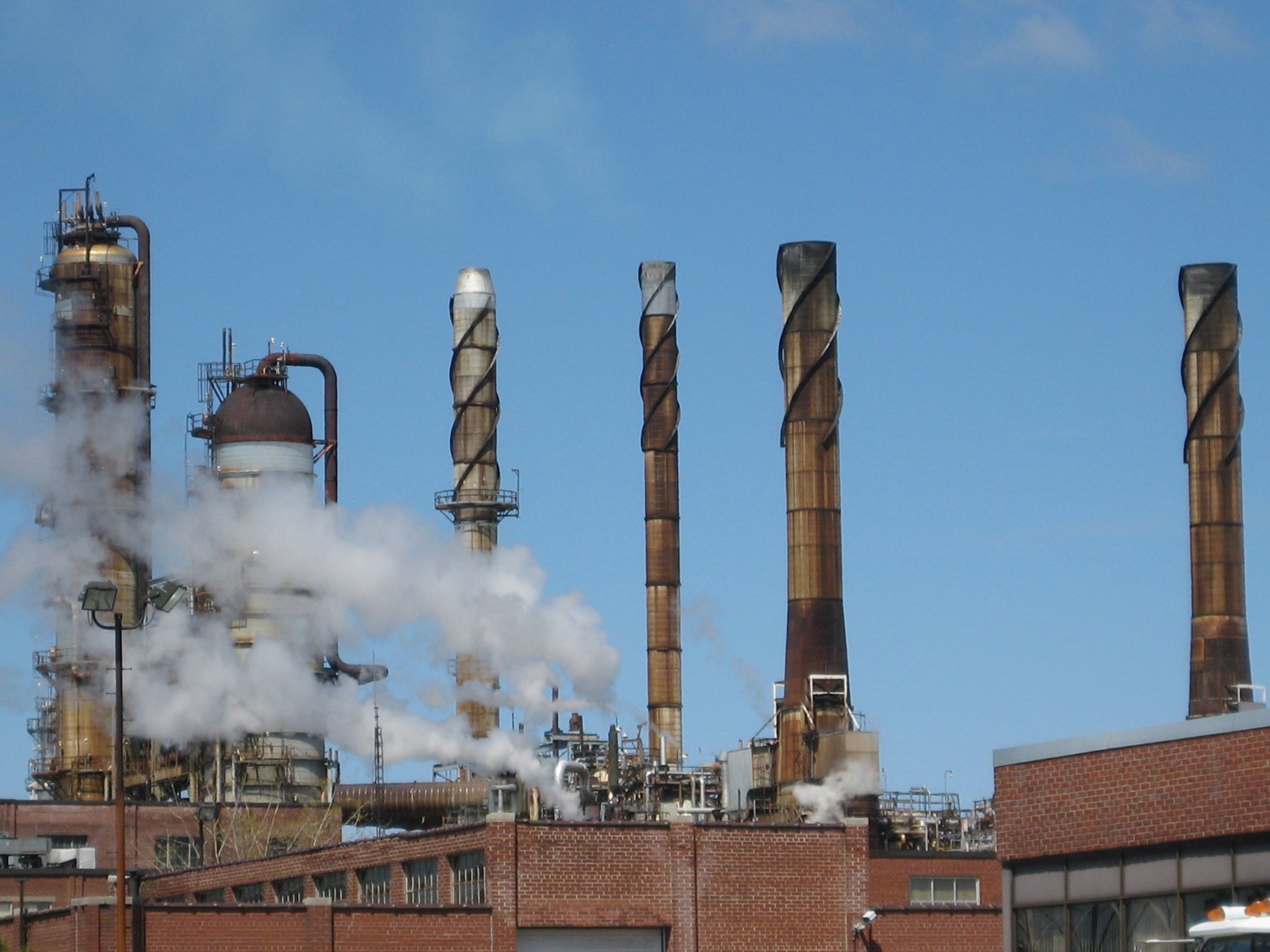
India purchased an estimated EUR6.4 billion of Russian fossil fuels in October 2026, its largest monthly total in data running back to January 2022, according to the Centre for Research on Energy and Clean Air. India was the second-largest buyer after China. Crude oil accounted for 91 percent of India's purchases, about EUR5.8 billion, with coal at EUR333 million and oil products at EUR232 million.
Russian crude volumes imported by India rose 10 percent from September. Purchases increased at Vadinar, Jamnagar and Paradip by 12, 22 and 28 percent respectively. The increase made Jamnagar the largest importer of seaborne Russian crude that month. These are month-on-month changes in volumes; they are different from the euro value of the total fossil-fuel bill.
Refined-product flows draw attention alongside crude purchases
Refineries in India, Turkiye and Brunei using Russian crude exported EUR1.6 billion of oil products to sanctioning countries, including the EU, Australia, the US and New Zealand. CREA estimated that EUR389 million of those products were refined from Russian crude, while export volumes from the refineries to those markets rose 21 percent. Ten of twelve shipments from refineries processing Russian crude that arrived at EU ports departed Jamnagar; two departed Turkiye's STAR refinery. CREA identifies these flows for scrutiny; a refinery's use of Russian feedstock alone is not a court finding about each cargo's legal status.
China bought EUR10.7 billion in Russian fossil fuels, the EU EUR2.2 billion, Turkiye EUR1.1 billion and South Korea EUR488 million. Russia's overall fossil-fuel export revenue rose 14 percent month-on-month to EUR754 million a day, the highest monthly level since December 2022, while volumes were broadly unchanged. Crude revenue rose 19 percent to EUR449 million a day; seaborne crude revenue rose 23 percent to EUR352 million a day.
CREA linked higher earnings to elevated global prices around the Strait of Hormuz energy crisis. It put October Urals crude at US$101.70 a barrel against an EU-UK cap of US$44.10, and said sanctioned shadow tankers carried 60 percent of Russian seaborne oil, with G7-plus-owned or insured vessels carrying another 37 percent. Its estimate that a fully enforced US$30 crude cap could cut crude revenues by 21 percent, or EUR2.2 billion, is a counterfactual calculation. Lower crude and product caps together were estimated to cut total seaborne oil revenue by 25 percent, or EUR3.4 billion; those reductions did not actually occur.