Iran awaits US response to peace conditions as accounts of talks diverge
Iranian security official Mohsen Rezaei has denied claims that talks with Washington are continuing and said Tehran awaits a clear US response to seven conditions for peace negotiations.
He said Iran would not allow enriched nuclear material to leave the country and warned that new US strikes would bring attacks on distant US bases. These are Iran's declared positions, not evidence that a new attack has begun.
Iranian officials have referred to sanctions, the US naval blockade and fighting on several fronts among their demands. The full list of seven conditions has not been publicly released, and the amount of highly enriched uranium that survived earlier attacks remains unclear.
US President Donald Trump has described positive momentum towards ending the conflict. The differing accounts do not establish that an agreement has been reached or that the Strait of Hormuz has reopened.
Earlier report (2026-11-09)
Iran has defended a proposal to restart peace talks in as few as two days, calling it the most reasonable offer on the table, after US Secretary of State Marco Rubio dismissed some of Tehran's conditions as "outrageous and ridiculous".
"Is it unreasonable that Iran demands that US illegal sanctions and its naval blockade must be lifted before negotiations start and that the war should end on all fronts?" Foreign Ministry spokesman Esmaeil Baghaei told a weekly press conference in response to Rubio's remarks.
Tehran shortened its earlier seven-day proposal for resuming talks to two days. The offer calls on Washington to first meet conditions that include halting hostilities, lifting the blockade and waiving sanctions before negotiations begin.
Baghaei also said US pressure on Iraq to close most of its borders with Iran should not affect ties between Tehran and Baghdad, after Iraq's foreign minister said Washington was pushing for such a move. He described a US military task force aimed at restricting Iran's land trade as a diversion following the Republicans' losses in the midterm elections.
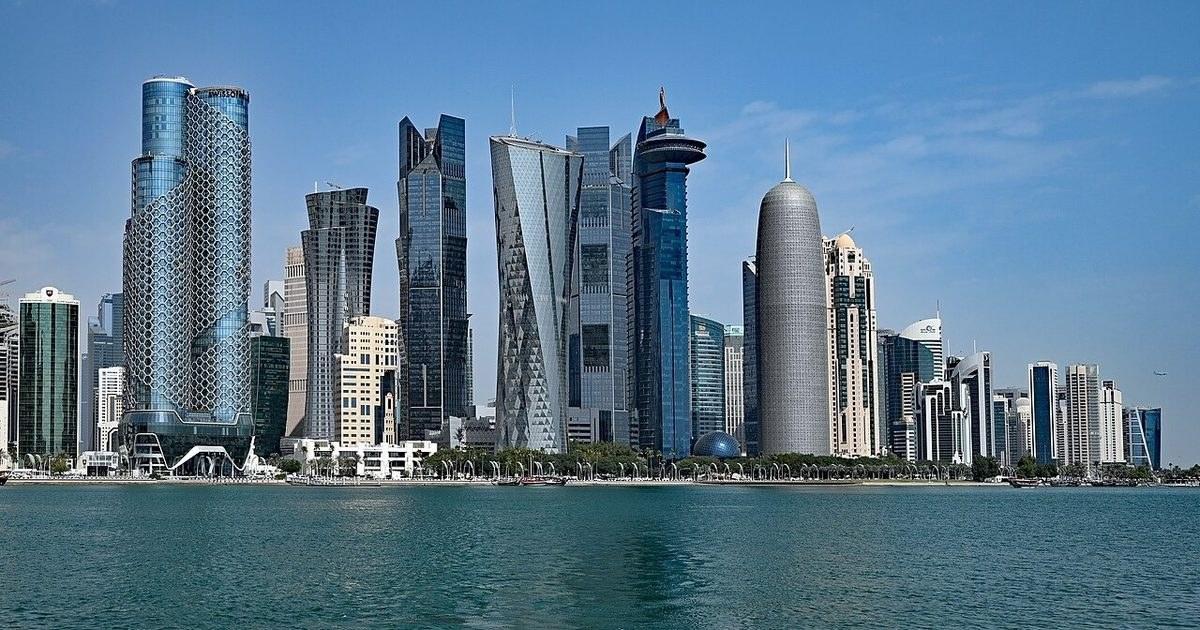
UPDATE: US President Donald Trump is set to hold closed-door talks at the White House with Qatar's Prime Minister Sheikh Mohammed bin Abdulrahman Al Thani, with Vice President JD Vance also scheduled to meet him, as Doha's mediation becomes the main channel between Washington and Tehran. Iran sent its latest nuclear and peace proposal through Qatari mediators last week, saying it could be discussed only after Washington meets Tehran's seven demands; US officials say the proposal is under examination. The diplomatic push comes amid suggestions by Trump that the US could resume full-scale strikes on Iran, after Iranian Foreign Minister Abbas Araghchi warned that Tehran would "rain down hell" if attacks resume. The UN nuclear watchdog says Iran holds 440.9 kilograms of uranium enriched to 60 percent purity, a short step from weapons grade; enrichment was stepped up after the US withdrew from the 2015 nuclear deal in 2018.
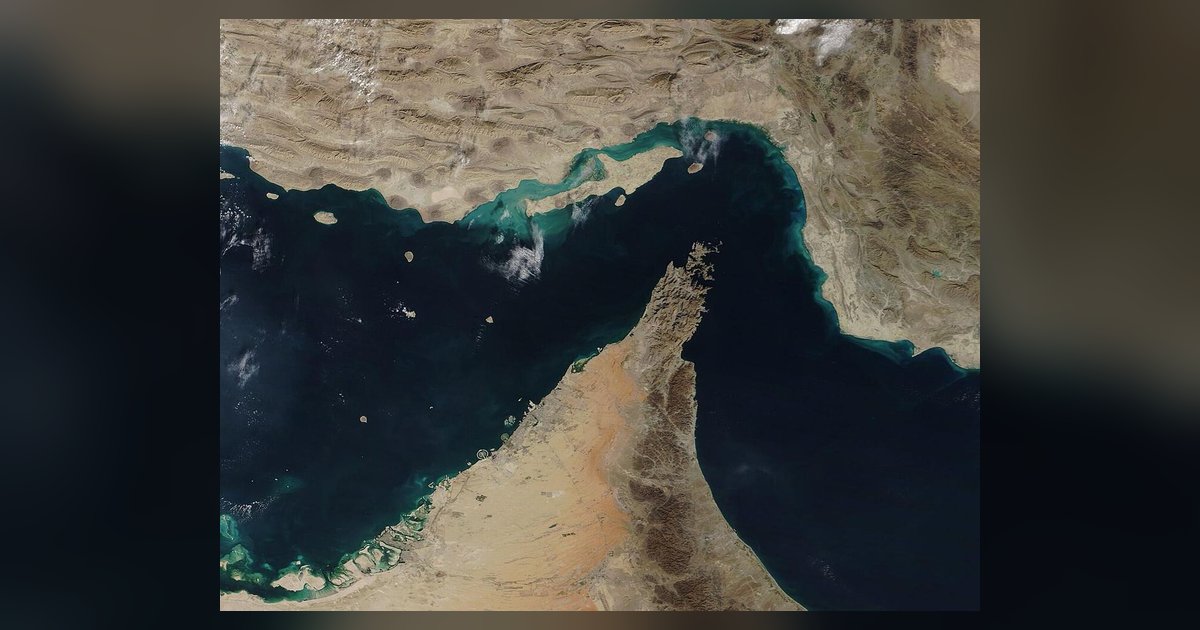
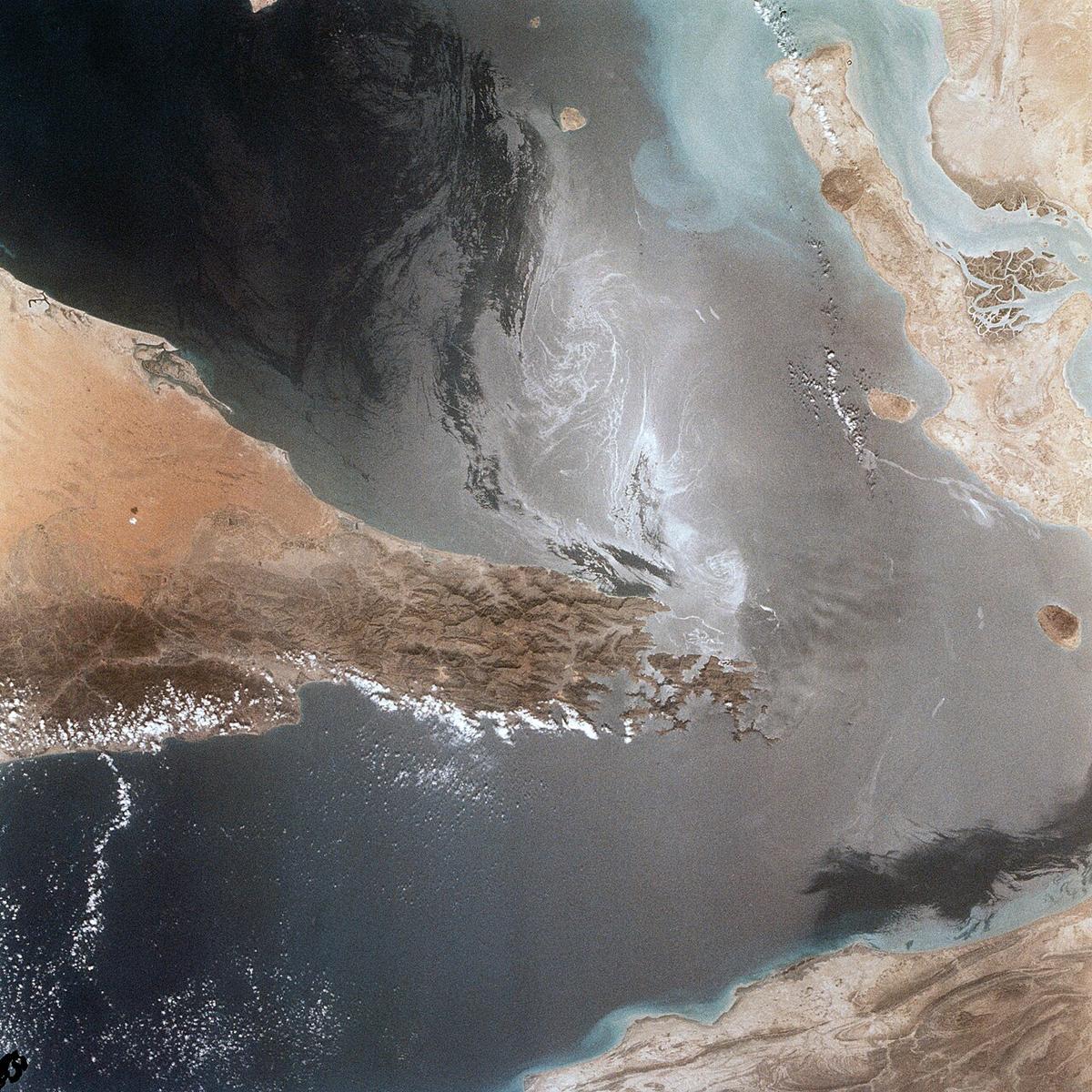
UPDATE: Iranian officials said overnight US strikes targeted Qeshm island on Monday. Hormozgan's deputy governor Ahmad Nafisi said residential areas, businesses and major infrastructure were not damaged. Washington had not directly confirmed those particular strikes; Marco Rubio described recent operations around Qeshm as defensive. Tehran said the pressure would not alter its seven conditions for ending the war, including lifting the naval blockade and easing sanctions.
Iran also disputed Washington's claim that naval mines had been removed from the Strait of Hormuz and continued warning ships against unauthorised routes. These competing accounts could not be independently confirmed. Tehran said it would not surrender its enriched uranium but remained open to reducing its enrichment level, while mediation continued to avert a wider return to fighting.