The medical physicist the University of Jaffna gave the world: the inspiring journey of Professor Dr Jeyasingam Jeyasugiththan
A university's true pride lies not only in its buildings or graduation ceremonies but in the scientific, educational and social contributions its students make to the world. On that measure, Professor Dr Jeyasingam Jeyasugiththan stands among the finest alumni of the University of Jaffna, with notable work in medical physics, nuclear science, radiation protection, cancer radiotherapy and the use of artificial intelligence in medicine.
Professor Jeyasugiththan earned his Bachelor of Science Honours degree in physics from the University of Jaffna in 2001, then worked as a demonstrator in its physics department. He went on to a master's degree in medical physics from the University of Peradeniya, and completed his PhD in 2014 at the University of Cape Town in South Africa, researching medical physics and proton-beam radiotherapy.
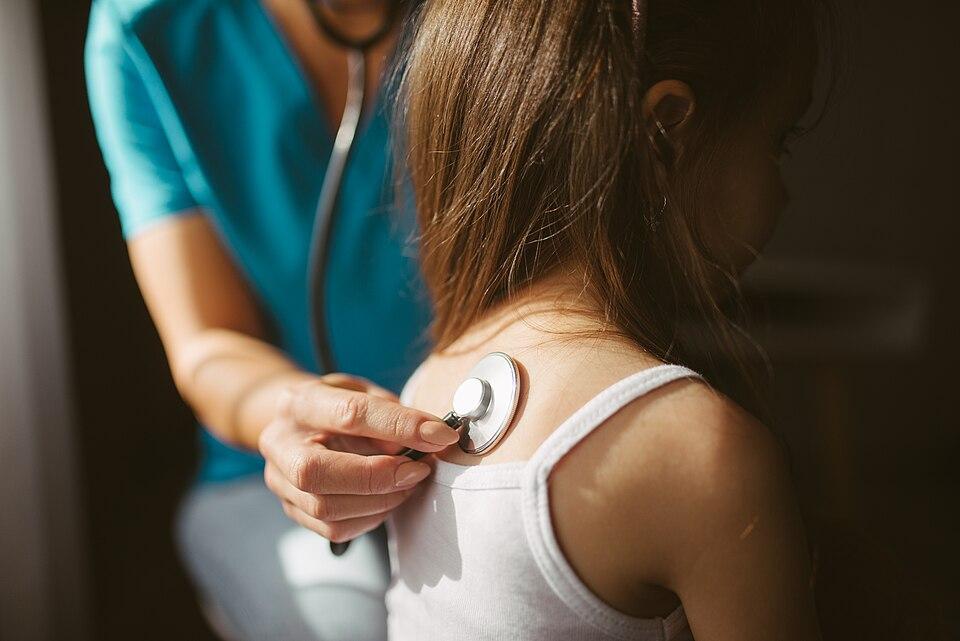
He worked as a medical physicist at the Tellippalai cancer treatment centre in Jaffna and later served for several years in the Clinical Oncology department of Jaffna Teaching Hospital. In cancer radiotherapy, the medical physicist plans the precise radiation dose to target a patient's tumour, protects healthy organs, verifies the accuracy of treatment machines and monitors patient safety.
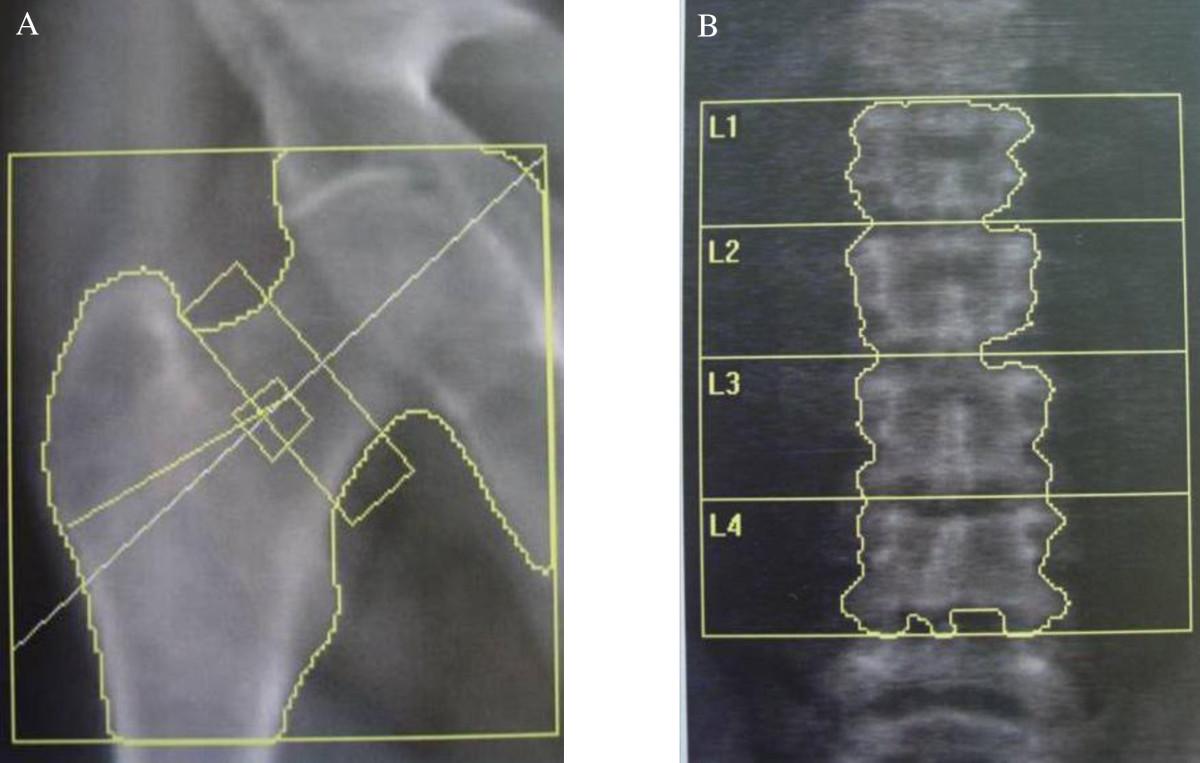
One of his main research areas is proton radiotherapy. He has studied methods of measuring the prompt gamma rays produced when proton beams interact with human tissue, using that information to verify treatment in real time, and built and evaluated computer models of proton treatment beam systems and radiation-detection devices with the Geant4 Monte Carlo simulation technology. His research also covers assessing the radiation doses patients receive in Sri Lanka during X-ray, CT, mammography, PET-CT, dental imaging and brachytherapy.
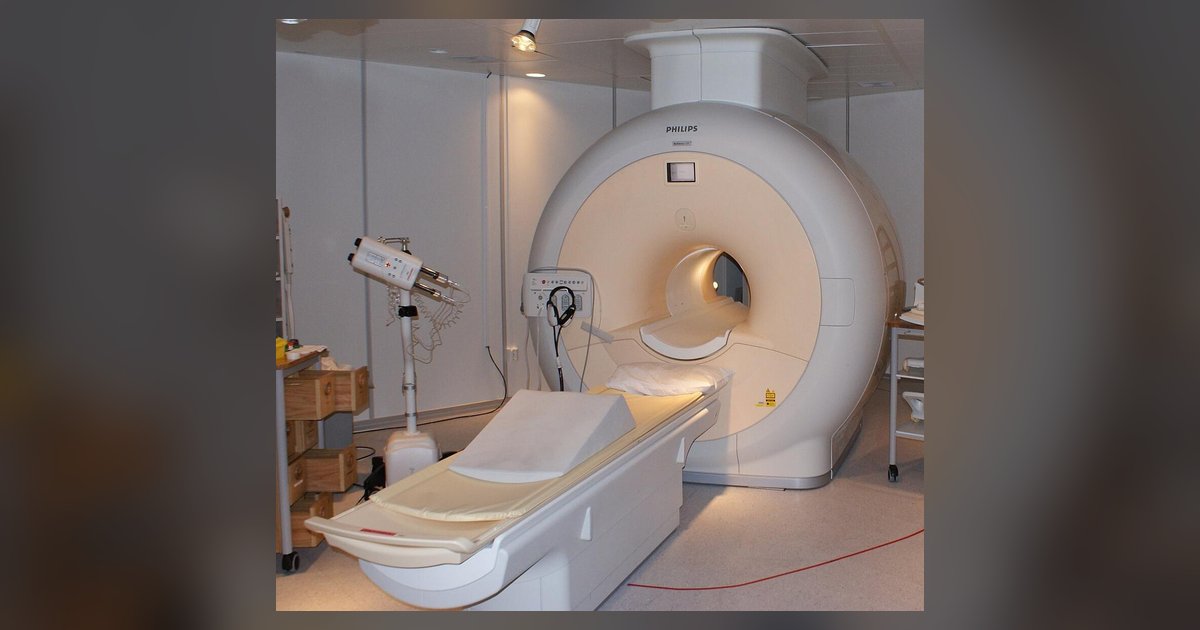
Recognising that AI is rapidly transforming medical physics, imaging and radiotherapy, he has contributed to research using MRI images, radiomic features and machine-learning methods to identify and classify stages of disease. He stresses that technical capability alone is not enough when AI enters medicine: patient safety, quality assurance, clinical validation and responsible implementation deserve equal weight, and future medical physicists should build skills in AI, programming, data analysis and research methods.
Professor Jeyasugiththan is now Professor of Medical Physics in the Faculty of Science at the University of Colombo and head of its nuclear science department. He has also coordinated the postgraduate programme in medical physics, and serves as national project coordinator for International Atomic Energy Agency projects. He has published more than 25 papers in international peer-reviewed journals and over 50 research abstracts at national and international conferences.
The University of Colombo honoured him with its Vice-Chancellor's Award for Research Excellence for 2024. He has also received the National Research Council Merit Award, several fellowships from the International Atomic Energy Agency and the International Centre for Theoretical Physics, international training opportunities and research funding support.
His journey from a physics student in Jaffna to one of Sri Lanka's leading medical physicists represents international recognition of the University of Jaffna's educational quality and the intellectual strength of the north of the island.