Traces of Jaffna's music in the tune of the Indian national anthem? Surprising matches from an AI study
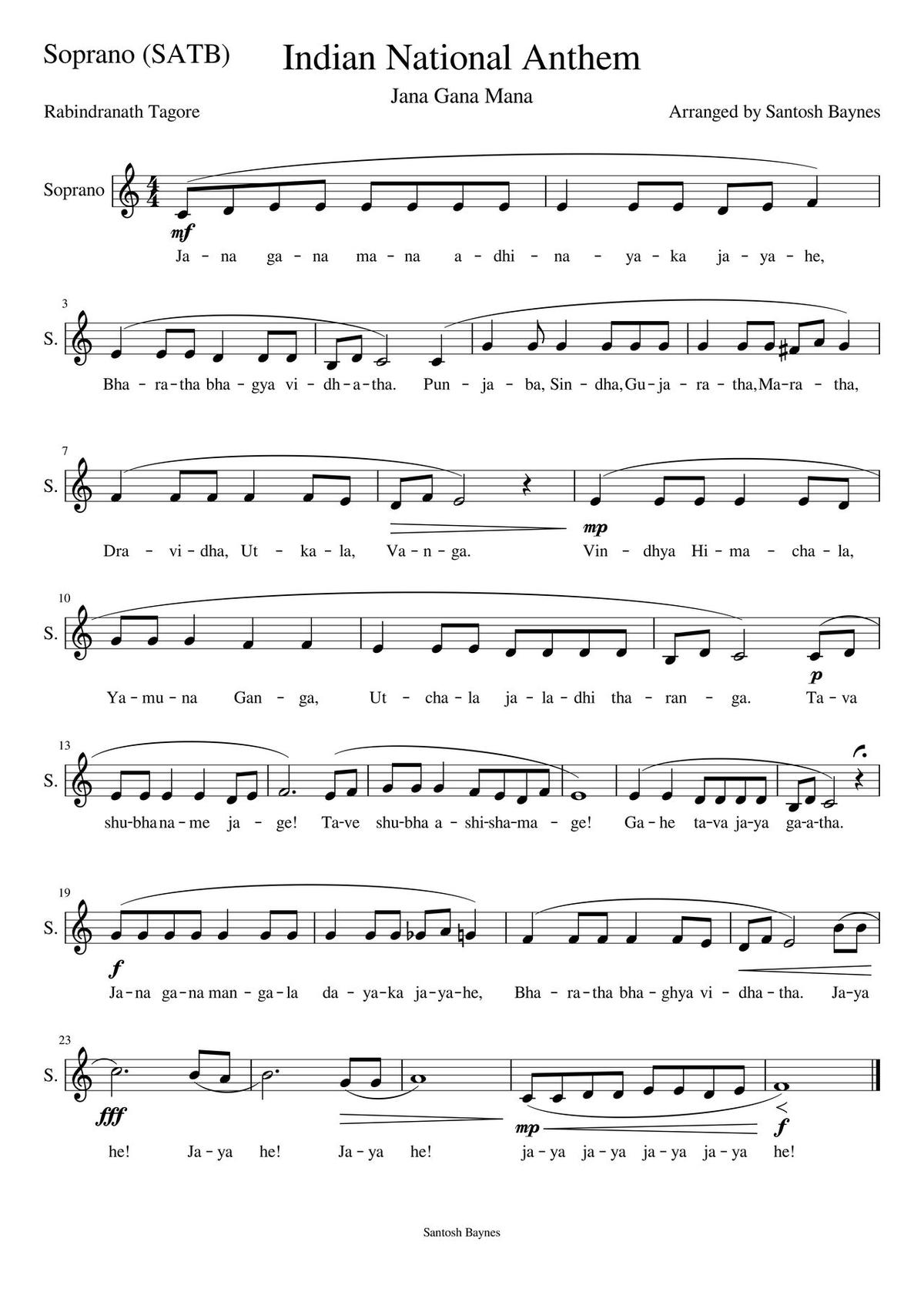
Is there a musical connection between Rabindranath Tagore's "Jana Gana Mana" and the anthem of Jaffna Hindu College, one of Sri Lanka's most historic schools? A study compared the two original recordings using mathematics, artificial intelligence and computational musicology methods.
"Jana Gana Mana," composed in Bengali by Nobel laureate Rabindranath Tagore, was first sung on December 27, 1911, at the Indian National Congress session in Calcutta. After independence, India's Constituent Assembly officially adopted it as the national anthem on January 24, 1950. Its composition belongs to the Rabindra Sangeet tradition.
Jaffna Hindu College, founded at the end of the 19th century, is one of Sri Lanka's renowned educational institutions. According to the college's official historical records, its anthem "Vazhiya Yazhnagar Hindu Kalluri" was written by Vidwan K. Karthigesu and set to music by Vidwan S. Arumugam.
But the study found an important historical gap: no firm document has yet been obtained establishing the year in which the college anthem's original tune was composed. Because the college was founded before 1911, it cannot be concluded that its current anthem was also composed before then - a key point when examining any historical link between the two anthems.
The computer comparison of the recordings recorded a maximum average Chroma similarity score of 0.992 between selected segments and a maximum time-series-based score of 0.594, showing mathematical similarities in some musical features - without proving the melodies are identical or that one derived from the other.
Whether the two anthems arose from a shared musical tradition, by coincidence, or through the influence of one on the other remains an open question for further historical research.