Inside China South City, the Shenzhen hub where big Amazon sellers are made
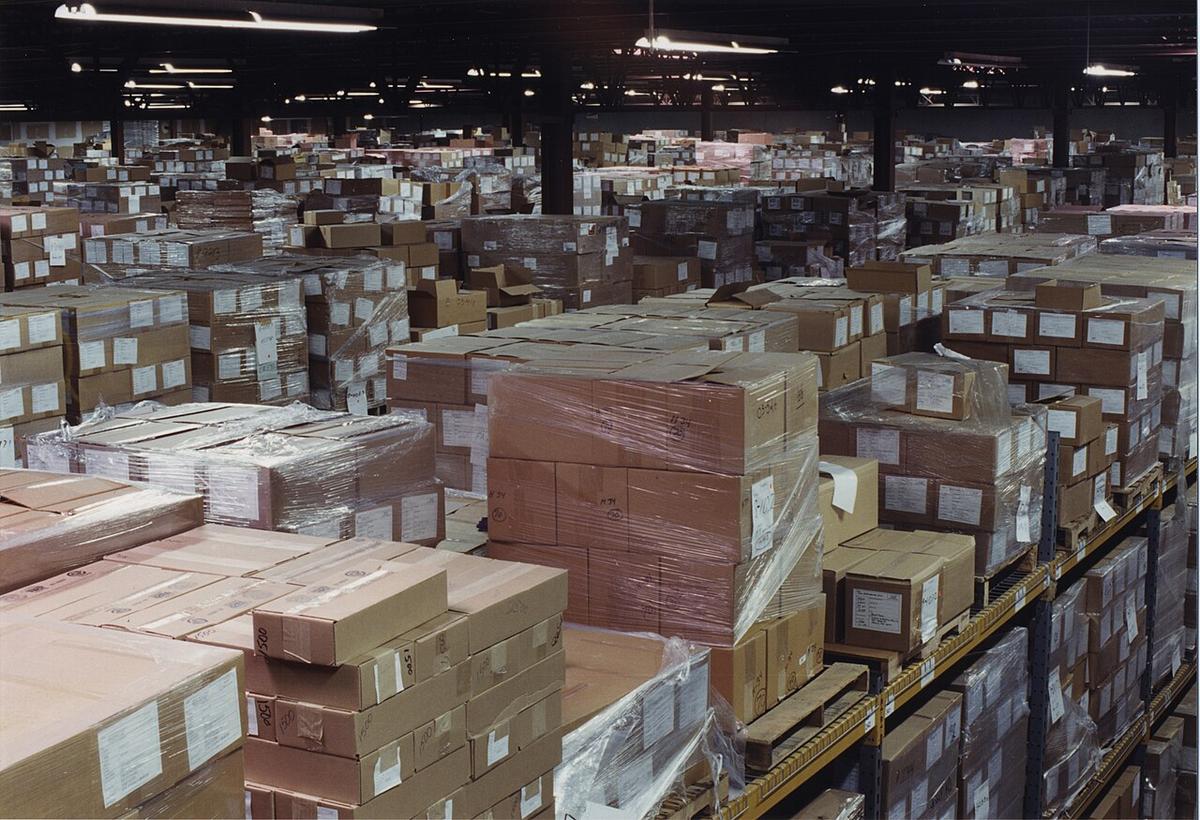
A recent first-hand report from China South City in Shenzhen, widely described as a Mecca for Chinese Amazon sellers, offers a look inside the complex where many of China's biggest e-commerce sellers operate and where both white hat and black hat marketplace tactics are developed.
The building houses thousands of sellers, from giants like AUKEY and Anker to small operations, alongside affordable on-site access to every service a seller needs: logistics, product photography, packaging, and more. The proximity creates a mastermind environment where sellers share knowledge and strategy, and the Chinese government actively subsidizes the cluster for its role in driving e-commerce exports.
The report also documents the darker side. Many sellers historically bought fake reviews to boost rankings, a practice that triggered Amazon's mass suspensions in 2021 and 2022, wiping out some businesses overnight. Duty evasion remains common through under-declared shipment values and falsified HS codes, with limited enforcement.
In advertising tactics, practitioners are sharing best practices for Sponsored Brands Video ads: hook viewers in the first three seconds, assume sound is off (fewer than 5 percent of shoppers turn it on), keep videos under 15 seconds with minimal bold text, avoid white backgrounds that blend into search results, show the product immediately with lifestyle imagery, and always include a call to action. Cookware brand HexClad is cited as a strong example.
AI video tooling keeps expanding: Amazon sellers can now use Luma AI's Ray2 model inside Amazon Bedrock to generate realistic 5- to 9-second product clips from text prompts, stored in S3 for easy integration, and HeyGen's new Product Placement feature lets sellers upload a product image and place it on AI avatars for ads and product pages.
On the branding side, the power of sound is getting fresh attention. Swiss cough-drop maker Ricola broke into a U.S. market where Halls and Vicks held roughly 67 percent of sales in 1987 by building a yodel-based sonic logo, and Coca-Cola has run 'try not to hear this' image campaigns that exploit synesthesia, the crossing of sight and sound. Sellers are being encouraged to consider what their products sound like.