Lightning Ridge history debate reaches beyond rival opal-mining signs
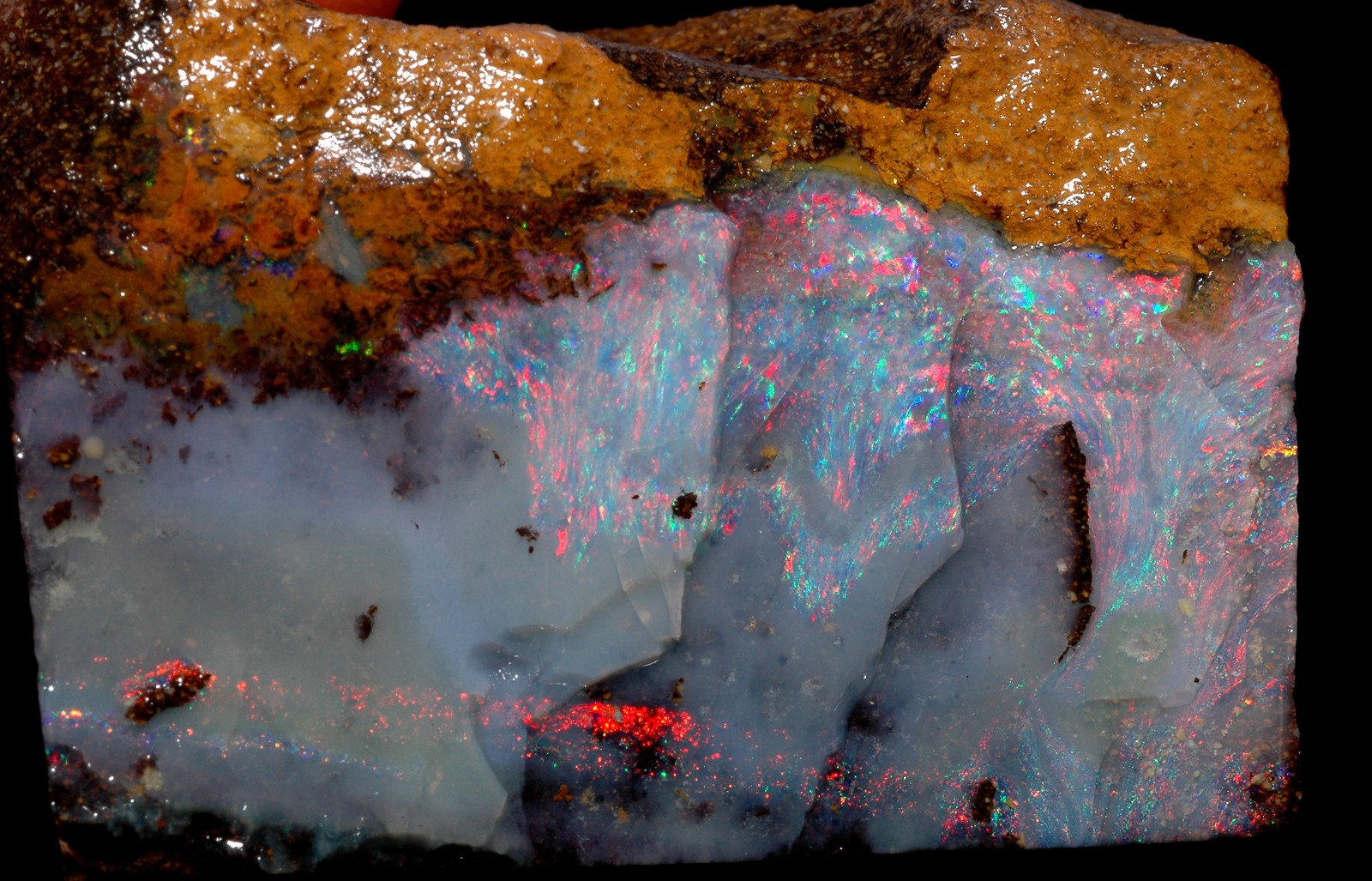
Illustrative Lightning Ridge opal specimen from a collection, published in 2007; not a new discovery linked to the history dispute.
A dispute over Lightning Ridge's opal-mining past is being played out on the objects that guide visitors through the outback town: painted car doors and rival handwritten car bonnets. Beneath the argument about which miner deserves recognition is a wider question about whose history the tourism industry tells, and how it should include the much older knowledge of Yuwaalaraay Country.
The northern New South Wales town is internationally associated with black opal. Mining fortunes, abandoned shafts and improvised buildings have left a landscape rich in stories, but the interpretation of those stories remains contested. Even its population is difficult to pin down: the official figure is about 2,000, while local informal estimates reach around 5,000.
Four routes marked with car doors
Historical society secretary Barb Moritz arrived from the United States in 1990 and began working with the society three years later. Conversations with older residents, miners' ledgers and more than a century of newspaper material helped shape the account she now presents from the society's headquarters, a miner's cottage built in 1932.
In the late 1990s, the society used that research to develop four self-guided car-door tours, marked green, red, yellow and blue. The signs are now landmarks in their own right. Residents and emergency services also use them to find people living on remote claims beyond the town's main streets.
One route leads to the McDonald's Six-Mile opal field and a monument to Charles Nettleton, a professional miner who arrived from Victoria in 1902. His initial attempt did not find opal, but the society credits him with a foundational role in the industry. Moritz helped establish the monument and historical reserve.
The exact shaft Nettleton first dug is no longer known. Moritz acknowledges that the society selected a visible, accessible shaft so visitors could appreciate the industry's beginnings. That practical choice is one of the issues challenged by local miner Peter Glogauer.
A rival account on white bonnets
Glogauer, who grew up around the fields and was once a society member, says maps and records led him to question the accepted version. About two years ago he began installing white car bonnets bearing names, dates and accounts of early discoveries. He describes it as an effort to correct the historical record, not a plan to create a competing attraction.
He argues that boundary rider John "Jack" Murray found black opal in 1901 and deserves clearer recognition. The familiar account is that Murray noticed a gem while setting rabbit traps. After Nettleton's unsuccessful work at Six-Mile, he joined Murray at Nobby's opal field in 1903. Glogauer says several miners were present before Nettleton arrived and claims the monument is about 95 metres north of Nettleton's actual first shaft. These are his historical claims, not settled findings of the dispute.
Moritz accepts that Murray may have collected opal on the surface but questions whether he initiated shaft mining. She stresses Nettleton's professional expertise. She also says the unaffiliated bonnet signs confuse visitors and do not belong to the recognised tourism routes. The disagreement is therefore about both interpretation of early mining and who controls the public account.
The two sides also disagree about a memorial associated with the town's name. Both recount a story of a drover and about 600 sheep killed by lightning before 1880. A society plaque placed in 1999 stands at a highway rest stop about 10 kilometres from town; Glogauer says the event occurred nearly three kilometres farther along. The precise location has been obscured by generations of retelling.
A history older than mining
Gamilaraay Yuwaalaraay woman Aunty Rhonda Ashby sees the ridges through a deeper history. She recounts the creation story of Baayami raising the ridges to look across Country, and a spiritual connection between the creator, lightning and the landscape. She describes Lightning Ridge as Law country, where special people gathered to discuss Aboriginal Law. These are accounts of living cultural knowledge, not merely background to a mining story.
Elder Aunty Brenda Mcbride says visitors should hear local Aboriginal history before following the car-door tours. Knowledge held by Traditional Owners cannot be recovered solely from miners' books and newspaper archives. Ashby agrees that language place names and First Nations narratives could form part of the routes, while recognising that the existing markers are useful for finding the way.
Her wider hope is for Aboriginal people to lead tourism that shares Country's history, knowledge and ecosystems. That would give visitors more than competing accounts of the first opal shafts. It would place the mining era within a much longer story of land and people.
Illustrative Lightning Ridge opal specimen from a collection, published in 2007; not a new discovery linked to the history dispute.