Migraine diagnosis relies on symptom patterns rather than one definitive test
Migraine is usually diagnosed from a person's history and pattern of symptoms, rather than a blood test, scan or biopsy that proves the condition. A clinician asks how often episodes happen, how long they last, what accompanies them and whether there is a family history of migraine.
Symptoms can include recurring headache, nausea and sensitivity to light or sound. Pain may worsen with movement, but migraine does not always cause severe pain or affect only one side of the head. Some people have visual or other sensory changes called aura; others do not.
Keeping track of headache days, symptoms, possible triggers and the effect on daily activities can make a clinical appointment more useful. Sleep changes, stress and other circumstances may be relevant, but the pattern differs between people and even between attacks in the same person.
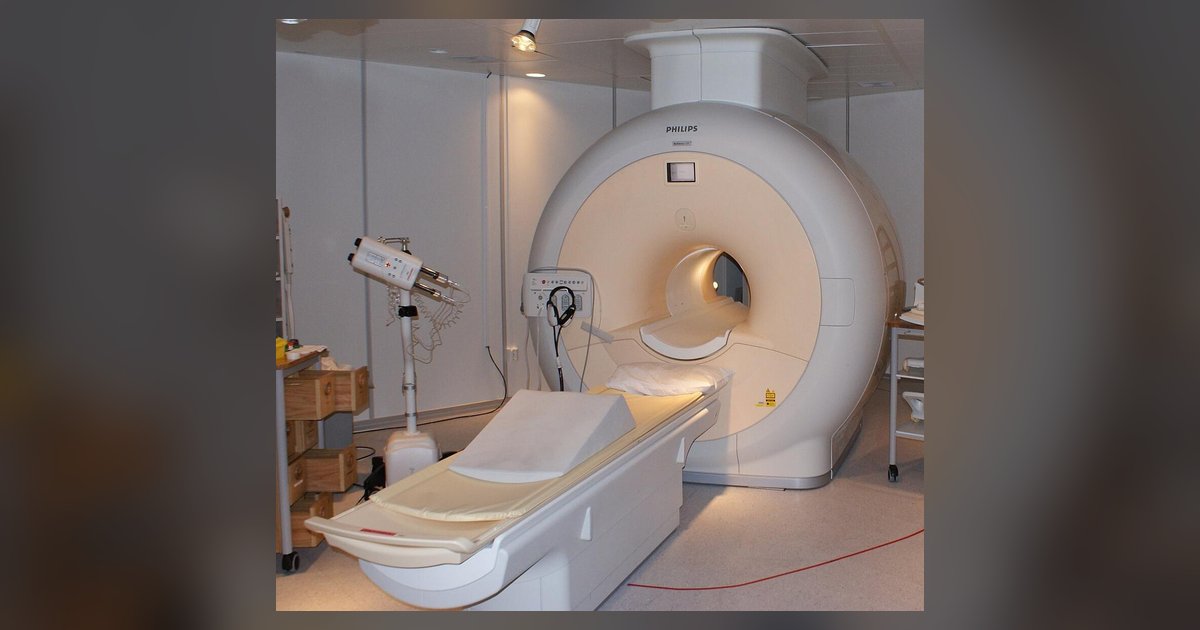
Imaging can help investigate other causes when the history or examination raises concern, even though it does not confirm migraine itself. Sudden severe headache, new weakness, difficulty speaking or walking, or a headache that is different from the usual pattern requires prompt medical assessment rather than self-diagnosis.
After diagnosis, treatment is tailored to the person's needs. It may include medicines for individual attacks and preventive treatment when episodes are frequent. The absence of a single confirming test does not mean the symptoms are imaginary or that medical assessment is unnecessary.