Murujuga debate weighs cultural heritage, industry and community benefit
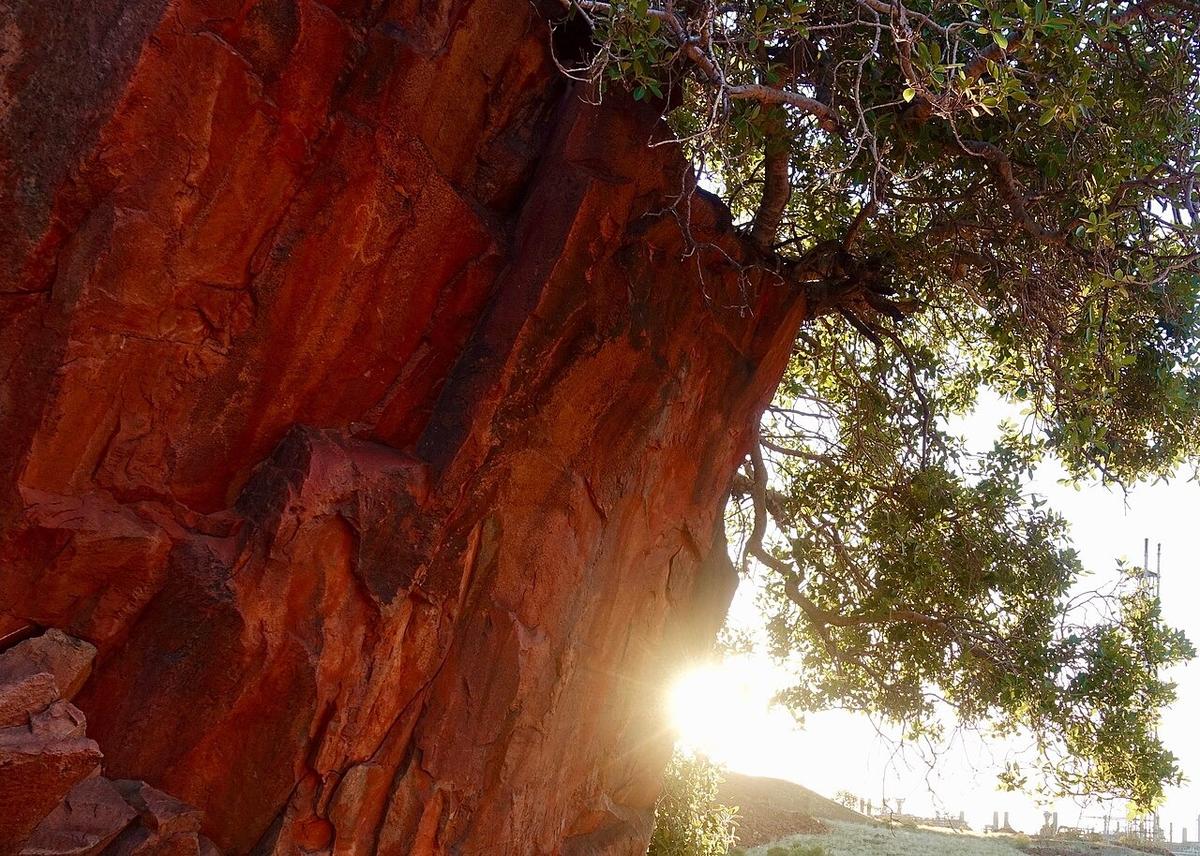
Traditional Owners and Custodians at Murujuga are questioning who benefits from industrial development alongside a World Heritage-listed cultural landscape. The area on Western Australia's Pilbara coast contains an extensive collection of ancient rock engravings as well as major gas and other industrial operations.
A central dispute concerns a 1998 land-access agreement with the North West Shelf venture. Some people familiar with the negotiations say Elders faced pressure and did not always receive independent advice. Woodside disputes suggestions the agreement was improperly negotiated and says it was reached with the registered claimants and their appointed negotiating team.
The company acknowledges that expectations for agreement-making have changed and says it is working with a Traditional Owner organisation to modernise arrangements. Questions about the agreement's execution remain difficult to resolve, particularly because many participants have since died. The allegations should not be treated as an established legal finding.
Community members also argue that industrial wealth has not brought comparable prosperity to nearby Aboriginal residents. The debate includes protection of living culture and rock art, the distribution of benefits and authority over future development. World Heritage recognition does not by itself resolve those questions or settle disputes about the terms of industrial access.