"Losing both of them at the same moment hit me very hard": son who drove his parents on their final journey after they chose to die together
(Reader discretion: this story contains information that may be distressing.)
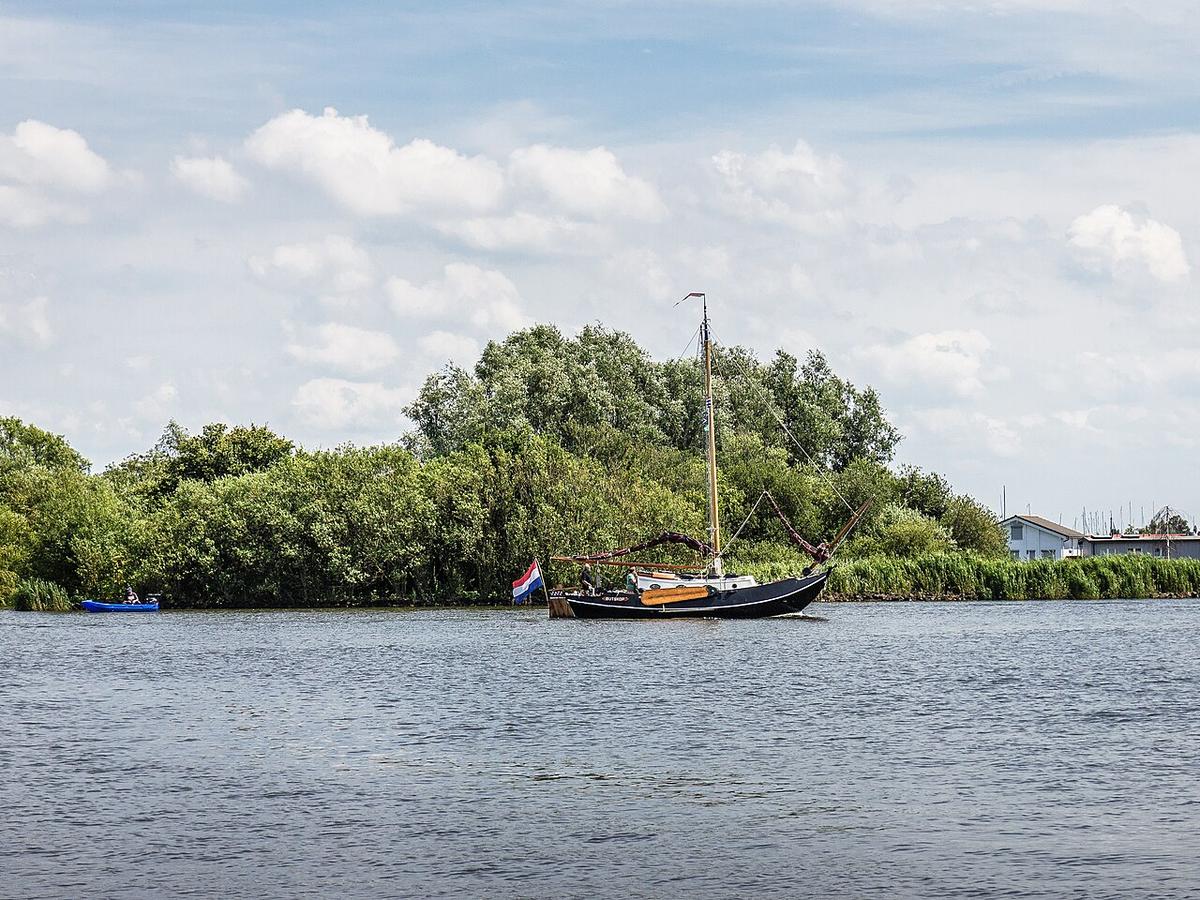
One early morning in June 2024, Bas parked beside his parents' campervan at a marina in the northern Netherlands. Jan and Els had spent most of their married life on the water; past 70 and unable to live on a houseboat any more, they were living near the harbour.
Bas drove them to a nearby hospice, where doctors would administer life-ending medication - what the Netherlands calls "duo euthanasia", legal but very rare. Years of cargo work on inland waterways had left Jan in constant pain, and Els had dementia. An interview they gave three days before their deaths drew worldwide attention; two years on, their only son is sharing his experience.
"My mother was firm in her decision, but my father was a little emotional," Bas says. When Jan asked, "Are we really making the right decision?", Bas was shocked - he had expected the hesitation from his mother. He had tried to get them to postpone, but had Els deferred, her Alzheimer's could have advanced until doctors no longer accepted her capacity to decide.
At the hospice, family and friends came and went for two hours; memories were shared and music played. Just before 10.30am the couple lay on adjacent beds. "Only three or four times had I seen them walk hand in hand. But now they lay holding hands. That gave me peace of mind that they were truly making this decision together," he says.
Afterwards, deep loneliness enveloped him. "I have no brothers or sisters. It was as if both my legs had been cut off," he says; grief left him unwell for weeks. "I would not recommend this to others. For my parents it may have been the best decision. But losing them both at the same moment affected me very hard."
In 2024, 9,958 people died by euthanasia in the Netherlands; 427 were dementia patients and 54 couples chose duo euthanasia. Doctors must confirm unbearable suffering and capacity to decide; for dementia patients the "right moment" is a heavy burden, says Dr Rosemarijn van Bruchem of Rotterdam's Erasmus Medical Centre. Euthanasia is banned in countries such as Britain.