New MPs arrive in New Zealand, but uncertainty over who will govern drags on
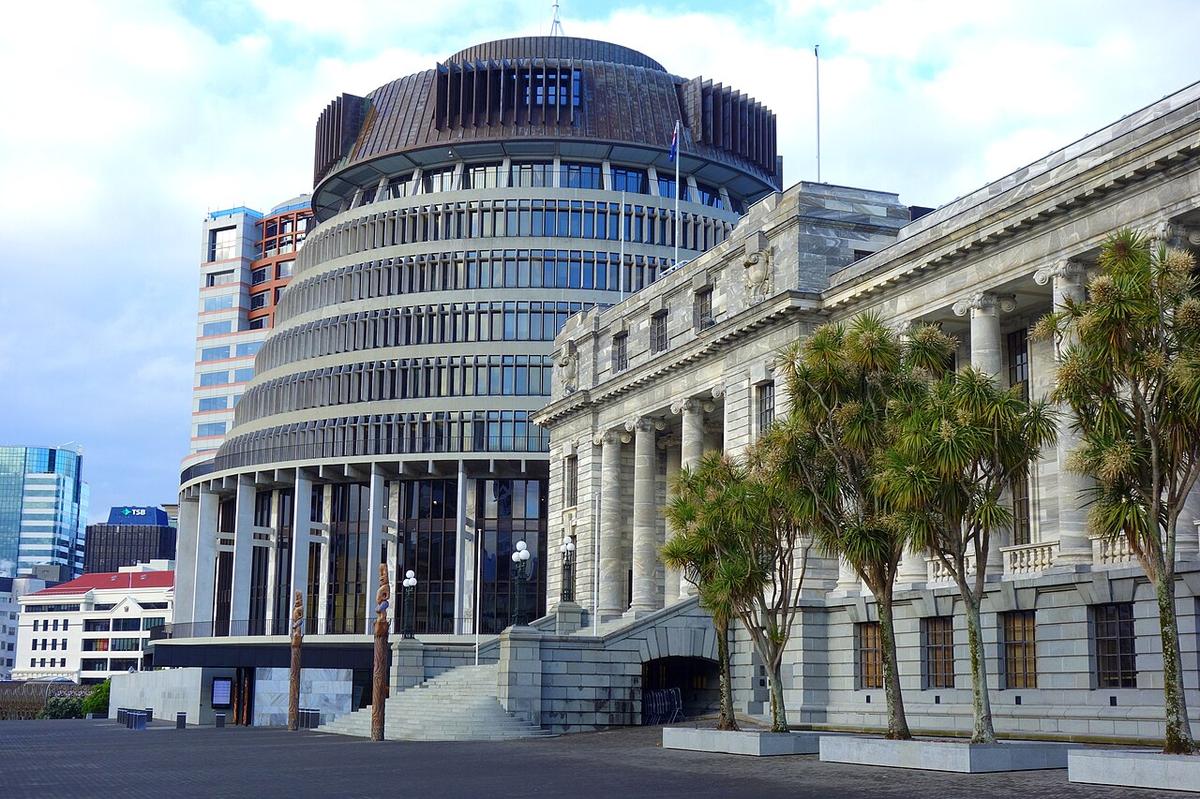
Dozens of newly elected members of parliament begin arriving at New Zealand's parliament this week, but the country may have to wait weeks to learn who will govern it. According to the electoral commission's preliminary results, the governing centre-right coalition of Prime Minister Christopher Luxon's National Party, ACT New Zealand and New Zealand First holds 67 seats in the 131-seat parliament, just one above the 66 needed for a majority.
However, about 400,000 votes, nearly 15 per cent of the total, have yet to be counted, and final official results are due only on 27 November. Both Luxon and opposition Labour leader Chris Hipkins have said formal coalition talks will begin only after the final results.
The close outcome has turned the seven new MPs of the centrist Opportunity Party, which entered parliament for the first time after crossing the 5 per cent vote threshold, into kingmakers. Its leader, Qiulae Wong, said her party group was meeting and preparing in Wellington. Hipkins and Green Party co-leader Chloe Swarbrick had both phoned her, the national broadcaster reported, and Luxon said he would call her soon, but Wong made clear no formal talks had begun.
The election also revealed deep voter frustration: Labour edged ahead in the popular vote, but National's dominance in electorate seats left the centre-right bloc narrowly in front. Voters turned to smaller parties in search of new answers to a weak economy, rising living costs and a strained health system. With Finance Minister Nicola Willis losing her seat on Saturday night, the question of who will be the next finance minister has also arisen. Westpac bank chief economist Kelly Eckhold said investors are watching the political uncertainty closely for its bearing on the New Zealand dollar and the direction of fiscal policy.