Ocean protection beyond the map: why Australian reserves need connected high seas
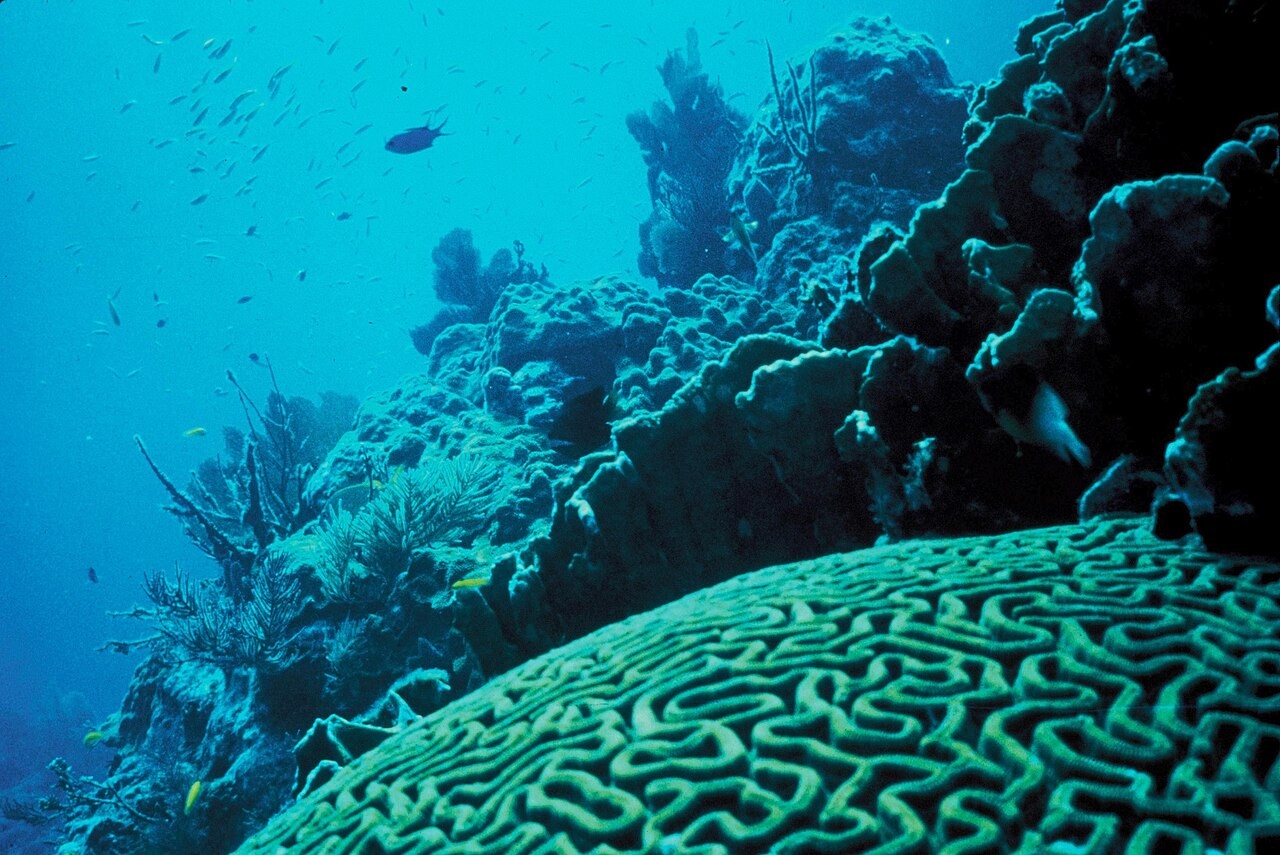
Australia has placed 52 per cent of its marine territory within protected areas, passing the global goal of conserving 30 per cent of land and oceans by 2030 in headline coverage. But scientists and conservation advocates say the area on a map is only the beginning: the rules inside reserves, their location and the protection of connected international waters determine how much marine life actually benefits.
The 30-by-30 commitment was agreed at the United Nations biodiversity summit in Montreal in 2022. With four years remaining, the 2026 Ocean Protection Gap assessment projects that existing progress and commitments would protect only about 12 per cent of the world's oceans by 2030. Australia's domestic lead therefore sits beside a much larger international shortfall.
Those concerns featured at the 17th UN biodiversity conference in Yerevan, Armenia, held from 19 to 30 October. Officials, scientists and advocates from 196 countries reviewed progress over two weeks. Australians attending argued that the country's record gave it an opportunity to lead, while warning that more action was needed at home as well as abroad.
Size alone does not describe the protection
Australia's ocean territory is far larger than its land area. Its network of more than 60 marine protected areas runs from northern tropical reefs to sub-Antarctic waters, providing habitat and refuge for animals such as dugongs, dolphins and turtles. Yet the activities permitted within different zones vary considerably.
Only about 24 per cent of Australia's marine territory is classed as highly protected, excluding uses such as commercial fishing and mining. The wider 52 per cent figure includes areas with less restrictive rules. Treating the two measures as interchangeable would overstate the level of protection.
High Seas Alliance director Rebecca Hubbard argues that location and zoning deserve as much attention as overall area. In her assessment, some highly productive habitats have been left open so fishing can continue, allowing valuable places to deteriorate even as reserve coverage grows.
Bottom trawling remains permitted across nearly 13 million hectares of offshore Australian marine parks, an area almost twice the size of Tasmania. That method drags heavy nets over the seabed and can affect sensitive habitats. Commercial trawlers also operate in general-use zones of the Great Barrier Reef Marine Park for prawns, scallops and squid. A marine-park designation does not itself mean every kind of fishing is banned.
A once-in-a-decade management review led by Parks Australia may strengthen some rules. Existing plans are due to expire in 2028, and proposed changes cover ecologically important places including Norfolk and Lord Howe marine parks. These are review proposals, not evidence that every suggested restriction has already taken effect.
The high seas link national efforts
Much of the ocean lies beyond national jurisdiction, so conservation within Australia's borders cannot work alone. National exclusive economic zones generally extend about 200 nautical miles from a coast; the high seas lie beyond those limits. International cooperation is needed to manage activities and species that cross them.
Australia ratified the Biodiversity Beyond National Jurisdiction Agreement, known as the High Seas Treaty, in September. The legally binding agreement provides a framework for protecting marine life beyond national borders, including establishing marine protected areas. The government confirms ratification allows Australia to help shape decisions about shared waters.
Marine ecologist Phebe Fidge, who attended the biodiversity conference with the Global Youth Biodiversity Network, describes the previous gaps in international governance as leaving excessive freedom for exploitation. She says resources beyond national borders still matter to Australians and should not be managed as though events there have no domestic consequences.
Migrating animals do not stop at a border
Southern bluefin tuna illustrate the connection. They spawn in the Indian Ocean south-east of Java and later move through temperate waters around Australia. Heavy fishing in one part of their range can reduce the population available elsewhere, weakening the benefit of protection in Australian waters and threatening the fisheries that depend on it.
Deep-sea mining proposals in the Pacific raise another concern because removing mineral and metal deposits from the seabed may affect connected ecosystems. Fidge argues that management should reflect the ocean's physical and biological links rather than relying solely on political boundaries.
Loggerhead turtles and wandering albatrosses travel thousands of kilometres between feeding and breeding areas. Humpback whales move between cold polar feeding waters and warm tropical breeding lagoons. Protected areas in international waters could secure parts of those routes against some industrial pressures, rather than conserving isolated points that animals leave during migration.
Hubbard says a global network needs to be representative and connected. Individual special places remain valuable, but protecting a chain of habitats is necessary for animals whose lives depend on more than one ocean region.
The gap is financial as well as geographical
The Ocean Protection Gap Report and the 30-by-30 Global Assessment put currently designated protection at about 10 per cent of the world's ocean, including less than 2 per cent of the high seas. Their 12 per cent projection for 2030 falls far below the agreed goal, showing that national announcements have not yet added up to a connected global system.
The annual cost of meeting the ocean target is estimated at about US$16 billion, roughly A$24 billion. Current global spending is about US$1.8 billion, roughly A$2.6 billion. That leaves an annual gap of around US$14 billion, or A$21 billion. These are approximate report estimates and currency conversions, not new Australian budget commitments.
Ocean issues move closer to the centre
United Nations special envoy for the ocean Peter Thomson sees encouragement in the greater attention being paid to marine life at international meetings. The Fijian diplomat says discussions once focused mainly on forests, mountains and land animals, despite most of the planet's living space being in the sea.
The ocean covers more than two-thirds of Earth and helps regulate climate and absorb carbon. Thomson hopes initiatives over the next four years can form a coordinated sequence of action rather than separate pledges. Ocean protection is also receiving more attention around COP31 in Türkiye, where Australia has a prominent role.
Hubbard says that greater visibility must lead to governments, including Australia, committing to critical high-seas ecosystems. Her argument is that leading within national waters is valuable but insufficient: domestic progress has to be matched by work with neighbours and global partners to protect the connected ocean.