Pay attention to concentration
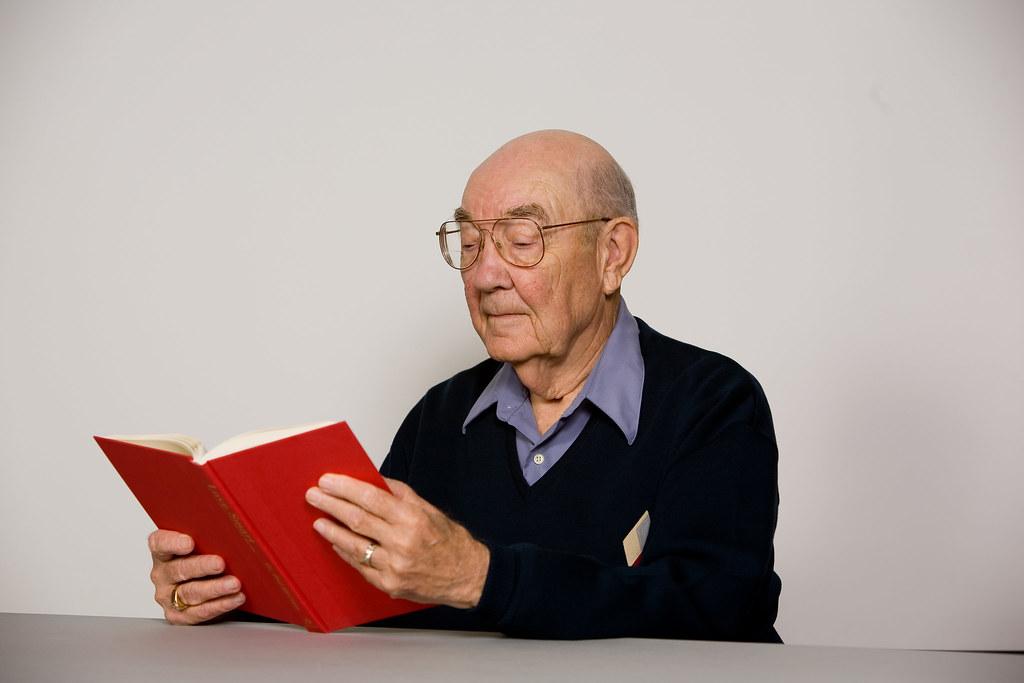
Over time you may find it harder to concentrate. Routine tasks like paying bills or finishing household chores take more effort, or you struggle to retain what someone just told you or a passage you just read.
These episodes are frustrating, but they can also be dangerous. Poor concentration leads to mistakes, and some mistakes - a car accident, a medication overdose - carry real consequences.
Declining concentration is often a normal part of aging, as the brain gradually works less efficiently. Concentration belongs to executive function, a set of skills handled across the brain and especially in the prefrontal cortex, the area behind the forehead. Executive function is what lets you plan, make decisions and, above all, pay attention.
Much can be done to protect it. Regular aerobic exercise, good sleep, and treating hearing loss, depression and high blood pressure all support sharper focus. So do medications reviews, since many common drugs cloud thinking.
Train attention directly by doing one thing at a time: read without the television on, listen to a conversation without checking your phone, or learn a skill that demands focus. If concentration problems arrive suddenly or steadily worsen, tell your doctor - some causes, from thyroid trouble to medication effects, are reversible.