What happens when a personal assistant can act?
Planning a family holiday can take many hours before the first booking is made. Flights, rooms, food and the rules for entering a country must all fit together. A cheap itinerary may include an exhausting layover. A suitable hotel may not allow three people in one room. A meal labelled vegetarian may still contain meat stock.
Instinct AI raises a practical question: how much of this work can we hand over, and what must stay under our control? The same question applies to CEOs, CTOs and other enterprise workflows such as procurement and customer service.
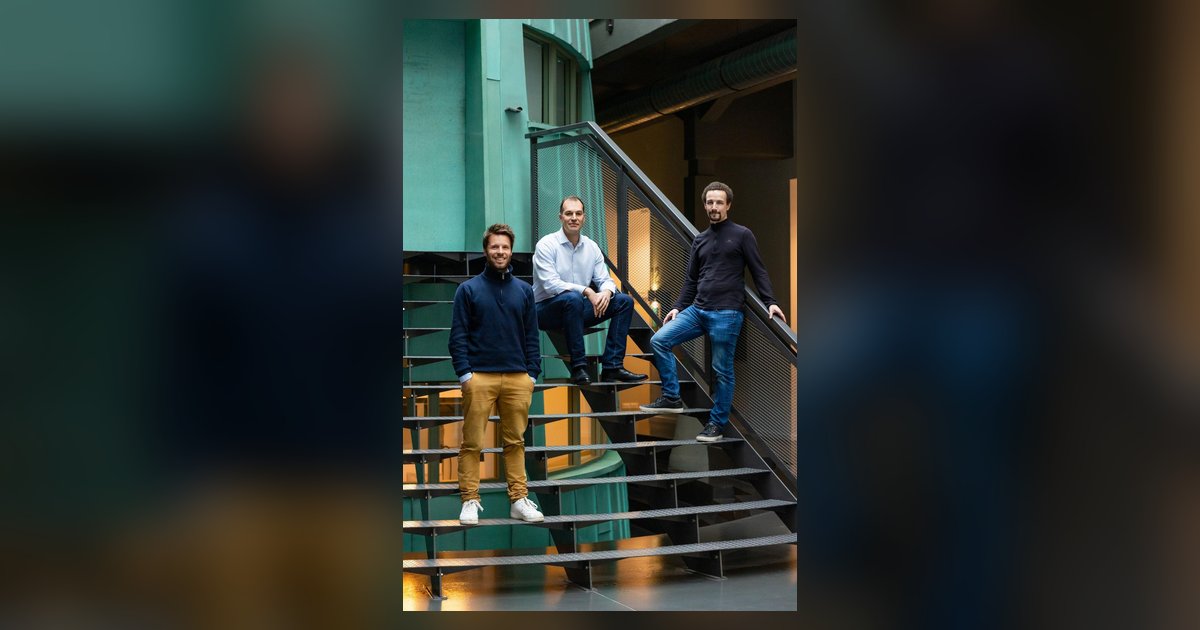
Noah Shinn, who previously worked at the Sierra company, founded Instinct in 2025. The company is building a personal AI assistant that takes instructions through text messages or calls. Its stated capabilities include planning trips, buying groceries, booking tickets and cancelling subscriptions. The company says the assistant uses a phone and a computer to complete tasks, and its September fundraising announcement also described a concierge service that can call businesses on the user's behalf. These are the company's own descriptions of its capabilities, not independent guarantees of performance.
On September 28, 2026, Instinct announced it had raised one billion US dollars at a ten-billion-dollar valuation; reports put its team at fourteen employees. A valuation shows investor expectations. It proves nothing about profit, service quality, or the cost and revenue position of completing each task.
A family holiday makes the challenge concrete. Take a trip my wife, our 17-year-old daughter and I want to make: leave Colombo on December 20, 2026 and return on December 28, seeing Beijing, Shanghai and the Great Wall of China, at an unhurried pace. We want comfortable three- or four-star hotels near public transport, a family room for three, and five-star prices for comparison. I am a strict vegetarian - no eggs, meat, fish, seafood or meat stock. This is an illustrative example; I have not tested this holiday through Instinct.
A useful assistant would first ask our total budget and the important missing details. It would check entry and transit rules for each passport against official sources, flag what is unclear, and distinguish confirmed prices from estimated costs in the budget - flights, accommodation, transport, food, entry fees, insurance and visa costs.
A recommending assistant lists flights and hotels. An acting assistant must confirm a room's occupancy rules, preserve fare conditions to the final payment stage, verify the provider's confirmation, monitor unfinished steps, explain failures and help fix them. Responsibility grows with the authority granted.
The immediate benefit is time saved and personalisation that weighs dietary needs, room preferences and travel pace in every decision. But a misunderstood date or an unsuitable room can cost money, and a booking attempt is not a confirmed booking. Privacy is a design decision too: helping may require access to email, location, travel documents or payment facilities, and users must know what is accessed, for how long, and how to revoke it. Business incentives matter as well - Shinn has discussed merchant commissions as a possible business model; that does not prove how current recommendations are ranked, but it shows why such relationships must be disclosed.
CEOs should choose one workflow with a measurable current cost and judge a pilot on tasks completed correctly, not plausible answers. CTOs should define permissions before connecting systems, require explicit approval for purchases and commitments, log instructions, approvals, tool actions and provider responses, and make sure retries never create duplicate transactions.
My instruction for this trip would be clear: "Submit the itinerary and booking options for my review. Do not book, pay, or take on any financial commitment without my explicit approval." Its lasting value will depend on reliable action, understandable choices, and respect for the authority each user grants.
Which workflow would you trust an AI assistant to complete - and what evidence would you expect before letting it act?