A Distinguished Medical Physics Scientist Presented to the World by the University of Jaffna
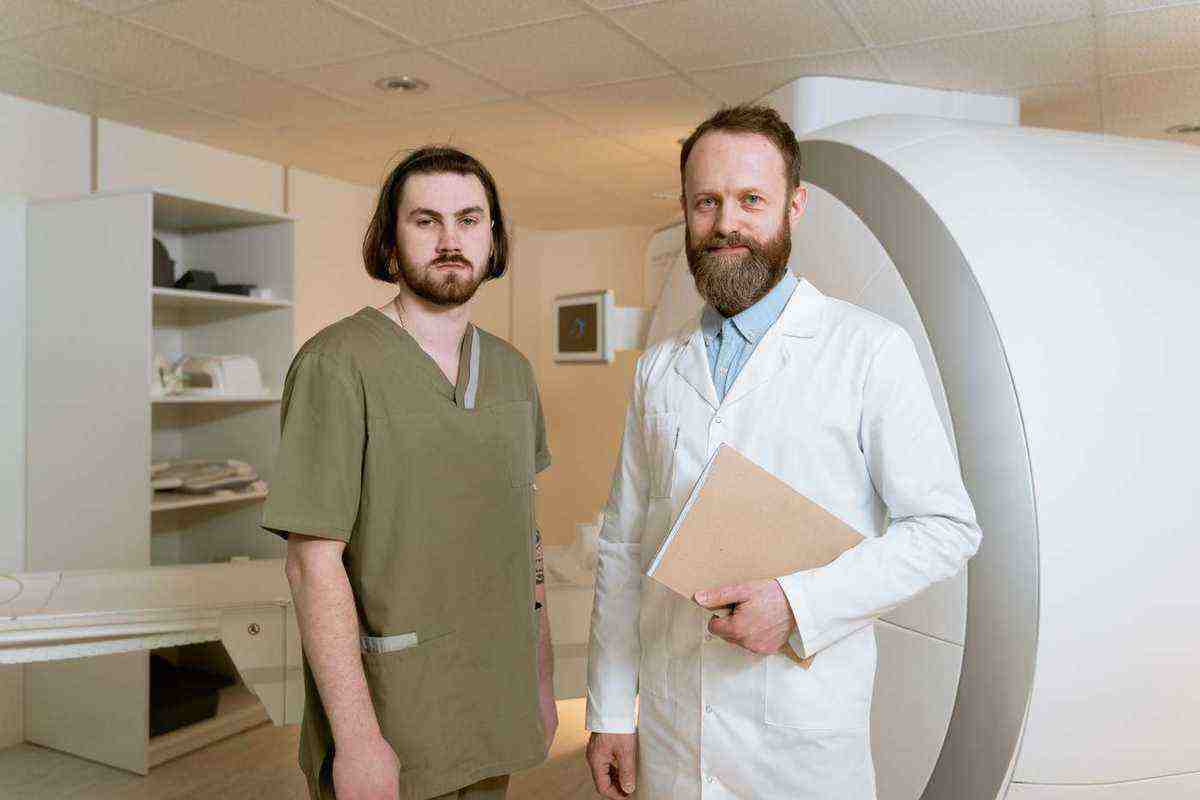
The Inspirational Journey of Professor Dr Jeyasingam Jeyasugiththan
The true pride of a university does not lie only in its buildings or graduation ceremonies. Its real distinction is reflected in the scientific, educational and social contributions made to the world by the students educated there.
In this respect, Professor Dr Jeyasingam Jeyasugiththan stands as one of the outstanding alumni produced by the University of Jaffna. His significant work in medical physics, nuclear science, radiation protection, cancer radiotherapy and the application of artificial intelligence in medicine brings great pride to both the University of Jaffna and Sri Lanka.
A Scientific Journey That Began at the University of Jaffna
Professor Jeyasugiththan obtained his Bachelor of Science Honours degree in Physics from the University of Jaffna in 2001. His interest in applying the principles of physics to medicine in ways that could save human lives guided him towards the field of medical physics.
After completing his undergraduate degree, he worked as a demonstrator in the Department of Physics at the University of Jaffna. This early academic position established a strong foundation for his abilities in teaching, research and scientific mentorship.
He subsequently obtained his Master’s degree in Medical Physics from the University of Peradeniya. He later undertook research in medical physics and proton-beam radiotherapy at the internationally renowned University of Cape Town in South Africa, where he completed his doctoral degree in 2014.
His educational journey, which began at the University of Jaffna, eventually advanced towards internationally recognised medical physics research.
Serving Cancer Patients Amid the Effects of War
One of the most remarkable aspects of Professor Jeyasugiththan’s professional journey is that he applied his scientific knowledge directly to saving human lives.
He worked as a medical physicist at the Cancer Treatment Centre in Tellippalai, Jaffna, and subsequently served for many years in the Department of Clinical Oncology at Teaching Hospital Jaffna.
The role of a medical physicist in cancer radiotherapy is critically important. Medical physicists are responsible for planning the correct radiation dose so that it precisely targets a patient’s tumour, protecting healthy organs, ensuring the accuracy of treatment machines and monitoring patient safety.
In this respect, Professor Jeyasugiththan is not merely a scientist who has worked in classrooms and laboratories. He is also an experienced medical physicist whose work has been directly connected to patient treatment and safety.
Pioneering Research in Proton Radiotherapy
One of his principal areas of research is proton radiotherapy.
When proton beams are used to treat cancer, they must release their energy at the precisely planned location inside the body. If the radiation travels beyond the intended position or stops before reaching its target, the effectiveness of the treatment may be reduced, while healthy tissues may also be affected.
To address this problem, he has researched methods for measuring the prompt gamma rays produced when proton beams interact with human tissue and using this information to verify treatment in real time.
For this purpose, he used Geant4 Monte Carlo simulation technology, which is widely employed in medical and nuclear physics research, to develop and evaluate computer models of proton-treatment beam systems and radiation-detection equipment.
His research is connected to international scientific efforts to provide cancer patients with more precise and safer radiotherapy.
A Significant Contribution to Radiation Safety in Sri Lanka
Professor Jeyasugiththan’s research is not limited to proton therapy. He has also made important contributions to assessing the radiation doses received by patients during medical examinations and treatments in Sri Lanka, including X-ray, CT, mammography, PET-CT, dental imaging and brachytherapy.
In particular, he has contributed to several important areas of research, including:
- Establishing national radiation-dose reference levels for Sri Lanka
- Reducing radiation exposure during paediatric CT examinations
- Assessing the radiation-protection knowledge of healthcare professionals
- Improving patient safety in mammography and PET-CT examinations
- Accurately verifying radiation doses in brachytherapy
- Strengthening quality control and safety in medical imaging
These studies are not merely academic publications. They also possess considerable practical importance in improving patient safety and the quality of treatment in Sri Lankan hospitals.
A Vision for Advancing Artificial Intelligence in Medicine
Professor Jeyasugiththan clearly recognises that the fields of medical physics, medical imaging and radiotherapy are being rapidly transformed by the development of artificial intelligence.
He has contributed to research involving MRI medical images, radiomic features and machine-learning methods to identify and classify different stages of disease.
He emphasises that technical capability alone is insufficient when artificial intelligence is introduced into medicine. Patient safety, quality assurance, clinical validation and responsible implementation must be given equal importance.
His view that future medical physicists should develop skills in artificial intelligence, computer programming, data analysis and research methodologies provides valuable guidance for the next generation of medical scientists.
Senior Academic and Administrative Responsibilities
Professor Jeyasugiththan currently serves as Professor of Medical Physics and Head of the Department of Nuclear Science in the Faculty of Science at the University of Colombo.
He also serves as the Coordinator of the Master’s programme in Medical Physics, playing an important role in educating and developing the next generation of medical physicists in Sri Lanka.
His other important national and international responsibilities have included:
- President of the Sri Lanka Medical Physics Society
- Former member of the Board of Directors of the Sri Lanka Atomic Energy Board
- National Project Coordinator for International Atomic Energy Agency projects
- Associate of the International Centre for Theoretical Physics in Italy
- Member of the Science Committee of the Asia-Oceania Federation of Organizations for Medical Physics
- Former Editor-in-Chief of the South Asia Centre for Medical Physics and Cancer Research Newsletter
Recognition for Research Excellence
Professor Jeyasugiththan has published more than 25 research papers in internationally peer-reviewed journals and more than 50 research abstracts at national and international conferences.
In recognition of his scientific and educational contributions, the University of Colombo honoured him with the Vice-Chancellor’s Award for Research Excellence for 2024.
He has also received the National Research Council Merit Award for scientific research publications, several fellowships from the International Atomic Energy Agency and the International Centre for Theoretical Physics, international training opportunities and research funding support.
A Distinguished Alumnus of the University of Jaffna
The journey of a person who began as a physics student at the University of Jaffna and has now risen to become one of Sri Lanka’s leading professors of medical physics, the Head of a Department of Nuclear Science and a National Project Coordinator for International Atomic Energy Agency programmes is no ordinary achievement.
His professional journey represents international recognition of the educational quality of the University of Jaffna, the dedication of the professors who taught him and the intellectual strength of Northern Sri Lanka.
He stands as an outstanding example through his work in applying scientific knowledge to save human lives, advancing in his field despite difficult circumstances, guiding young researchers, improving medical radiation safety in Sri Lanka and collaborating with international scientific organisations.
The accomplishments of Professor Dr Jeyasingam Jeyasugiththan are not merely his personal success. They represent the success of the University of Jaffna, its alumni community, the Sri Lankan Tamil community and the scientific community of Sri Lanka.
By proudly carrying the identity, “I was educated at the University of Jaffna,” onto the international stage, Professor Jeyasugiththan stands as an inspiring scientific figure who gives hope to today’s students and future researchers.
We sincerely congratulate Professor Dr Jeyasingam Jeyasugiththan, a distinguished alumnus of the University of Jaffna, and wish him even greater achievements in his educational, medical and scientific service.