AI investment could lift productivity but keep rates and power costs higher, RBA says
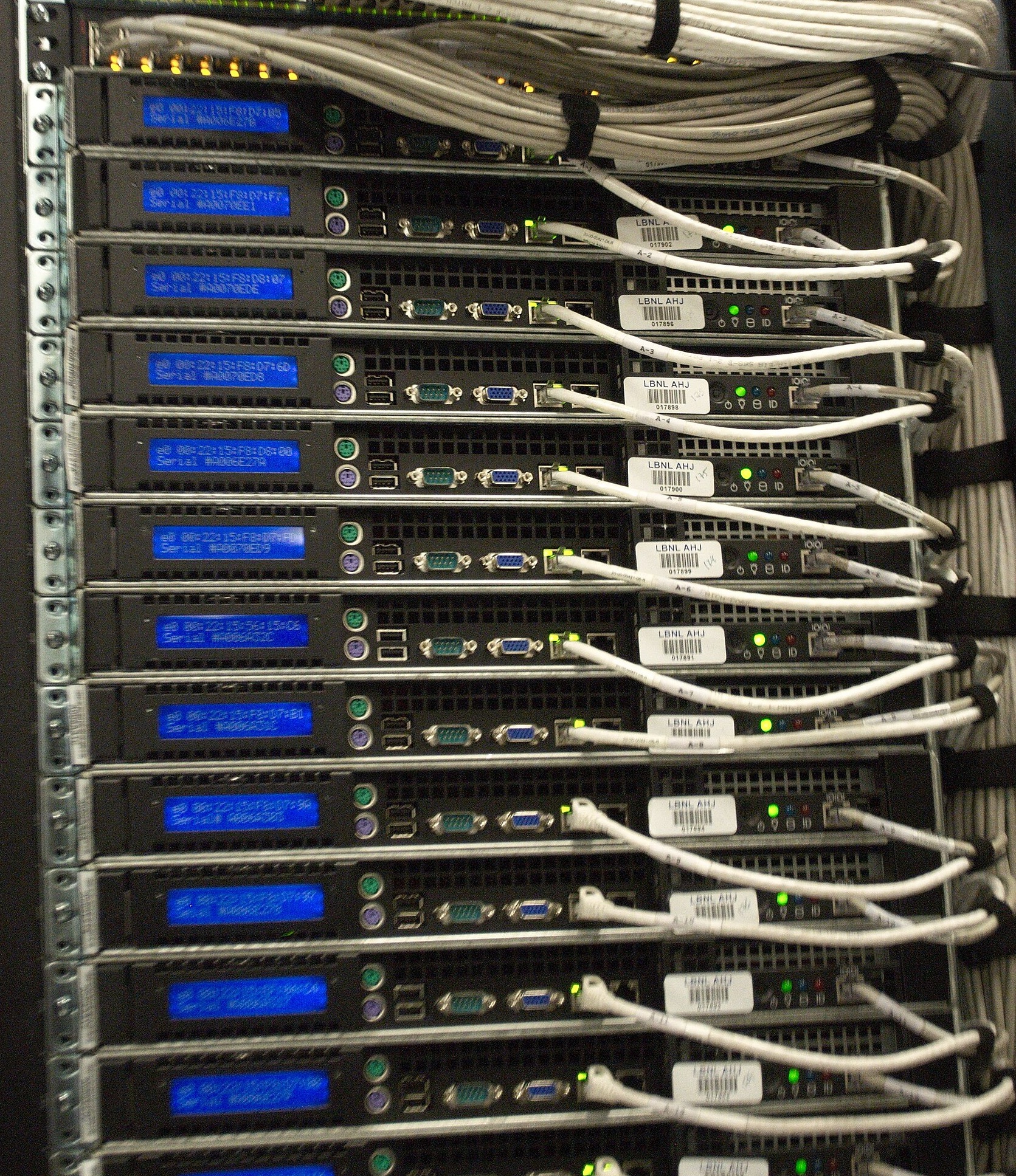
Illustrative cropped server rack at a US data centre in 2011, not an Australian AI project.
Australia's AI investment boom could lift productivity over time but keep interest rates and electricity costs higher in the nearer term, Reserve Bank chief economist Sarah Hunter told a Sydney conference on 9 November. Her warning concerns pressure from investment and demand, not a claim that AI has already delivered broad productivity gains or widespread job losses.
Speaking to the UBS Australasia conference, Hunter said investment in Australian data centres had grown tenfold in three years. The projects were competing with other construction for trade workers, and data-centre building could amount to about 2 per cent of GDP annually over the following two years. Demand for power could put upward pressure on wholesale electricity prices for a time.
The scale surprised central banks. The RBA's November forecast had business investment increasing 12 per cent that year, compared with just 0.8 per cent in May. Research released alongside the speech put Australian data-centre investment through 2028 at A$115 billion, excluding supporting infrastructure such as energy supply. Some renewable projects were becoming viable because of that extra demand.
Hunter compared AI with railways, electricity and the internet: general-purpose technologies that change how firms work. Businesses invest to use the technology and meet future growth, competing globally for savings and potentially pushing up interest rates. She pointed to rising estimates of the neutral interest rate in recent years and higher bond yields as tentative evidence, rather than a settled forecast of a particular cash-rate decision.
Broad productivity benefits remained hard to see. Hunter said businesses may need time to invest and reorganise before gains appear, as happened when factories redesigned production around electricity rather than simply replacing steam motors. This initial adjustment is often described as a productivity J-curve. Australia's long productivity slowdown adds pressure on government policy, but the new technology's gains could emerge quickly once those changes take hold.
Overall employment had shown little AI effect. There were signs of weaker youth hiring in highly exposed occupations, but the RBA's Australian business contacts said most firms' staffing had not been affected and was not expected to be over the next year. That is a limited current assessment, not a guarantee that particular roles will never disappear.
One of four new RBA research papers estimated 5.3 per cent of Australian households' financial wealth, a total near A$9 trillion, was invested in AI-related companies directly or through superannuation. In late 2022 the share had been 2 per cent. Hunter said financial gains so far were concentrated among a small group of firms and shareholders, and some workers could face difficult transitions affecting household income and spending.
She said the consumption response would depend on both the size and distribution of income gains and how AI enters daily life. The report also noted opposition overseas to data-centre expansion: all proposals restricting centres among 40 US county and state ballot initiatives succeeded in that month's midterms. The near-term economic pressures and longer-term benefits therefore need to be considered separately.
Illustrative cropped server rack at a US data centre in 2011, not an Australian AI project.