Robotics in middle school is not about robots
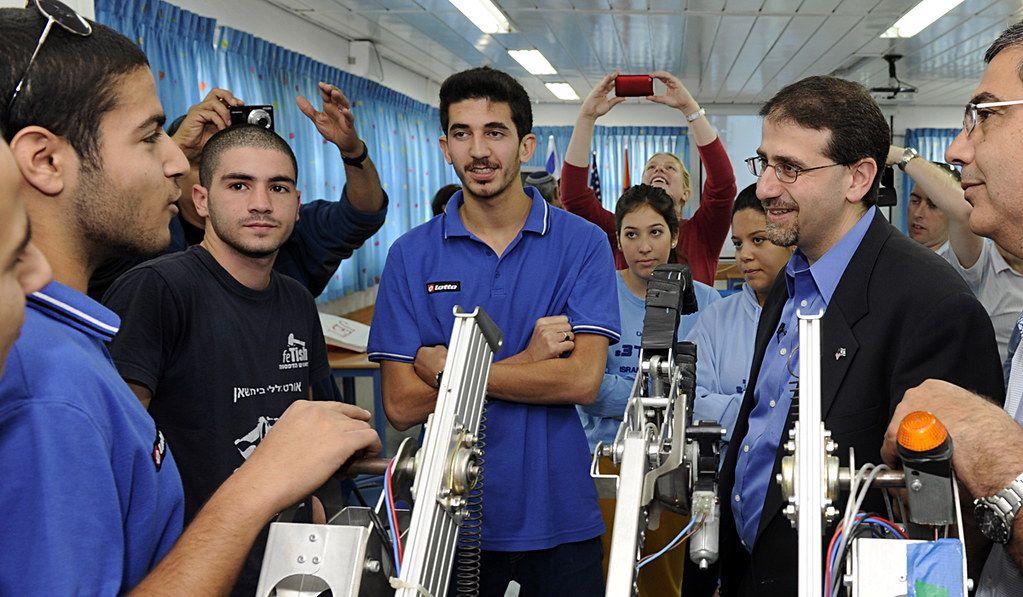
When a school announces a middle-school robotics class, most parents assume the goal is to teach robotics. It usually is not. The robot is a delivery mechanism for the cognitive, social and ethical infrastructure the AI era demands.
A central problem with large AI models is hallucination: fluent, convincing, incorrect answers. Schools face the same problem: a persuasive essay written without understanding is fluency without grounding. Robotics is the corrective: code that does not work does not argue back; the robot simply does not move.
There are two broad approaches. Large classrooms distribute low-cost kits for building and block coding; they create participation but rarely deep thinking. Small laboratory formats use one sophisticated platform, four or five students per session and no worksheets. Serious programmes run a hybrid of both.
In these rooms the robot serves six purposes. It makes abstract computational ideas concrete. It trains hypothesis testing, because the environment pushes back on wrong assumptions in real time. It develops systems thinking. It creates a genuine need for documentation: a team that changes code and cannot explain why has lost control of its own work.
It also builds collaboration: one child may hold the screwdriver, another the code, another the stopwatch, and they cannot succeed without translating ideas across those roles. And it raises authentic ethical questions: when a robot misinterprets a voice command, who is responsible? These are live debates in AI governance, at a twelve-year-old's scale.
The design principle is that the robot must be smarter than the task, so the bottleneck moves from the machine's limitations to the student's thinking.
School leaders should resist the showcase fallacy: the annual demonstration tells parents nothing about learning. The meaningful metric is the quality of struggle: how long a team persisted, how it documented failure, whether it revised its hypothesis.
Parents should ask three questions: what happens when it fails, whether children document their reasoning, and whether the programme discusses what the robot should do, not only what it can do. The robot, in the end, is just the excuse to gather in the room.