What happens in our brains when we ride a roller coaster?
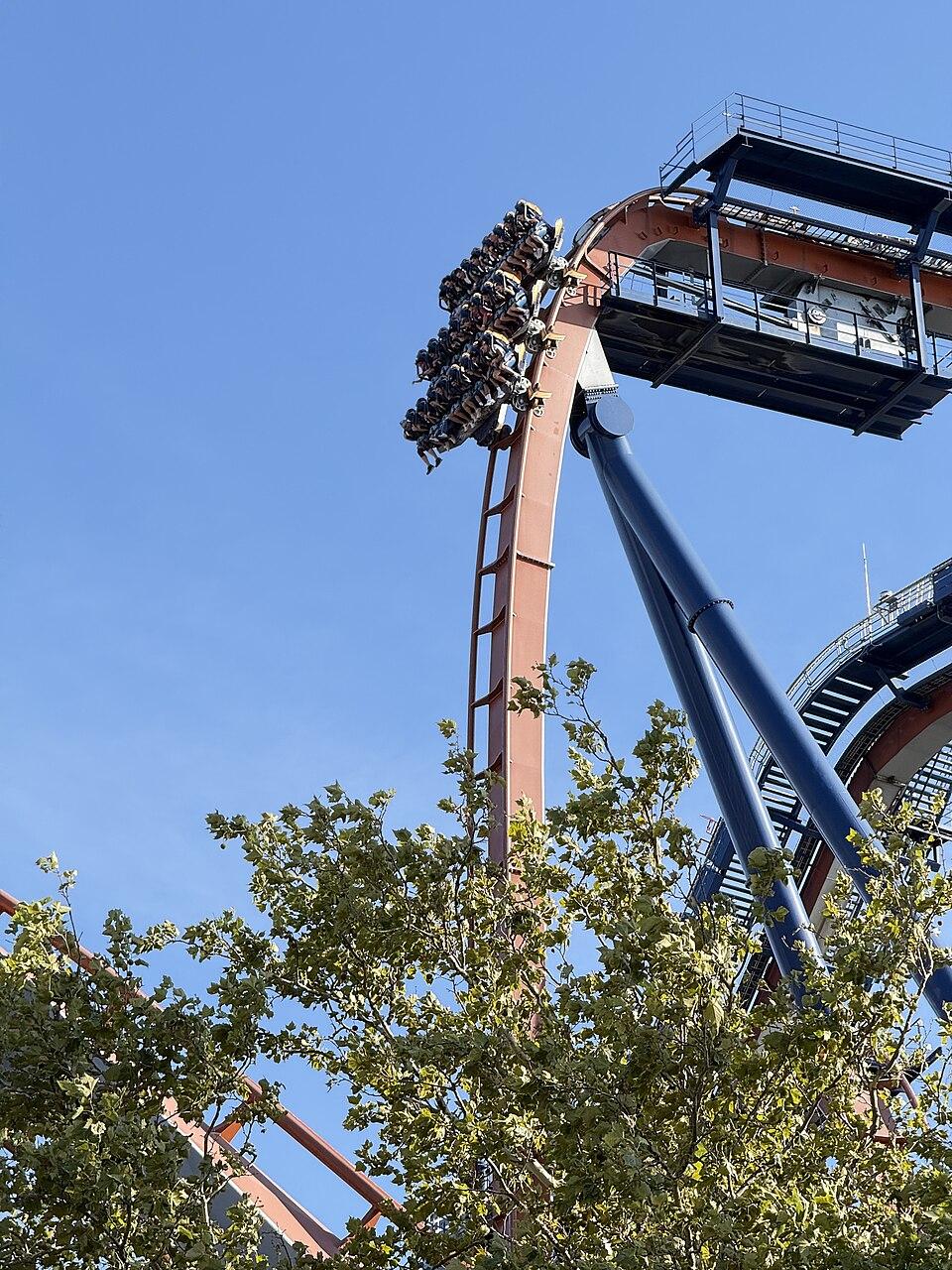
Being hurled through the air, spun upside down and dropped from great heights should not be pleasant. Yet according to the International Association of Amusement Parks and Attractions, hundreds of millions queue for hours every year for exactly that. What happens in our brains that makes us pay for this stomach-churning thrill?
Early forms of roller coasters can be found in Russia 400 years ago, says Andy Hine, founder of the Roller Coaster Club of Great Britain. People raced down ice-covered artificial slopes in wooden sleds known as 'flying mountains'. In the 19th century the idea reached Paris; lacking ice, Parisians built a wooden track with wheeled carts, and 'rolling' and 'coasting' combined to name the ride. Even that simple version reached 65 kilometres per hour.
In 1884 on Coney Island, New York, inventor LaMarcus Thompson, the 'father of the gravity ride', created the forerunner of the modern roller coaster. When steel structures arrived in the late 1950s, speed and height grew, and wheels fitted above and below the track made upside-down loops possible. A single ride can now invert riders up to 14 times.
Studies show levels of endorphins, the 'happiness hormones', rise during a ride. The stress hormone cortisol also increases, but not all stress is harmful: experts call the roller coaster an example of 'eustress', a positive form of stress.
Researcher Walker believes there may be an evolutionary reason: when early humans escaped a predator, the adrenaline surge would have been paired with relief and joy. With real dangers rarer in modern life, rides serve as a safe substitute. Changes in G-force, extreme speed and unpredictable twists heighten the thrill.
It is not for everyone. Doctor Pandya explains that balance depends on three signals agreeing: what the eyes see, what the inner ears sense, and information from muscles and joints. When they conflict, the brain becomes confused and nausea follows. Professor Marvin Zuckerman's 'sensation seeking scale' identifies four types of experience seekers: some love risky adventures, others prefer thrills without physical danger. People say they never feel more alive than in a thrilling moment, Walker points out.