Russian draft law would let autonomous taxis refuse unsafe journeys
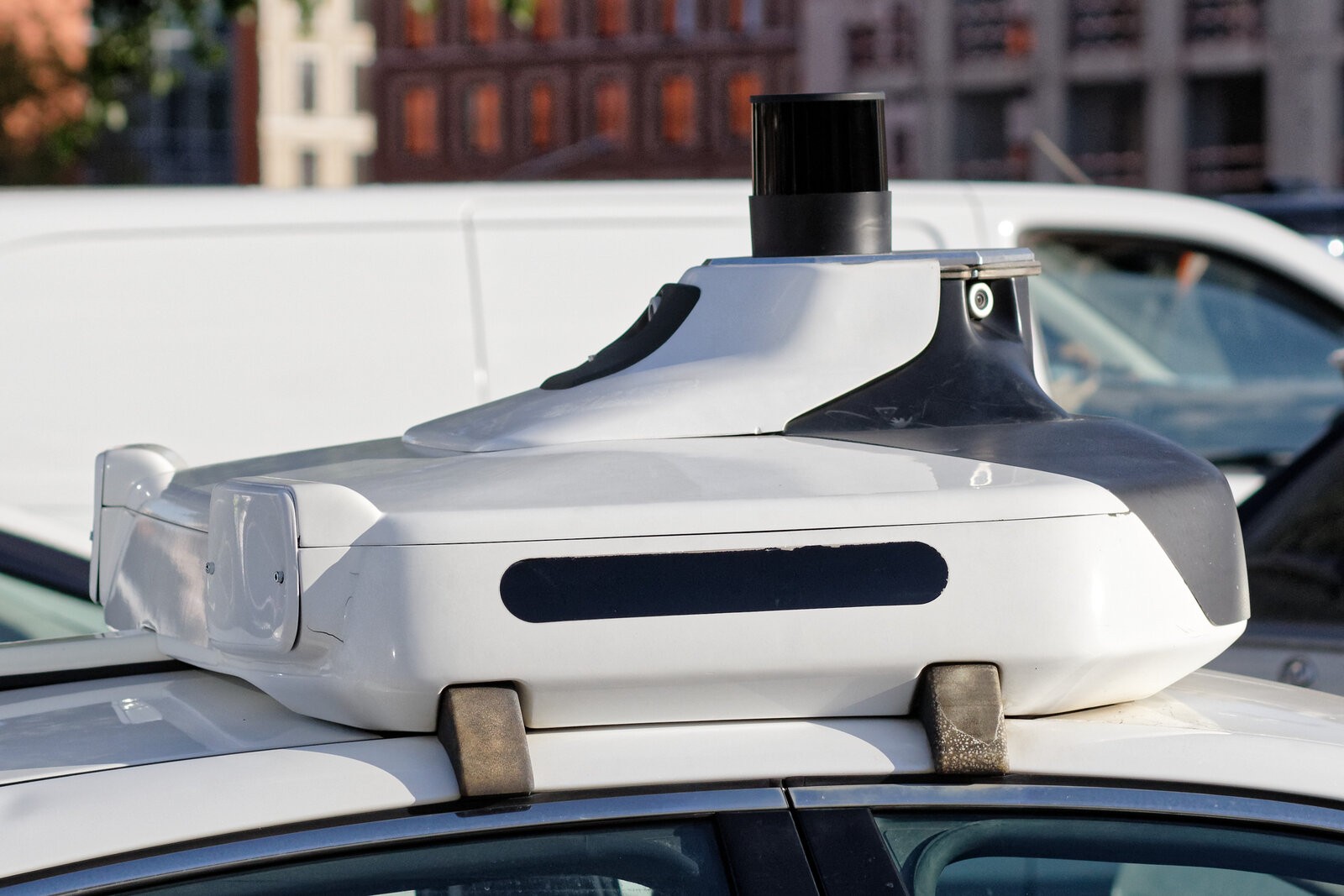
A Russian government bill would allow operators of autonomous taxis to refuse a journey if a passenger's proposed route or behaviour could threaten the automated driving system. The proposal is part of legislation submitted to the State Duma to move highly automated vehicles beyond temporary experimental legal arrangements.
The proposed refusal grounds are tied to the vehicle's safe operation. They include conduct or routing that could interfere with the driving system, and a journey that passes through an area where highly automated transport is restricted. The text is a proposed legal framework, not evidence that every existing autonomous taxi has begun applying the same refusal policy.
Information about restricted zones would be placed in special information systems. That information is expected to include the period for which a restriction applies and the coordinates marking the beginning and end of the affected zone, so an operator can assess whether the requested route is permitted.
The bill envisages permanent regulation of highly automated vehicles outside experimental legal regimes, with a proposed commencement date of 1 September 2027. Both the wording and start date remain subject to the legislative process. Submission to parliament is not the same as enactment or entry into force.
For passengers, the key issue is how safety restrictions will be explained and applied to a particular trip. The proposal identifies possible refusal grounds, but it should not be read as a blanket finding that autonomous taxis are unsafe or as an unconditional right to reject any passenger.