Should you be tested for inflammation?
Inflammation has a bad reputation, and much of it is deserved. Long-term inflammation contributes to chronic illness and death, and headlines can make it sound as though stamping out inflammation would eliminate heart disease, cancer, dementia and perhaps aging itself. That is not true.
Even so, understanding of how chronic inflammation damages health has grown enormously, and three questions come up again and again: could I have inflammation without knowing it, how would I find out, and are there tests for it? There are.
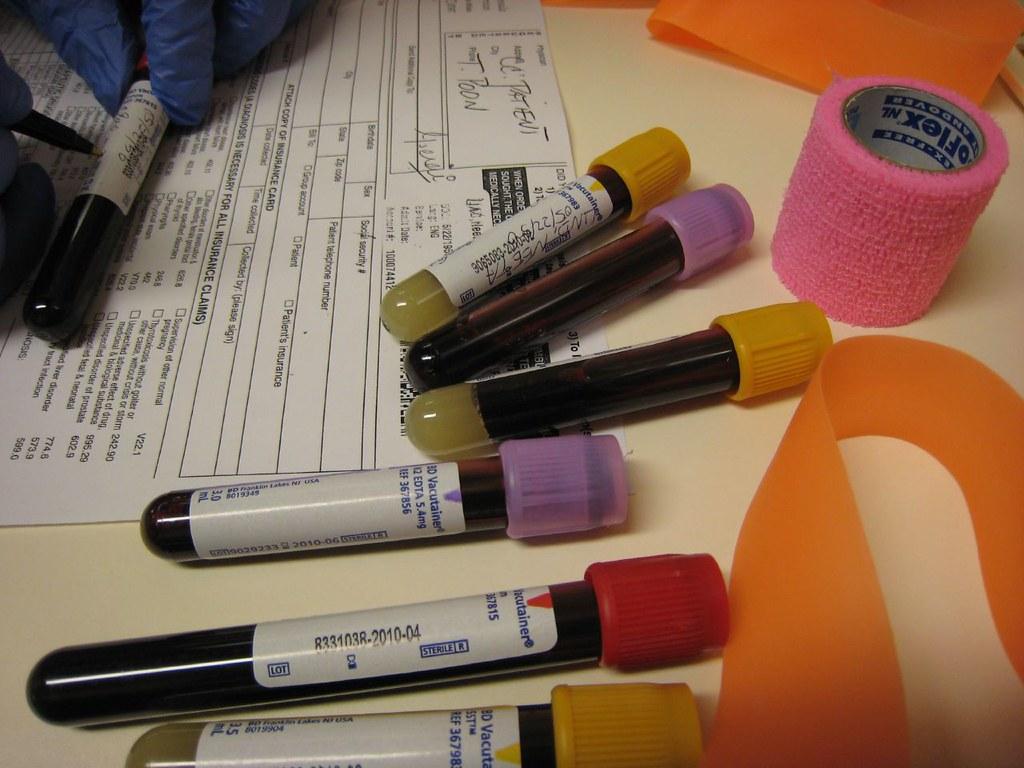
The most common is a blood test called high-sensitivity C-reactive protein, or hs-CRP. It measures a marker that rises with body-wide inflammation and is used mainly to refine estimates of cardiovascular risk. Doctors may also check ESR or other markers when they suspect an inflammatory illness.
Testing is not for everyone. It adds the most value when the result would change a decision - for example, whether someone at intermediate heart risk should start a statin. A single raised reading can also be misleading, since a cold or a hard workout can push it up temporarily.
If you are concerned, ask your doctor whether an hs-CRP test makes sense for you. Whatever the result, the everyday inflammation fighters stay the same: do not smoke, stay active, eat a Mediterranean-style diet, manage weight, sleep well and keep blood pressure, cholesterol and blood sugar controlled.