How South Korea cut household food waste to landfills by 97 percent
South Korea has almost eliminated household food waste from landfills, raising its food waste recycling rate from just 2.6 percent in 1996 to about 97 percent in 2023. The shift grew out of the waste crisis created by the country's rapid twentieth-century urbanisation, and it offers lessons worldwide: a billion tonnes of food is wasted globally each year, contributing 10 percent of the greenhouse gas emissions behind global warming.
Residents like Sunghwan Hong of Seoul's Yeouido district deposit their weekly food waste in a smart bin in their apartment complex. The bin opens when an RFID identity card is tapped on its scanner; the waste is weighed and a fee is added to the household maintenance account. More than 151,934 such smart bins serve 8.61 million households nationwide, 2025 government data shows. 'Seeing the weight and cost of the food I threw away made me aware,' Hong says.
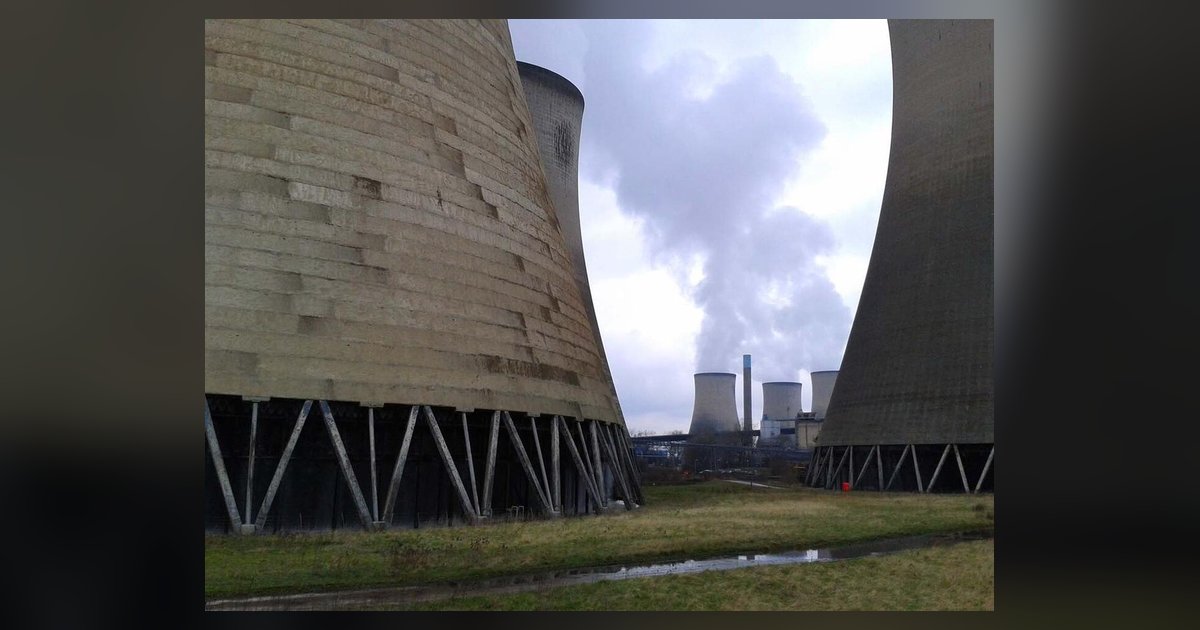
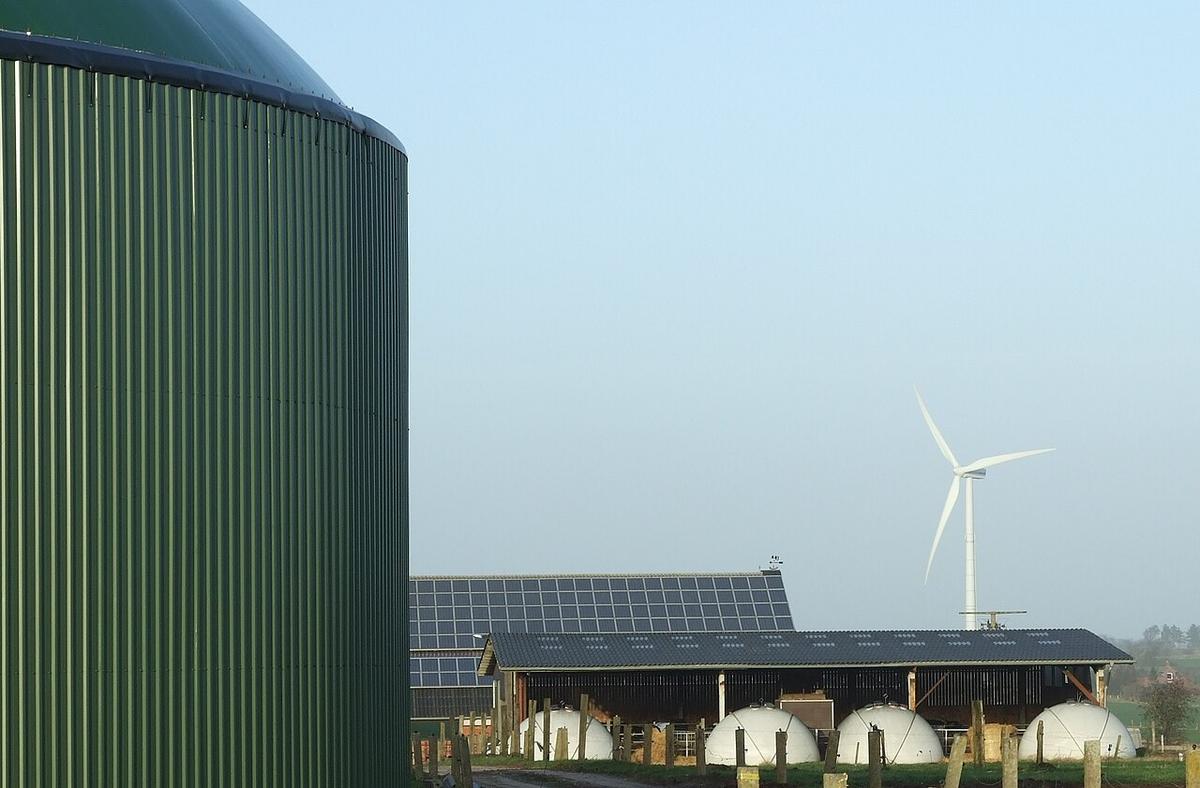
Collected food waste is sent to plants that turn it into electricity. Organic waste rotting in landfills releases methane, a greenhouse gas 80 times more heat-trapping than carbon dioxide over 20 years, while the toxic liquid known as leachate can pollute groundwater; in a biogas digester, that methane becomes fuel. The Daejeon Bio Energy Centre converts 70 to 75 percent of the waste it receives into energy, meeting the electricity needs of about 6,000 households, and more than 340 such plants operate across the country. Cost remains the biggest challenge: the government spends 600 billion won a year on municipal waste management.
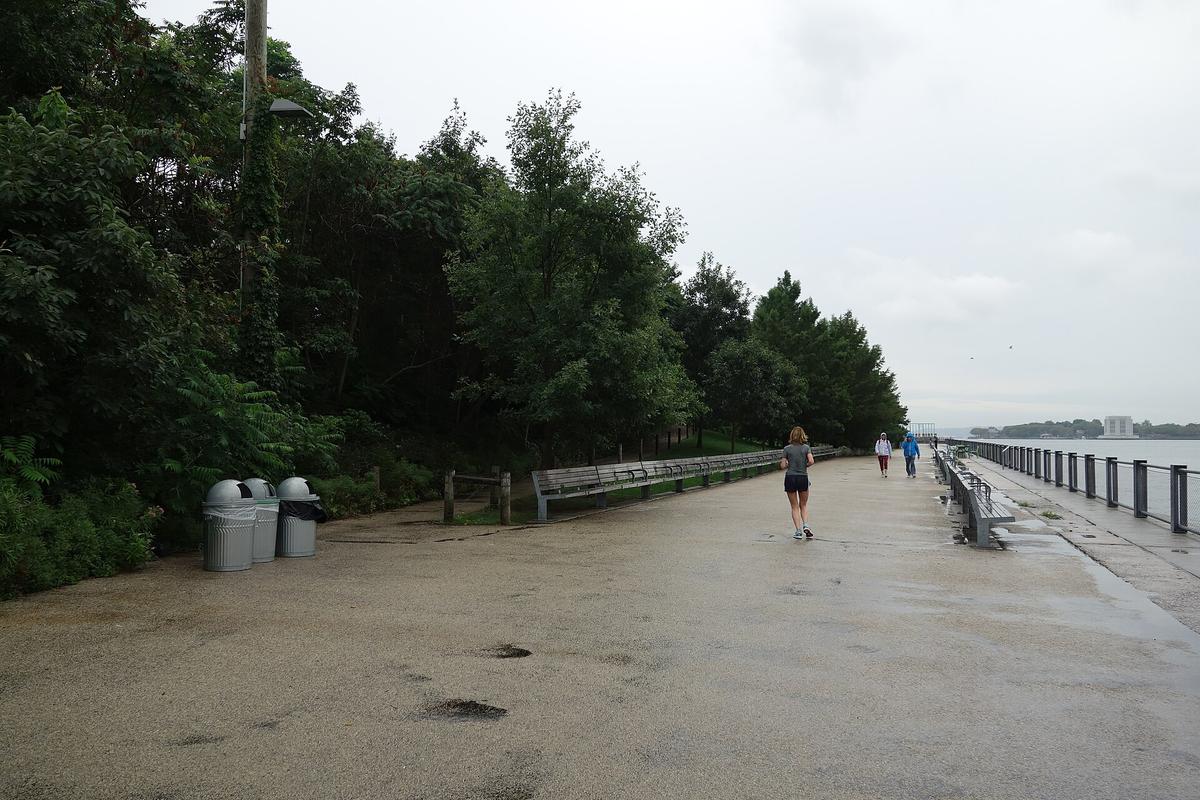
New York City has followed South Korea's example. In October 2024 it made separating household food waste mandatory and installed more than 400 solar-powered smart composting bins across its five boroughs, usable free around the clock through a mobile app. In 2025 the city handled about 140,000 tonnes of compostable waste, only around 9 percent of the 1.5 million tonnes of household waste it generates a year; collections are composted on Staten Island or turned into biogas in Brooklyn.
'RFID bins make every citizen directly responsible for their organic waste,' says Steven Cohen, director of the sustainability management programme at Columbia Climate School. Hong's words capture the heart of South Korea's success: 'Controlling food waste is all of our shared responsibility.'