Housing costs drive protests and strike action in Spain
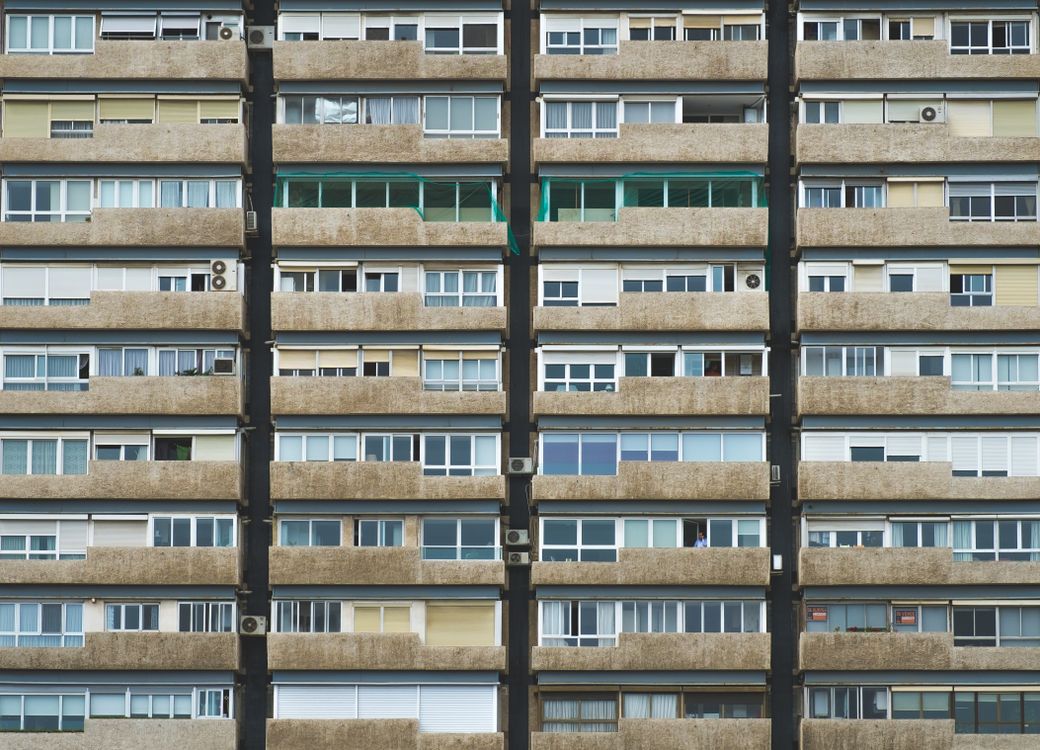
Illustrative apartment facade in Valencia, not a November 11 protest scene or the evicted tenant's home.
November 13 update: unions report four million participants in housing strike
Four million workers took part in Spain's November 11 general strike, according to unions quoted in a published report carried by the published report. It was the first nationwide general strike since 2012. UGT and CCOO, Spain's two largest unions, backed the action alongside tenants' groups. The reported four-million turnout is a union count, not an independently audited total; the tenants' union's expectation of five million by day's end was a forecast, not a confirmed final figure.
Housing shortages and rents were central demands. The report cites the central bank estimating a shortage of about 750,000 homes, potentially exceeding one million by 2028. It separately cites the Youth Council of Spain comparing an average monthly rent of 1,176 euros with 98.7% of a young person's average monthly salary. These are attributed national estimates and a particular income comparison, not the rent every household pays or a ratio applying to all Spanish workers.
Participation varied by region and industry. Unions reported 90% participation at ports and in the automotive sector, with stoppages at major vehicle factories. Grid operator Red Electrica recorded an electricity-demand fall of as much as 15.5% between 10am and 11am. Madrid metro reported peak-time use 42% below the same period a week earlier. Those sectoral and time-window measures should not be presented as a uniform nationwide shutdown.
Police reported 40 arrests by midday across 476 strike-related incidents. Unions said 20 protesters were injured and announced plans to complain about what they called disproportionate police force. These are separately attributed accounts, not a judicial finding on each incident. Storms also disrupted protest plans, with a march in Cadiz cancelled.
The strike came before the scheduled November 29 snap election. Employers' lobby CEOE argued that disruption hurt small businesses already affected by housing shortages and urged more construction and lower housing-related taxes. BBVA Research's estimate that the strike could reduce annual GDP by 0.1%-0.2% was an economist's projection, not measured final damage. The earlier report below is retained with its original date and text. A newly added Valencia apartment photograph is illustrative, not a protest scene.
High rents, a shortage of homes and living costs have driven protests by young people and tenants in Spain. Housing was also central to unions' call for a nationwide strike on November 11.
Public anger intensified after 87-year-old Maricarmen Abascal was evicted from her long-term home in Madrid and later died in hospital. Reports said she died on the day the owners agreed she could return.
Protesters described remaining in their parents' homes because independent renting was too expensive, or facing uncertainty under short leases. Their accounts illustrate personal experiences rather than a single rent level applying across the country.