What standard emergency care involves

If your heart stops and you stop breathing, the first step of emergency care is cardiopulmonary resuscitation (CPR) - chest compressions, artificial respiration, and defibrillation to shock the heart back into a steady rhythm.
What if basic CPR is not enough?
Sometimes the heart restarts with basic CPR alone, but more often it needs further help to keep going. That is when doctors shift to advanced cardiac life support. Your lungs may lack the strength to deliver the oxygen you need, so you would be intubated: a tube passed through the nose, mouth, or throat into the trachea, connected to a ventilator that moves air in and out of the lungs.
Intravenous drugs would be given to raise or lower blood pressure, control heart rate, or support the kidneys.
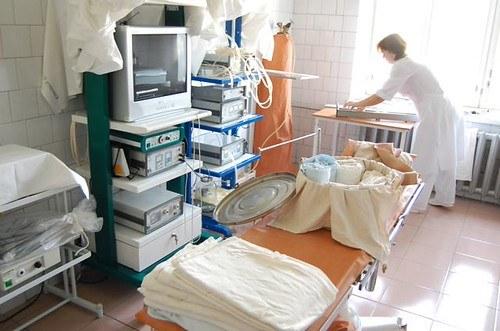
In hospital, staff would draw blood to check how well your lungs, kidneys, and liver are working, look for infection, and confirm your blood minerals are balanced. A catheter would drain urine from your bladder. Failing kidneys would be offered dialysis. Imaging, further tests, and surgery where needed round out what counts as standard intensive care in the United States.
That sounds extensive. Would it count as "heroic measures"?
No. There is a wide gap between how medical professionals think and how everyone else does. If you want anything less, you must say so explicitly.
What if I say yes to CPR but no to a ventilator?
You can say that. But if you are sick enough that your heart and breathing have stopped, a doctor is unlikely to bring you back with chest compressions and shocks alone. Usually when the heart stops the lungs stop too, so the ventilator is needed. Choosing only part of the emergency intervention rarely makes sense.
How should people raise this with their doctors?
Start the conversation. Ask: what would happen to me if my heart stopped? Given my medical situation, would I likely survive? And if I did, what would my quality of life look like?