The little-known Texas trade zones saving importers millions in tariffs

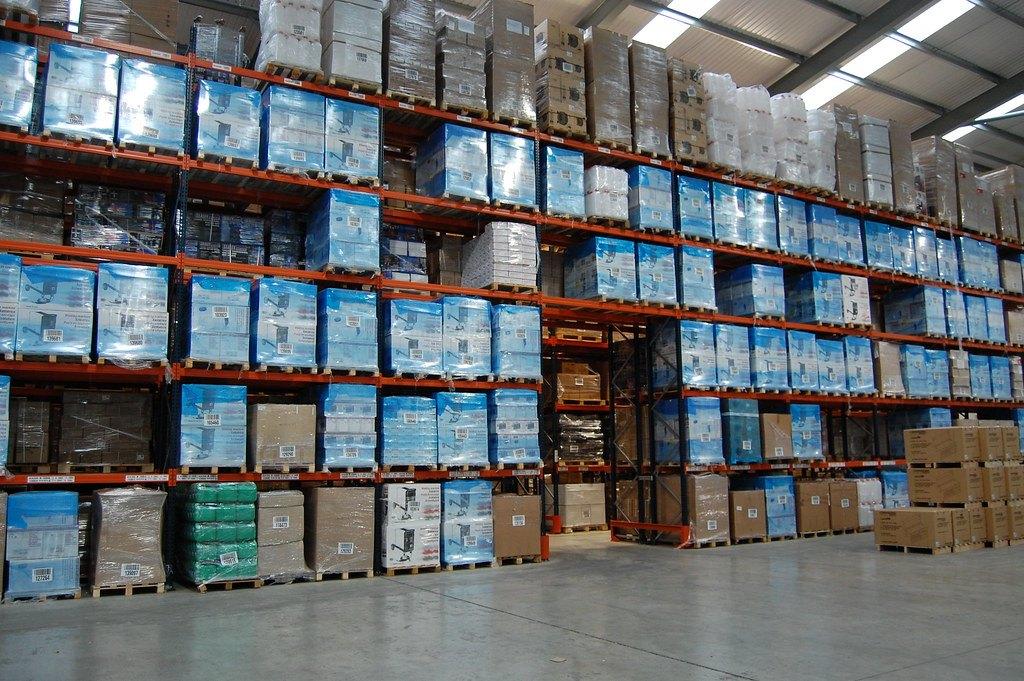
The Dallas-Fort Worth area of Texas hosts multiple Foreign-Trade Zones, designated areas that offer duty-free or deferred payment on goods handled by businesses engaged in international trade. Overseen by US Customs and Border Protection, the zones are drawing fresh attention from importers looking for relief as tariffs climb.
DFW Airport serves as grantee for FTZ No. 39, spanning almost 2,200 acres of cost-saving storage and provides access to a business park and cargo distribution centers. Texas has a large number of such zones and is considered a national leader in the program.
The benefits are substantial. Businesses operating inside an FTZ can defer, reduce, or even eliminate US customs duties and tariffs on imported goods. They can hold imported merchandise indefinitely, assemble, process, or relabel it, and transfer it to another zone or export it without immediate duty payment. The zones can also streamline customs clearance, cutting time and cost.
To take advantage, businesses apply for designation as an FTZ user. The DFW zone offers pre-designated sites both on and off airport grounds, and the Alternative Site Framework gives grantees a streamlined path to expand operations within their service area.
Separately, trade lawyers are warning about a darker side of tariff avoidance: illegal transshipping. To dodge US duties, particularly on Chinese goods, some companies route products through countries such as Taiwan or Vietnam and falsely label them as made there, violating US trade law. The practice creates unfair advantages, letting violators undercut legitimate competitors, sometimes on goods carrying duties of more than 1,000 percent, as with certain Chinese mattresses.
Exposing the practice can be lucrative. Under the Moiety Statute, 19 USC 1619, reporting customs fraud can earn up to 25 percent of the government's recovery, capped at $250,000. Under the False Claims Act, 31 USC 3729, anyone can file a qui tam lawsuit; whistleblowers earn 15 to 25 percent of recovered damages if the government intervenes, and 25 to 30 percent if they pursue the case alone, with penalties including triple damages and up to $11,000 per false claim. Univar USA settled one such matter for over $60 million, and a young clerk in Seattle reportedly made millions reporting transshipping fraud.
In content strategy news, a presentation at a recent seller conference in Iceland laid out how Amazon sellers can use YouTube to build brand visibility and revenue. The strategist behind campaigns responsible for 93 billion video views argued that success starts with understanding the psychology of one ideal viewer, going beyond demographics to motivations, fears, frustrations, and daily habits, and building community rather than transactional funnels, as campaigns like Squatty Potty and Feastables did.
The recommended tactics include crafting videos around viewer psychographics, using pop-culture trends for emotional connection, showcasing products organically, and adding live launch events; one nutrition creator generated more than $690,000 in subscription revenue in 12 hours through a livestreamed launch. Common mistakes to avoid include driving external traffic directly to YouTube instead of using its internal discovery, repurposing content made for other platforms, and leaning on paid ads before building organic loyalty.
Two large free compilations are circulating among sellers: a 74-page collection of every AI tool recommended in a popular e-commerce AI newsletter, and a 214-page archive of a year's worth of Amazon seller hacks.
In other news, a typical Amazon shopper spent $2,800 during 2024; Amazon Photos can now be used to shop for products appearing in users' pictures; QVC is moving to round-the-clock live selling in the TikTok mold; Japan's marketplace remains the last marketplace where local sellers dominate; and 65 percent of Amazon sellers raised prices in 2024. The de minimis loophole for Chinese sellers officially ends May 2, and California has filed suit seeking to block the administration's tariffs as unlawful.
Two marketplace statistics are also being widely shared: only 8 percent of sellers who started on Amazon before 2019 are still selling today, though they account for most third-party revenue, and fully 30 percent of sellers never make a single sale.