Bank of England chief economist signals further rate rises as inflation risks persist
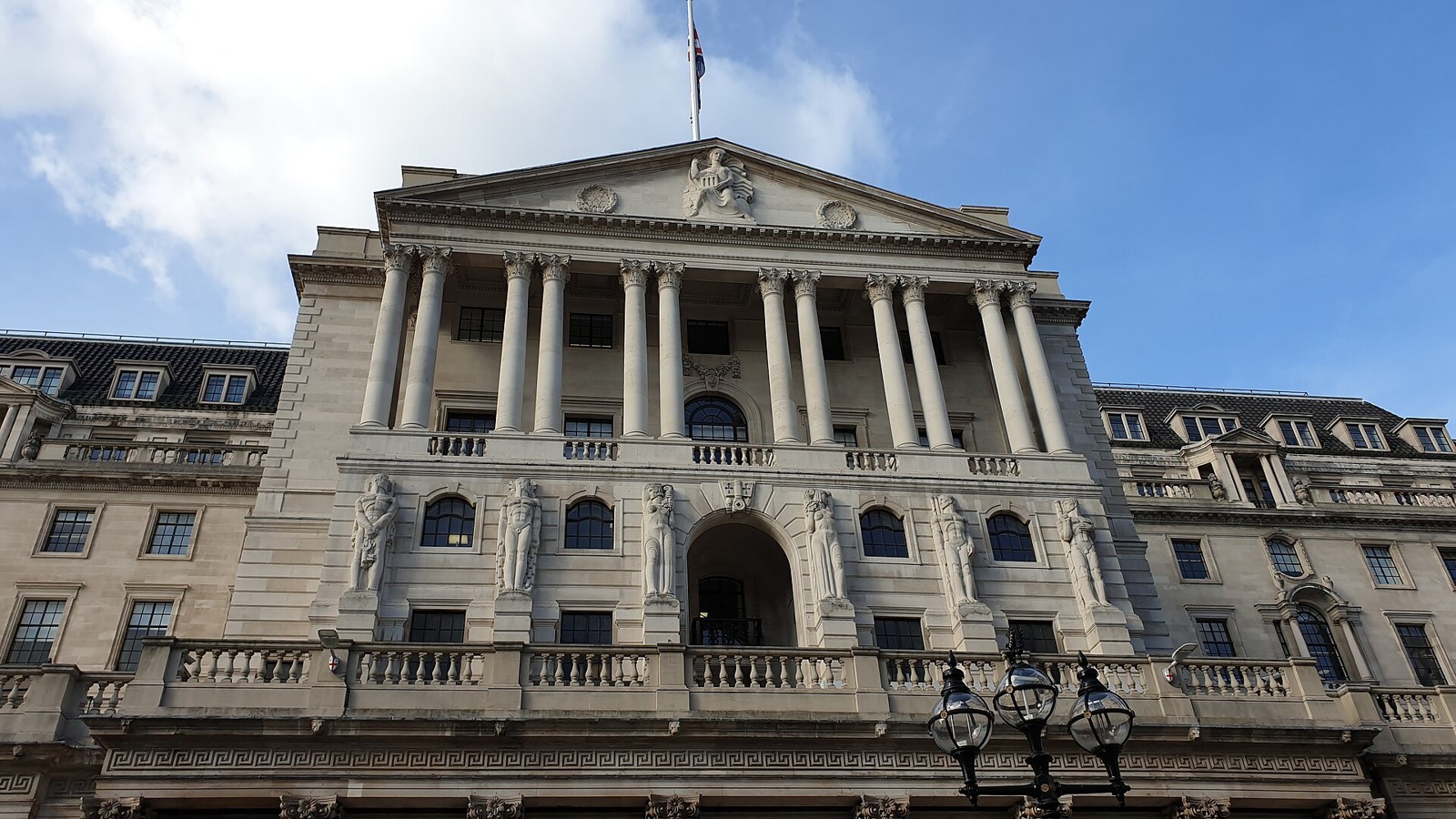
Bank of England chief economist Huw Pill says further interest-rate increases are likely to be needed in December and early 2027 to control inflation. His comments express a policymaker's assessment, not a decision by the full Monetary Policy Committee. The bank raised its rate from 3.75% to 4% earlier this month, and its next scheduled decision is on 17 December.
Pill described the recent quarter-point rise as an important step but said monetary policy had further to go. He expects evidence that will justify additional increases and says the bank must return inflation to its 2% target over time. He also argued that the bank had waited too long to respond, indicating that he was inclined towards another quarter-point increase in December.
The concern is that high oil and gas prices associated with the Iran war will push inflation towards 5% next spring and then feed into wages and other prices. Pill expects substantial public- and private-sector pay demands and worries about such second-round effects. At the same time, the bank has not yet seen clear evidence of the anticipated wage increases or of firms passing all higher costs to consumers. His warning concerns a risk he expects to develop, not an already measured universal wage-price spiral.
Financial markets expect the policy rate to approach 5% in 2027. Pill did not regard that pricing as unreasonable and suggested that there was less scope for only modest increases. Market expectations can change, however, and are neither a guaranteed future rate nor a promise from the bank. Pill also considered an early end to the Iran conflict and an associated energy-price fall unlikely.
The economic picture is contested. Growth of 0.7% in the third quarter has supported the view that demand is more resilient, but higher borrowing costs could weaken manufacturing, construction and household spending. Construction has contracted for much of the year. Some analysts see December tightening as increasingly likely, while others are concerned about the cost to already pressured sectors.
The consequences would extend to roughly 2.3 million homeowners expected to refinance next year. Household budgets could also face an energy price cap approaching£2,000 for a typical home and average council-tax increases close to 5%, both still outlooks rather than identical bills for every household. Further rate decisions will depend on the committee's assessment of inflation, pay, demand and the risks of acting too little or too strongly.