Split US Senate delegations to at least double after midterms, reversing polarisation trend
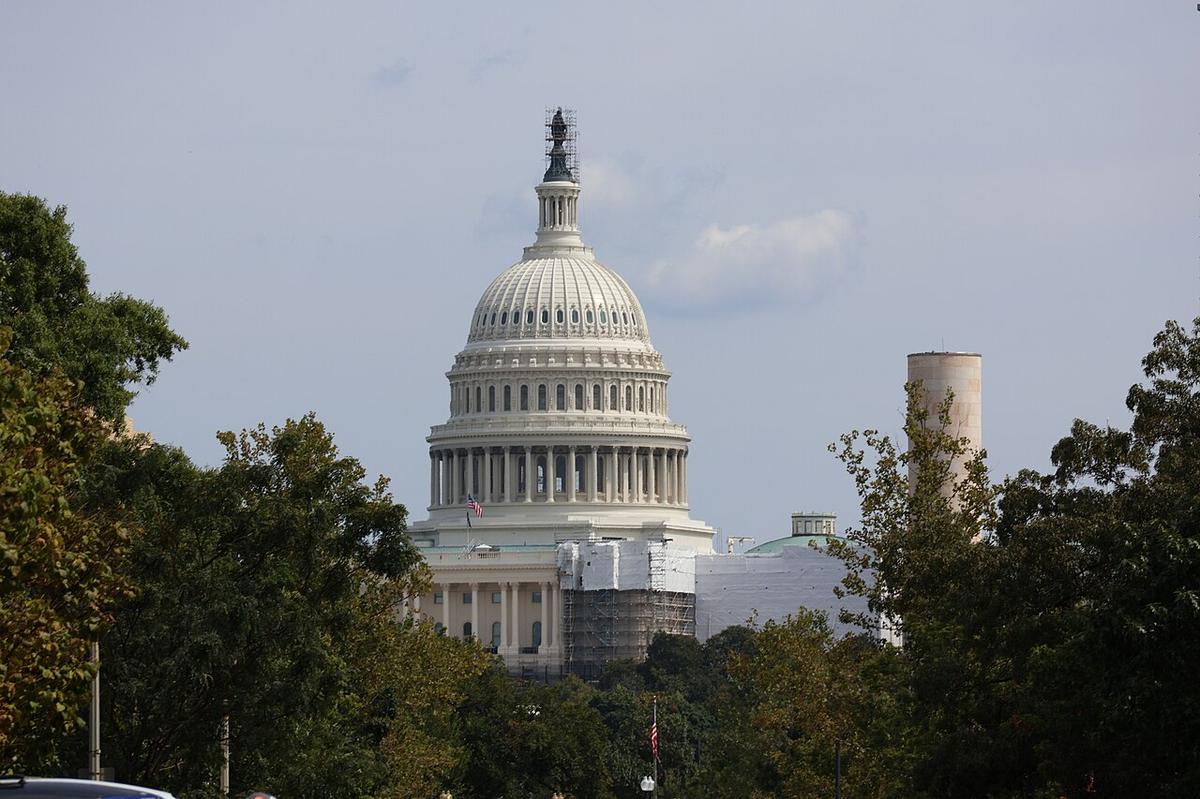
The number of US states represented in the Senate by lawmakers from more than one party is set to at least double when the new Congress convenes in January, reversing a long trend of political polarisation on Capitol Hill.
Heading into the midterm election, only four states had split Senate delegations, the fewest since nationwide direct election of senators began in 1914. From January there will be at least ten, and as many as twelve if Democratic candidates prevail in the unresolved races in Mississippi and Alaska.
The split delegations will include Vermont, where Senator Bernie Sanders sits as an independent who caucuses with the Democrats, and Maine, where Democrat Troy Jackson will join independent Senator Angus King, who also sides with the Democrats on procedural matters.
The most striking shift came in Kansas, which elected a Democrat to the US Senate for the first time since the Great Depression, ending a 94-year streak. Senator-elect Adam Hamilton will be only the fourth Democrat to represent Kansas in the Senate since it became a state in 1861. He campaigned on working across party lines, arguing the state would be better served by senators from both parties.
Elsewhere, Texas and Mississippi last elected Democratic senators in the 1980s, while New Jersey has not elected a Republican senator since 1972. Analysts say the changing map is a reminder that American politics remains more elastic than it often appears.