Budget speech distinguishes vehicle imports from new letters of credit
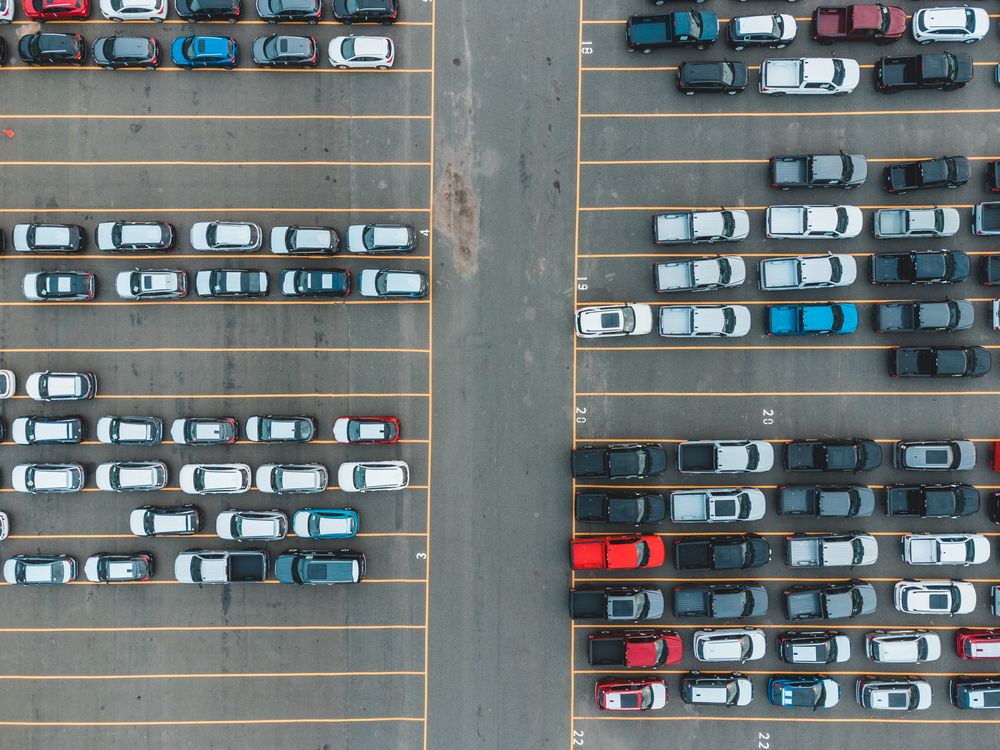
Illustrative parked vehicles, not a Sri Lankan import terminal or a photograph of the reported imports.
November 13 update: vehicle allowances are not an import-tax cut
The Budget's vehicle measures do not announce a new general reduction in car, SUV or motorcycle import duties or excise taxes. Vehicle Importers' Association vice-president Arosha Rodrigo said importers had expected concessions but none were announced, so the association did not expect a Budget-driven price fall under the prevailing tax structure. That is the association's assessment, not a guarantee of a particular dealer's future price.
Separate proposals concern eligible public officers who use private vehicles for official duties. The executive-officer transport allowance would rise from Rs50,000 to Rs100,000 monthly, while the allowance for eligible officers using fully electric private vehicles would increase by 150% from July 2027. These are proposed duty-related allowances, not a subsidy for every private car owner and not a reduction in vehicle import tax.
The Budget also sets out Rs700 million for digital vehicle registration and ownership transfers, Rs1.5 billion for a digital driver-demerit and road-safety enforcement system linking motor-traffic authorities and police, and Rs600 million for moving the Department of Motor Traffic to Werahera. Allocations and proposed systems do not establish that the services are already operational. Buyers should not infer a new tax concession from these administrative projects.
Earlier reporting retained for context
Sri Lanka imported vehicles worth US$1.6 billion in 2025, while letters of credit worth US$1.5 billion had been opened for vehicle imports so far in 2026, the President said in the 2027 Budget speech. Published reporting indicates those figures, which also appear in the published report's live account of the speech. The two figures measure different stages of trade and should not both be described as vehicles already delivered.
A letter of credit is a trade-finance commitment rather than confirmation that the associated vehicle has cleared Customs or reached its buyer. The reports do not give a final count of vehicles delivered, the number of individual importers or a new import-tax schedule. No change to a buyer's particular vehicle price can be inferred from these totals alone.
The President said vehicle imports over the two-year period exceeded US$3 billion and that an additional US$2 billion in fuel-import costs brought the extra foreign-exchange spending above US$5 billion. That is his account of import-related expenditure. It should not be relabelled as a new US$5 billion sovereign loan or added automatically to the public-debt stock.
The published report also reports the President saying that foreign-exchange reserves remained above US$7 billion despite those pressures. That remains an attributed statement from the speech, not an independently reconciled reserve account or a guarantee that import demand has no effect on the balance of payments.