WA mother-of-pearl bone graft gains US clearance, with commercial steps still ahead
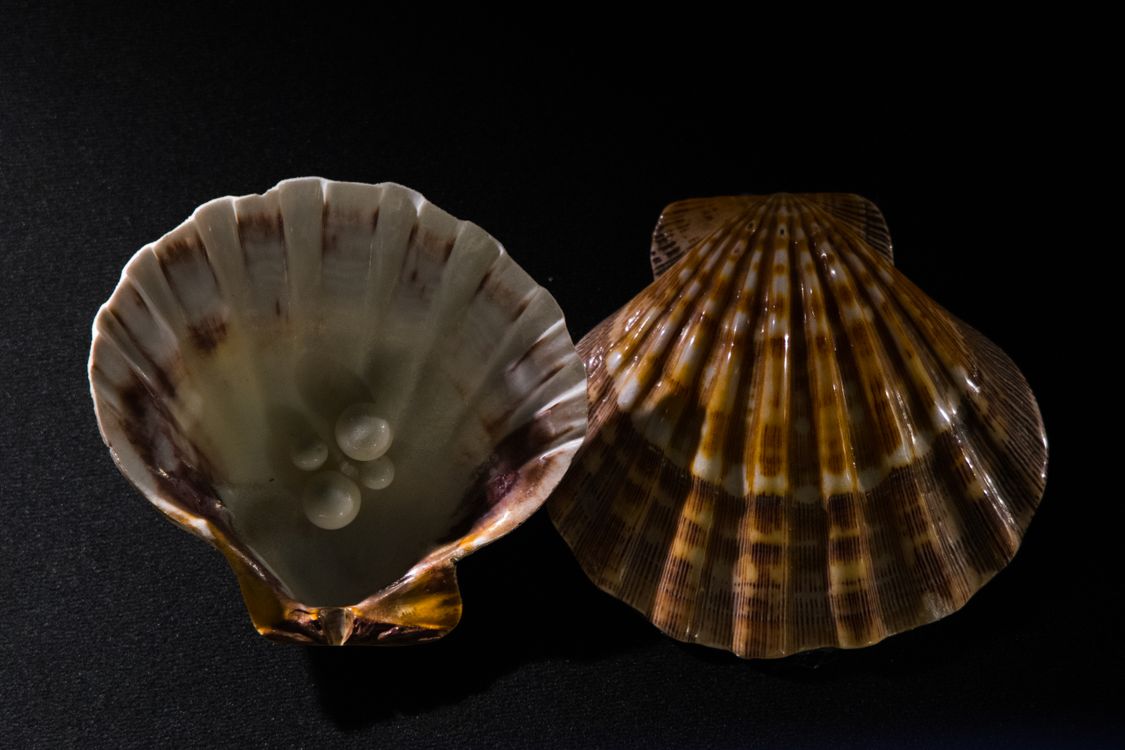
Illustrative decorative shells and pearls, not PearlBone, its source oysters or a medical device.
A Western Australian biotechnology venture has gained US Food and Drug Administration clearance for PearlBone, a bone-graft substitute made from nacre, the material commonly called mother-of-pearl. The milestone opens a regulatory path into the world's largest orthopaedic market, but does not mean the product is already being sold or used in patients.
Marine Biomedical chief executive Rolee Kumar described the clearance as a first important step, with further hurdles before sales. She said the nacre-derived material contains components that are also building blocks of bone and that studies had shown it could help bone healing and regeneration. The company described PearlBone as the first bone-repair substitute of its kind made from nacre.
Kumar said the regulatory process compared PearlBone with an established bone graft already on the market, and the company demonstrated comparable safety and effectiveness to that predicate device. The US bone-graft and substitute sector was valued in the report at US$1.1 billion, or about A$1.5 billion. The company also hopes eventually to sell in Australia and investigate uses such as dental treatment.
Marine Biomedical was established in 2021 by combining Broome pearling business Willie Creek Pearls with research expertise from the University of Western Australia. A manufacturing facility was built in Broome in 2022. Shells from the pearl farm are cleaned and prepared before being sent there.
Willie Creek chief executive Paul Birch said the project showed the pearling industry new possibilities beyond jewellery, ornament and buttons. Further research might identify other biomedical uses for parts of an oyster. The farm has enough shell for present requirements, he said, although rising demand could eventually create an opportunity for the broader pearling industry to supply material.
UWA biomedical and health-innovation director Kevin Pfleger called the clearance an encouraging achievement for WA research. He said Australian innovations often enter the larger US market first because Australia's smaller population can make an initial local rollout less commercially viable. Actual sales, use by surgeons and benefits for patients remain the next steps, he said, while regulatory clearance is an essential foundation.
Illustrative decorative shells and pearls, not PearlBone, its source oysters or a medical device.