Home goods brand quintuples to $200,000 a month by giving Amazon's ad algorithm more leeway
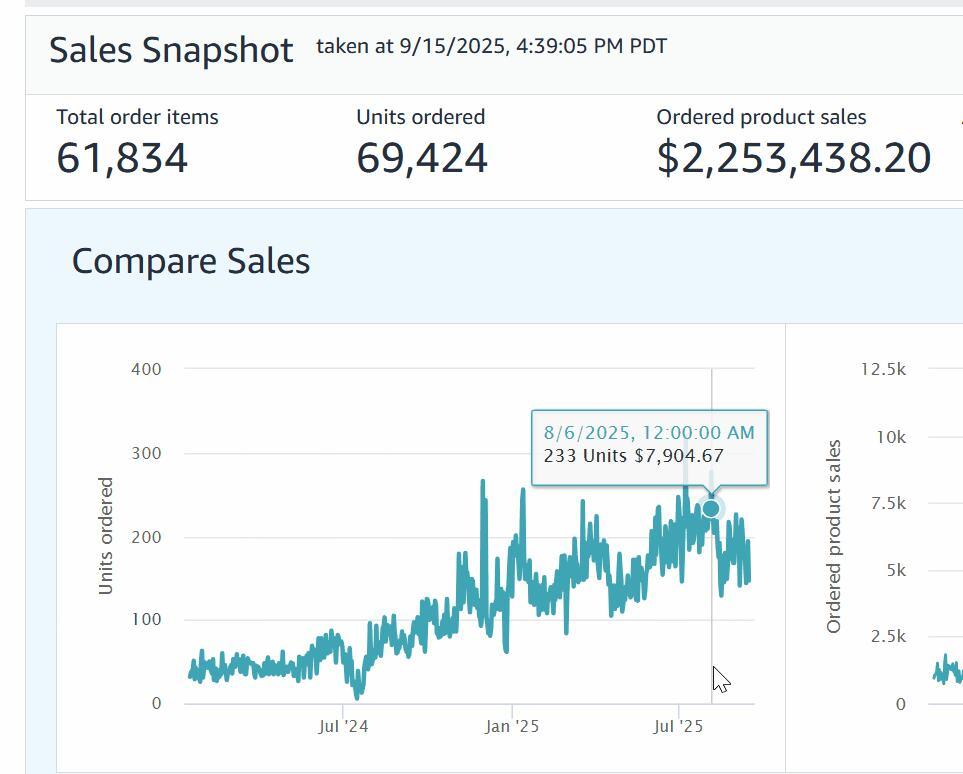
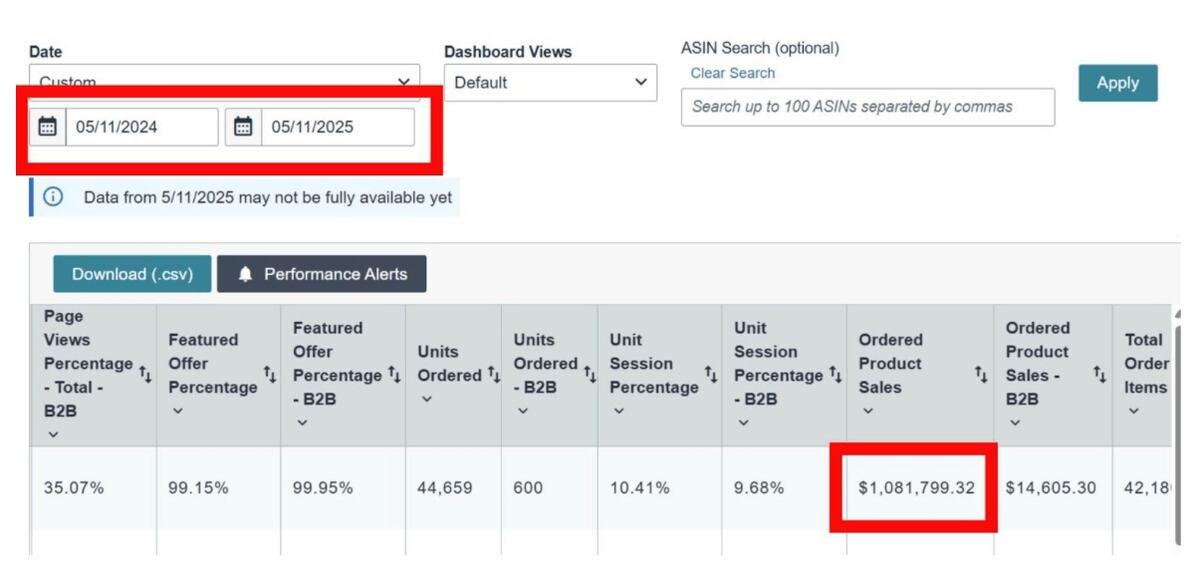
A home goods brand grew from 40,000 to 200,000 dollars a month in revenue between May 2024 and August 2025, a fivefold jump in 16 months, driven by a small set of Amazon PPC strategies that run counter to older instincts.
The first move was shifting spend toward targeting that grants Amazon more leeway instead of less: broad targeting, broad-modified targeting and expanded ASIN targeting. The pattern is consistent with a wider 2025 trend in which ads perform better when advertisers stop trying to control every variable.
Second, the team leaned on product-targeting campaigns aimed at high-volume competitors with weaker offerings, producing a steady stream of low-ACoS sales. Within Sponsored Products and Sponsored Brands alike, product targeting is performing better than ever this year, though target selection matters more than anything.
Third, after noticing auto campaigns performing well, the team tested multiple auto campaigns at different bids until they found the golden bid where performance peaks. Auto campaigns can be a seller's best performers in 2025, but they are highly bid-sensitive: scaling them requires finding the right bid by testing, after which the campaign can run profitably for a long time.
Those strategies, plus only about half a dozen others, generated the profitable sales flow the brand needed to scale. The backdrop is a fast-changing ad platform: Amazon PPC changed more in 2025 than in the previous three years combined, with more than a dozen significant new capabilities added this year alone, some of them reshaping what a profitable campaign structure looks like. Sellers who ignore the new options, the warning goes, are effectively competing against rivals already using them.
The case has become a reference point in seller training circles for a broader lesson: scale comes from a short list of well-matched strategies executed well, not from working every lever in the console.