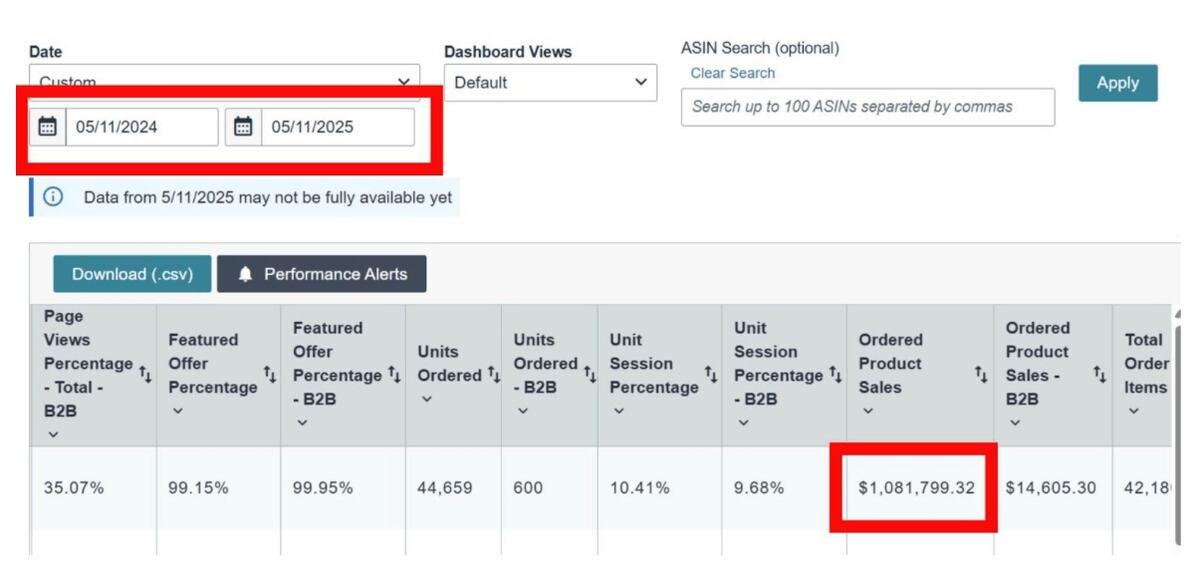
How a PPC 'data loop' took a brand from $5K loss to $9K profit in a month
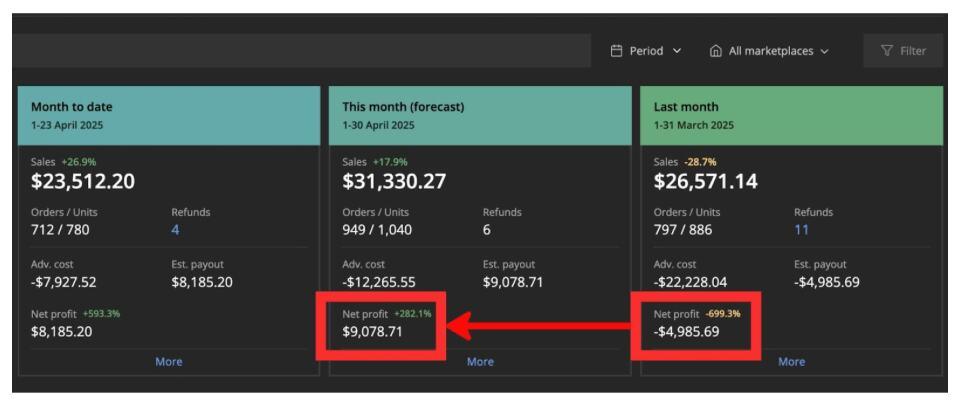
A case study circulating in seller circles shows an Amazon brand selling coffee energy chews, a consumable with very high click costs, swing from a $5,000 net loss one month to a $9,000 profit the next, purely through changes to pay-per-click structure.
The method is what practitioners call a PPC data loop: using ad campaigns not just to drive sales but as the primary source of data for growing profit margins. The protocol continuously mines campaign data to identify which buyer intent groups see ads but do not click, clicking but not buying, or completing the full journey, then applies those insights to ads, product images, thumbnails and every other asset so each segment gets optimized creative.
Advocates say the biggest Amazon brand growth stories, names like Zesty Paws, Anker and Puracy, all had such loops installed. The approach also aligns with Amazon's current algorithm direction of giving campaigns more leeway on placement. For sellers squeezed by tariffs, the message is that profitability often comes from feedback discipline rather than bigger budgets.