AI road-camera findings prompt fresh calls to tackle unsafe driving
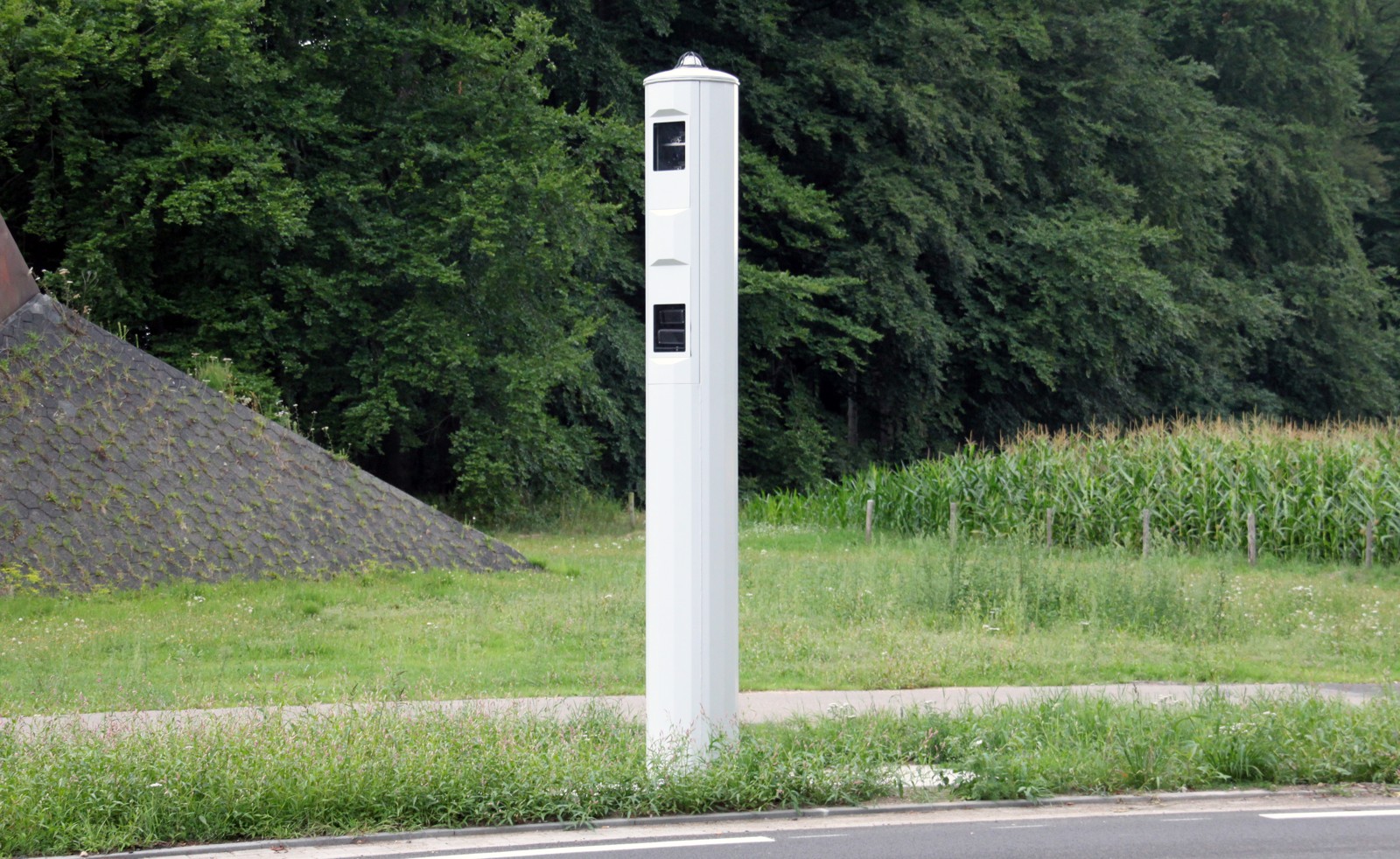
A West Midlands trial that flagged nearly 19,000 possible seatbelt and mobile-phone offences in two weeks has prompted renewed calls to use artificial intelligence in road safety. Road safety commissioner Mat MacDonald said the images exposed widespread risky behaviour, including a child travelling unrestrained on a front passenger's lap.
The two-week deployment took place in March, not this weekend. Cameras were positioned outside Ladywood fire station in Birmingham and Fallings Park fire station in Wolverhampton. The combined authority published the initial results on 12 October; the current discussion concerns what should happen next.
Ladywood recorded 11,045 potential seatbelt offences and 1,163 possible mobile-phone offences. Fallings Park recorded 6,030 and 757 respectively. The technology was supplied by AECOM/Acusensus, and human operators checked its accuracy against a sample of 8,024 images. These are potential offences detected in images, not a count of convictions.
The trial was funded by the West Midlands Combined Authority with police and fire-service involvement. No follow-up enforcement was planned from this exercise, which was designed to establish the scale of the problem. Wider operational deployment remains under discussion rather than an approved new enforcement programme.
Coventry University transport-safety specialist Christophe Bastien said the cameras could offer an objective measure of behaviour and help target intervention. He also stressed that AI was not perfect and should support police judgement rather than replace it. MacDonald said the aim was safer behaviour, ultimately reducing the number of camera activations and fines to zero.